


- Home/
- 7 Steps To Prepare Your Home And Health For Peak Pollution Season
7 Steps To Prepare Your Home And Health For Peak Pollution Season
Written by Dr Sandeep Nayar | Updated: October 26, 2026 18:41 IST
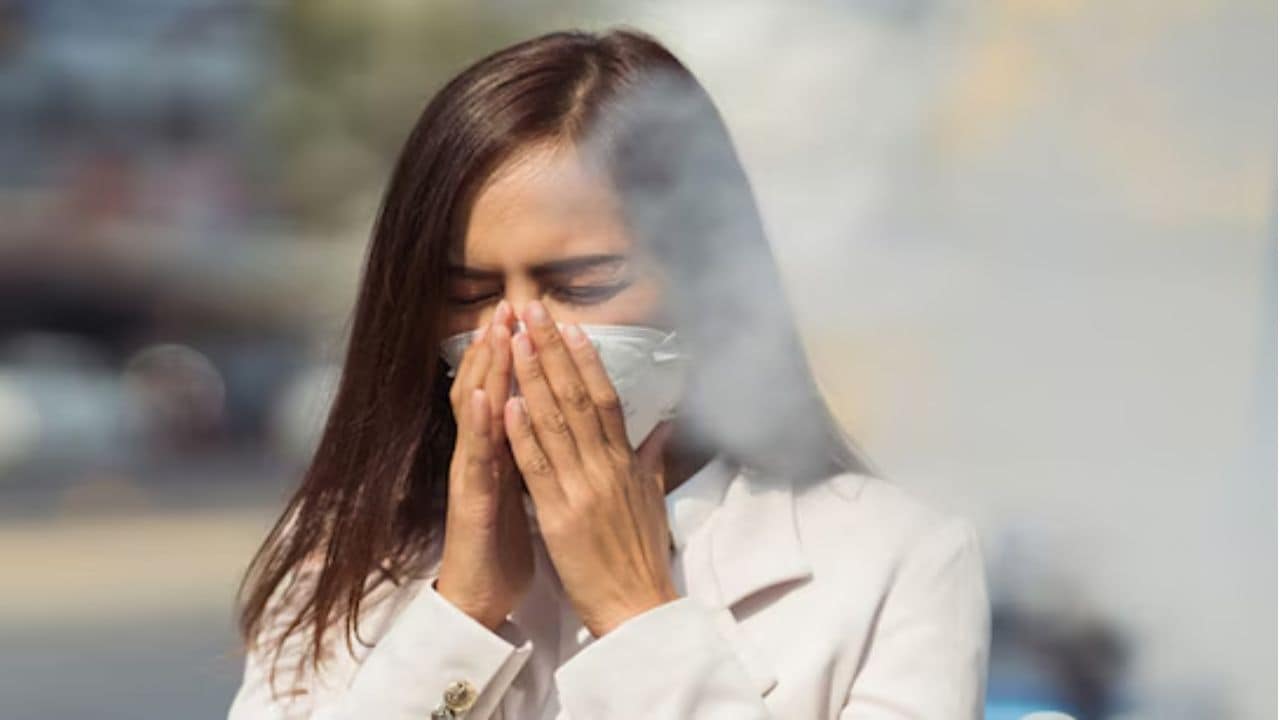
Patients with known airway hyperresponsiveness should see their pulmonologist
Highlights
- Air quality in Delhi worsens during the festive season and cold weather each year
- PM2.5 particles can cause severe respiratory and cardiovascular health issues
- Use True HEPA filters and avoid ozone-generating ionisers indoors for cleaner air
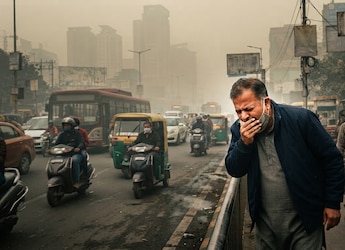
As the festive season approaches and temperatures drop, air quality in the National Capital Region deteriorates. Several measures and restrictions have already been deployed in Delhi to control air pollution before it usually peaks. Every year, severe air pollution leads to various health issues, particularly affecting vulnerable populations. PM2.5, which consists of combustion particles smaller than 2.5 microns, can bypass the nasal barrier, settle deep in the lung alveoli, and enter the bloodstream. Prolonged exposure can trigger acute asthma attacks, worsen chronic obstructive pulmonary disease (COPD), and accelerate systemic cardiovascular inflammation. Therefore, it is crucial to take early, evidence-based actions to protect both home and respiratory health.
How to safeguard your health before and during peak pollution season
1. Trap and filter effectively
Indoor air can become 2 to 5 times more polluted than outdoor air without proper management. Use a True HEPA filter (H13 or H14 grade), which traps 99.97% of airborne particles down to 0.3 microns. Ensure the device's Clean Air Delivery Rate (CADR) matches the room volume, and avoid ozone-generating ionisers that irritate reactive airways.
2. Eliminate domestic emissions
A single burning mosquito coil can emit particulate matter equivalent to approximately 75-100 cigarettes; incense sticks (agarbattis) produce similar volatile organic compounds (VOCs). Switch to electrical repellents, run kitchen exhausts during cooking, and use damp microfiber mops instead of dry brooms to prevent settled dust from aerosolising.
READ | GRAP-1 Imposed In Delhi: What This Means, Especially For Your Lungs
3. Verify maintenance inhalers
Patients with known airway hyperresponsiveness should see their pulmonologist for an updated written action plan before AQI reaches "Severe" thresholds. Never stop corticosteroid controller inhalers abruptly, and keep short-acting bronchodilator rescue inhalers on hand.
4. Deploy tested filtration
Standard cloth or surgical masks provide zero defence against fine particulates. Use tightly fitted, unvalved N95 or FFP2 respirators, which filter out at least 94% to 95% of airborne particles.
READ | N95 vs Cloth Masks: Which One Works Better Against Winter Air Pollution?
5. Preserve mucociliary clearance
Dry, inflamed respiratory lining weakens defence mechanisms. Drink 2-3 litres of warm water daily to thin mucus secretions, and use saline nasal sprays to rinse trapped surface pollutants.
6. Strategic exposure reduction
Avoid outdoor endurance exercises during early mornings and late evenings, when ambient pollution peaks. Heavy exertion increases minute ventilation, forcing large volumes of unfiltered air deep into lung tissue. Restrict outdoor activity to sunny midday hours when solar heating disperses the ground-level smog layer.
7. Hydrate well
Drink ample amounts of water, coconut water, or fresh juices daily. Keeping your mucous membranes properly hydrated allows your respiratory tract to catch, dissolve, and flush out inhaled toxins much more efficiently.
When air quality worsens, it's crucial to prioritise health. By implementing effective strategies such as improving indoor air quality, monitoring pollution levels, and adopting a proactive approach to personal health, you can mitigate the impacts of poor air conditions.
(Dr. Sandeep Nayar, Principal Director & HOD - Chest & Respiratory Diseases, BLK - Max Super Speciality Hospital)
\r\n
\r\n
Disclaimer: The opinions expressed within this article are the personal opinions of the author. NDTV is not responsible for the accuracy, completeness, suitability, or validity of any information on this article. All information is provided on an as-is basis. The information, facts or opinions appearing in the article do not reflect the views of NDTV and NDTV does not assume any responsibility or liability for the same.
Published: October 26, 2026 18:34 IST
also read
Delhi Air Pollution: Is There A 'Safer' Time To Step Outdoors? Here's What You Should Know
Written by Debosmita GhoshPost-Diwali Smog Got Your Throat Irritated? Nutritionist Shares 4 Soothing Drinks To Try
Written by NDTV Health DeskFrom Black To Pink: Can Your Lungs Recover From The Damage Caused By Air Pollution?
Written by Sambhav Kumar
 Written by Debosmita Ghosh | Wednesday November 11, 2026
Recent AQI data has also shown how pollution can change between night, early morning and daytime hours. In Delhi, pollution increased after sunset and in the early hours following Diwali, while levels fell later in the morning.
- Written by NDTV Health Desk | Wednesday November 11, 2026
From tulsi ginger kadha to ABC juice, nutritionist Lovneet Batra shares four easy drink recipes that may help soothe throat irritation during the pollution season.
- Edited by Aakanksha Singh | Wednesday November 11, 2026
Air Pollution: Students may attend in person or join classes online where schools can provide the facility, while campuses remain open.
- Written by Sambhav Kumar | Wednesday November 11, 2026
The idea of lungs turning from black to pink is more of a metaphor than a medically established recovery process. The lungs have natural repair mechanisms, and some pollution-related inflammation, irritation and temporary loss of function can improve when exposure decreases.
- Delhi AQI: Is Toxic Air Making You Tired? Impact Of Air Pollution On Energy, Sleep And ConcentrationWritten by Debosmita Ghosh | Wednesday November 11, 2026
Fine particles such as PM2.5 can enter deep into the lungs and lead to inflammation and oxidative stress in the body. Prolonged exposure may also affect the cardiovascular system and overall physical health.

................................ Advertisement ................................


Opinion | Delhi Has Every Pollution Control Policy - Except One That Works
Monday November 09, 2026Every November, Delhi performs the same ritual. We check the AQI before stepping outdoors, children are kept indoors, masks reappear, schools consider shutting, construction is restricted, and emergency meetings are convened. Politicians blame the weather, neighbouring states, farmers, or firecrackers. And then, as the season changes, the urgency d...
दीवाली की चौखट पर दिल्ली में सांसों का संकट: 30 साल की स्टडी ने हरियाली को लेकर क्या बताया?
Thursday November 05, 2026अध्ययन में हरियाली की मात्रा के साथ उसके फैलाव और आपसी जुड़ाव को भी महत्वपूर्ण पाया गया. जिन इलाकों में हरियाली ज्यादा बिखरी हुई थी, वहां सतही तापमान अधिक रहा. इसके विपरीत, बड़े और आपस में जुड़े हरित क्षेत्रों में तापमान कम पाया गया.
Opinion: Why Delhi's Smog Can't Be Fixed From SpaceDavid Fickling, Bloomberg
Monday October 19, 2026The clearest sign that Delhi is on a path to cleaner air would be a decline in the amount of paddy grown nearby, and therefore the acreage liable to be burned each year.
Don't Normalise Air Purifiers As Delhi Chokes | The Reason Why
Thursday December 11, 2025More than 90 cities in the world's top 100 polluting list are in India. With every passing year, the AQI is rising, reaching 'hazardous' levels.
Blog | Well Done, Delhi. You've Turned Lung Sacrifice Into A Badge Of HonourSaikat Kumar Bose
Monday November 10, 2025Till some years back, Delhiites would ask angry questions to those in power about the capitals annual tryst with toxic air. This has changed. Those in the driving seat dont see the need to answer now.



