- Home/
- Delhi Air Pollution: Is There A 'Safer' Time To Step Outdoors? Here's What You Should Know
 Written by Debosmita Ghosh | Wednesday November 11, 2026
Recent AQI data has also shown how pollution can change between night, early morning and daytime hours. In Delhi, pollution increased after sunset and in the early hours following Diwali, while levels fell later in the morning.
- Edited by Aakanksha Singh | Wednesday November 11, 2026
Air Pollution: Students may attend in person or join classes online where schools can provide the facility, while campuses remain open.
- Written by Sambhav Kumar | Wednesday November 11, 2026
The idea of lungs turning from black to pink is more of a metaphor than a medically established recovery process. The lungs have natural repair mechanisms, and some pollution-related inflammation, irritation and temporary loss of function can improve when exposure decreases.
- Delhi AQI: Is Toxic Air Making You Tired? Impact Of Air Pollution On Energy, Sleep And ConcentrationWritten by Debosmita Ghosh | Wednesday November 11, 2026
Fine particles such as PM2.5 can enter deep into the lungs and lead to inflammation and oxidative stress in the body. Prolonged exposure may also affect the cardiovascular system and overall physical health.
- Written by Niharika Raj | Wednesday November 11, 2026
A Pakistani air quality body has found no evidence linking Lahore's post-Diwali smog to fireworks in India, pointing instead to thousands of crop-residue fires in Pakistan's own Punjab.

................................ Advertisement ................................
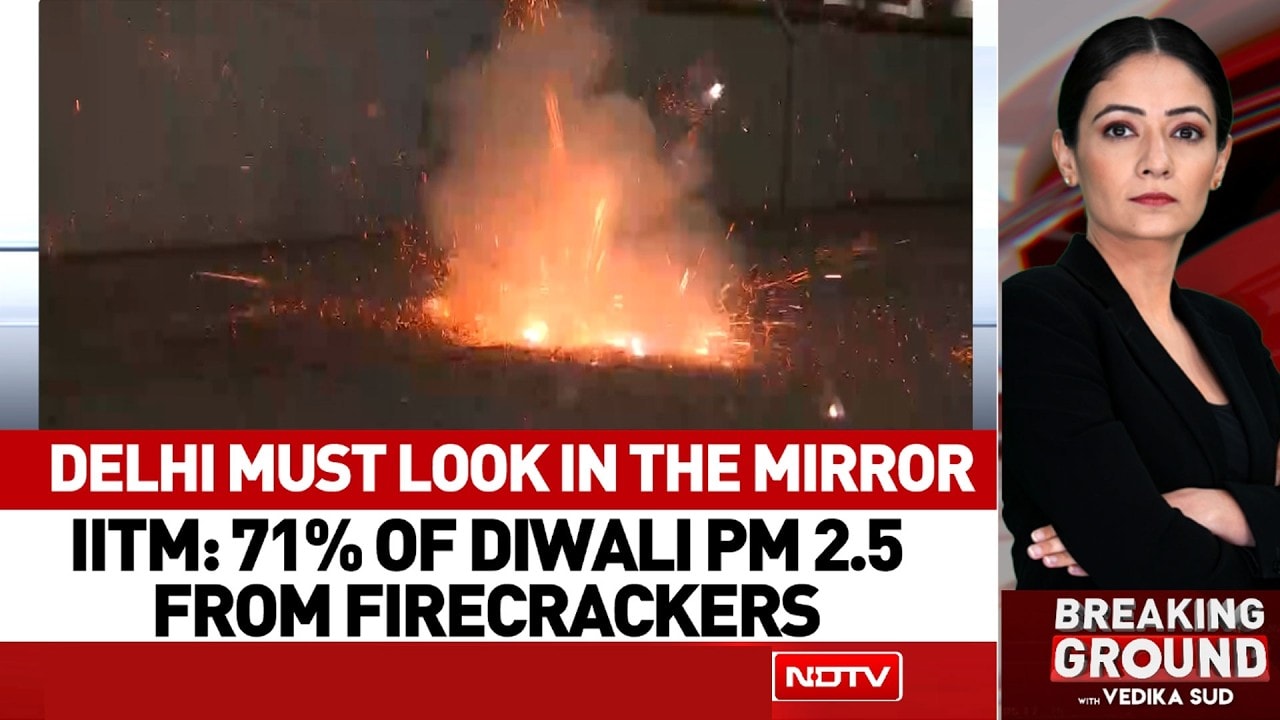


Opinion | Delhi Has Every Pollution Control Policy - Except One That Works
Monday November 09, 2026Every November, Delhi performs the same ritual. We check the AQI before stepping outdoors, children are kept indoors, masks reappear, schools consider shutting, construction is restricted, and emergency meetings are convened. Politicians blame the weather, neighbouring states, farmers, or firecrackers. And then, as the season changes, the urgency d...
दीवाली की चौखट पर दिल्ली में सांसों का संकट: 30 साल की स्टडी ने हरियाली को लेकर क्या बताया?
Thursday November 05, 2026अध्ययन में हरियाली की मात्रा के साथ उसके फैलाव और आपसी जुड़ाव को भी महत्वपूर्ण पाया गया. जिन इलाकों में हरियाली ज्यादा बिखरी हुई थी, वहां सतही तापमान अधिक रहा. इसके विपरीत, बड़े और आपस में जुड़े हरित क्षेत्रों में तापमान कम पाया गया.
Opinion: Why Delhi's Smog Can't Be Fixed From SpaceDavid Fickling, Bloomberg
Monday October 19, 2026The clearest sign that Delhi is on a path to cleaner air would be a decline in the amount of paddy grown nearby, and therefore the acreage liable to be burned each year.
Don't Normalise Air Purifiers As Delhi Chokes | The Reason Why
Thursday December 11, 2025More than 90 cities in the world's top 100 polluting list are in India. With every passing year, the AQI is rising, reaching 'hazardous' levels.
Blog | Well Done, Delhi. You've Turned Lung Sacrifice Into A Badge Of HonourSaikat Kumar Bose
Monday November 10, 2025Till some years back, Delhiites would ask angry questions to those in power about the capitals annual tryst with toxic air. This has changed. Those in the driving seat dont see the need to answer now.