


- Home/
- From Black To Pink: Can Your Lungs Recover From The Damage Caused By Air Pollution?
From Black To Pink: Can Your Lungs Recover From The Damage Caused By Air Pollution?
Written by Sambhav Kumar | Updated: November 11, 2026 18:14 IST
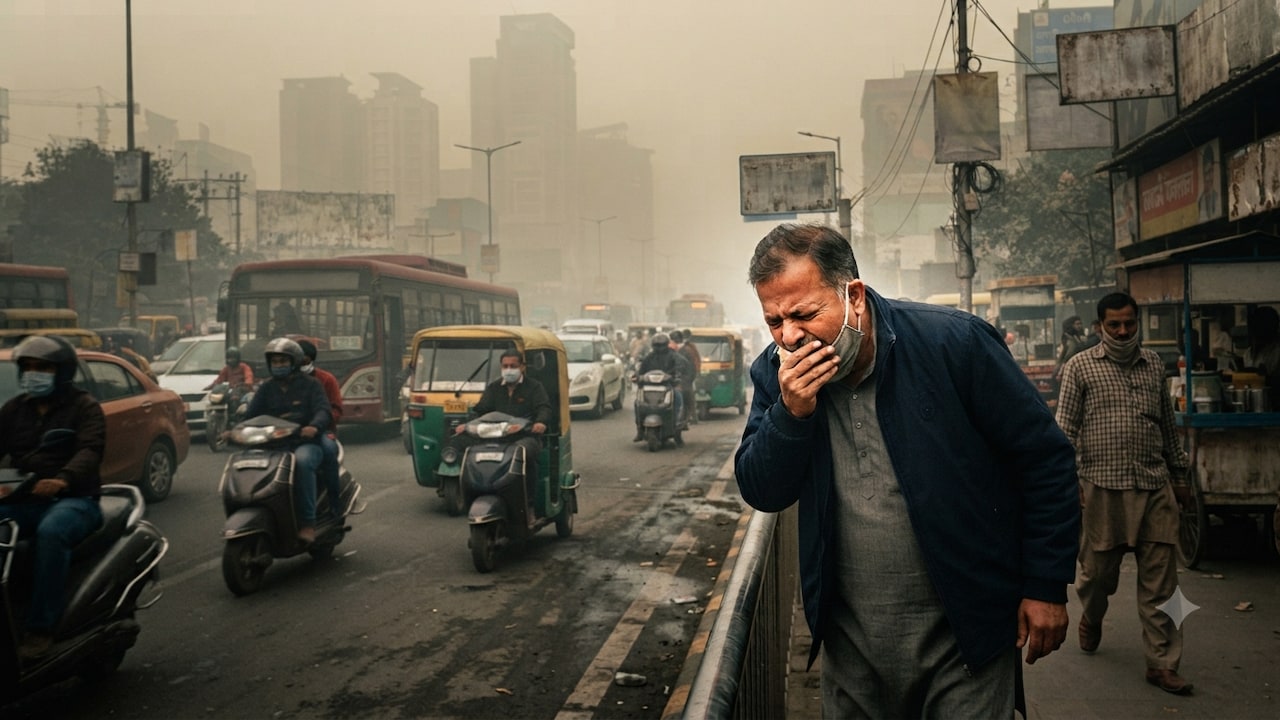
The idea of lungs turning from black to pink is more of a metaphor
Highlights
- Air pollution causes inflammation, oxidative stress, and damage to lung tissues over time
- Lungs have natural repair mechanisms but recovery depends on exposure duration and damage extent
- Permanent damage like fibrosis and alveoli destruction cannot be fully reversed
As air pollution continues to worsen across Delhi-NCR, concerns about its long-term impact on respiratory health are growing. From persistent coughing and breathlessness to reduced lung function, prolonged exposure to polluted air can affect the respiratory system in several ways. One question that often comes up is whether lungs that have been exposed to years of pollution can recover their natural pink appearance and healthy functioning. The term 'pink lungs' is generally used to describe healthy lung tissue, while dark or blackened lungs are sometimes associated with prolonged exposure to pollutants, tobacco smoke and other harmful particles. However, lung colour alone is not a reliable indicator of respiratory health. The human lungs have natural defence and repair mechanisms, which allow them to recover from certain types of inflammation and injury. But does this mean years of pollution-related damage can be reversed? According to Dr Rahul Sharma, Director, Pulmonology and Critical Care, Fortis Hospital, Greater Noida, the extent of recovery depends on how long a person has been exposed to pollution and whether permanent tissue damage has occurred.
"The lungs have natural defence and repair mechanisms, and some pollution-related inflammation can improve when exposure is reduced. However, the extent of recovery depends on the duration of exposure and whether permanent tissue damage has occurred. Reducing pollution exposure, avoiding smoking and seeking timely medical care are essential to preserving lung health," he says.
Dr Arjun Khanna, Head, Pulmonology Department, Amrita Hospital, Faridabad, also cautions against viewing lung recovery as a simple change in colour. "The idea that damaged lungs can simply turn from black to pink is medically misleading. Our lungs are not filters that can be washed clean after years of pollution exposure. Some damage can improve, but some may leave a permanent mark," he explains.
He adds that breathing polluted air exposes people to tiny particles that travel deep into the lungs, causing inflammation, oxidative stress and damage to delicate lung tissues. Over the years, these changes can lead to reduced lung function, chronic respiratory disease and, in some cases, permanent scarring.
What Happens To Your Lungs When You Breathe Polluted Air?
The respiratory system is designed to filter and remove many harmful substances from the air we breathe. However, prolonged exposure to high concentrations of pollutants can overwhelm these natural defence mechanisms. Fine particulate matter, particularly PM2.5, is a major concern because these particles are small enough to penetrate deep into the respiratory tract and reach the tiny air sacs called alveoli. Once inhaled, these particles can trigger several biological responses.
1. Inflammation Of The Airways
Pollutants irritate the respiratory lining and activate inflammatory responses. This can cause swelling of the airways, increased mucus production and symptoms such as coughing, wheezing and chest tightness. People with asthma and COPD may experience worsening symptoms during periods of high pollution.
2. Oxidative Stress And Cellular Damage
Pollutants can generate reactive oxygen species, unstable molecules that can damage cells when the body's antioxidant defences cannot adequately neutralise them. This process, known as oxidative stress, can affect lung cells and contribute to ongoing inflammation and tissue injury.
READ | Delhi AQI: Is Toxic Air Making You Tired? Impact Of Air Pollution On Energy, Sleep And Concentration
3. Damage To The Alveoli
The alveoli are tiny air sacs where oxygen enters the bloodstream and carbon dioxide is removed. Prolonged exposure to harmful pollutants can affect these delicate structures and interfere with normal lung function. In certain chronic respiratory conditions, damage to the alveoli can become irreversible, reducing the lungs' ability to transfer oxygen efficiently.
4. Scarring And Reduced Lung Function
Repeated or persistent inflammation can contribute to structural changes in lung tissue. In some individuals, this may lead to fibrosis, a process in which scar tissue develops in the lungs. Unlike temporary inflammation, established scarring generally cannot be reversed. This is why reducing exposure and identifying respiratory problems early are important.
Can Your Lungs Actually Recover From Pollution Damage?
The answer is yes, to some extent. However, recovery depends on the nature of the damage, how long the person has been exposed to pollutants and whether the lung tissue has developed irreversible changes. The lungs have several natural defence mechanisms that help protect them from inhaled pollutants.
One of these is the mucociliary clearance system, which consists of tiny hair-like structures called cilia lining the airways. These structures move mucus, along with trapped dust and other particles, towards the throat, where it can be coughed out or swallowed. When exposure to pollution decreases, some inflammation and irritation can gradually settle. The airways may also regain some of their normal functioning. According to the US Environmental Protection Agency (EPA),respiratory effects caused by short-term particle pollution exposure can improve after exposure ends, although recovery may take several days depending on the intensity of exposure.
However, the situation is different when prolonged exposure has caused structural damage.
What Kind Of Lung Damage Can Be Reversed?
- Airway irritation: Temporary irritation, coughing and inflammation may improve when exposure to pollutants decreases.
- Excess mucus production: Mucus-related symptoms may settle as airway inflammation reduces and the lungs' natural clearance mechanisms function more effectively.
- Reduced lung function: Some temporary reductions in lung function associated with acute pollution exposure may improve after exposure decreases.
- Chronic airway damage: Long-standing respiratory conditions may not completely reverse, although treatment and reduced exposure can help manage symptoms.
- Lung scarring: Established fibrosis or permanent damage to the alveoli generally cannot be reversed.
This distinction is important because feeling better after moving away from polluted air does not necessarily mean that all underlying lung damage has healed.
Why Do Some People's Lungs Not Fully Recover?
The ability of the lungs to repair themselves has limitations. Repeated exposure to pollutants over several years can contribute to chronic inflammation and structural changes. Dr Khanna explains that prolonged exposure can damage delicate lung tissues and, in some cases, cause permanent scarring. There are several reasons why recovery may remain incomplete:
1. Long-term exposure: People who have lived in areas with persistently high pollution levels may experience repeated airway inflammation and cumulative respiratory damage.
2. Existing respiratory diseases: Individuals with asthma, COPD or interstitial lung diseases may have reduced respiratory reserve and can experience more serious consequences from additional exposure.
3. Damage to the alveoli: When the delicate air sacs are destroyed, as happens in emphysema, the body cannot simply regenerate them to restore normal lung architecture.
4. Fibrosis: When lung tissue develops significant scarring, it becomes thicker and less elastic, making oxygen exchange more difficult. Established fibrosis is generally permanent.
Does The Black Colour Of Lungs Mean They Are Permanently Damaged?
The idea of lungs turning black because of pollution exposure is often used to communicate the dangers of poor air quality. However, it is important to understand that lung colour is not a reliable measure of respiratory health. The dark pigmentation sometimes observed in lung tissue can be associated with the accumulation of carbon particles, particularly in people exposed to tobacco smoke or occupational dust over long periods.
This is different from saying that everyone's lungs living in a polluted city gradually turn black. In fact, a person's lungs may look relatively normal while they experience reduced lung function or airway inflammation. Conversely, visible pigmentation does not automatically establish the extent of functional damage. Doctors therefore rely on clinical assessment and investigations rather than lung colour to determine respiratory health.
7 Ways To Protect Your Lungs And Support Their Recovery
Although there is no medicine, food or home remedy that can wash pollution particles out of the lungs, reducing further exposure and managing respiratory problems early can help protect lung health. Here are some practical measures:
1. Reduce Exposure To Outdoor Pollution
Check the AQI before stepping outdoors. When pollution levels are high, avoid prolonged outdoor activities, particularly strenuous exercise such as running and cycling. If you need to go outside, consider wearing a well-fitting N95 respirator to reduce exposure to fine particulate matter.
2. Use An Air Purifier Indoors
A properly sized air purifier with a HEPA filter can help reduce airborne particulate matter inside your home. Keep windows and doors closed during severe pollution episodes, while ensuring that indoor pollution sources are also controlled.
3. Avoid Smoking And Second-Hand Smoke
Smoking adds another layer of respiratory damage to the effects of environmental pollution. Quitting smoking helps improve airway clearance and reduces the risk of further lung damage. The body's cilia can begin recovering after smoking cessation, although established damage such as emphysema cannot be reversed.
4. Maintain A Balanced Diet
Include fruits, vegetables, whole grains, nuts and other nutrient-rich foods in your daily diet. A balanced diet provides antioxidants and essential nutrients that support normal cellular functions. However, no particular food or supplement has been proven to reverse pollution-related lung damage.
5. Stay Physically Active
Regular physical activity supports cardiovascular fitness and helps improve exercise capacity. However, avoid outdoor workouts when pollution levels are high. Consider indoor exercise in a well-ventilated, cleaner environment instead. People with existing respiratory conditions should discuss suitable exercise intensity with their doctors.
6. Manage Existing Respiratory Conditions
If you have asthma, COPD or another chronic respiratory condition, follow your prescribed treatment plan. Do not discontinue inhalers or other medications simply because symptoms have improved. Timely treatment can help prevent exacerbations and protect long-term respiratory function.
7. Get Your Lung Function Evaluated
If you experience persistent coughing, wheezing, breathlessness or reduced exercise tolerance, consult a pulmonologist. Depending on your symptoms and medical history, a doctor may recommend:
- Spirometry: Measures how much air you can breathe out and how quickly you can do so.
- Chest X-ray: Helps identify certain lung abnormalities and infections.
- CT scan: Provides more detailed images when structural lung damage or other abnormalities are suspected.
- Oxygen saturation testing: Checks the amount of oxygen carried in your blood.
Not everyone exposed to high AQI needs these tests. The appropriate investigation depends on clinical assessment.
When Should You Consult A Pulmonologist?
Do not ignore persistent respiratory symptoms, particularly if they include:
- Breathlessness during routine activities.
- A cough that does not go away.
- Frequent wheezing or chest tightness.
- Reduced ability to exercise or climb stairs.
- Recurrent respiratory infections.
- Blood in sputum.
Sudden or severe breathlessness, significant chest pain or coughing up substantial amounts of blood requires urgent medical attention.
Can Your Lungs Turn From Black To Pink Again?
The idea of lungs turning from black to pink is more of a metaphor than a medically established recovery process. The lungs have natural repair mechanisms, and some pollution-related inflammation, irritation and temporary loss of function can improve when exposure decreases. However, permanent structural damage, including destroyed alveoli and established fibrosis, cannot simply be reversed. As Dr Sharma emphasises, reducing pollution exposure, avoiding smoking and seeking timely medical care are essential to preserving lung health. The most important thing is not to wait for your lungs to show signs of damage before protecting them. Reducing exposure today can help preserve respiratory function for years to come.
\r\n
\r\n
Disclaimer: This content including advice provides generic information only. It is in no way a substitute for a qualified medical opinion. Always consult a specialist or your own doctor for more information. NDTV does not claim responsibility for this information.
Published: November 11, 2026 17:57 IST
also read
Delhi Air Pollution: Is There A 'Safer' Time To Step Outdoors? Here's What You Should Know
Written by Debosmita GhoshPost-Diwali Smog Got Your Throat Irritated? Nutritionist Shares 4 Soothing Drinks To Try
Written by NDTV Health DeskDelhi AQI: Is Toxic Air Making You Tired? Impact Of Air Pollution On Energy, Sleep And Concentration
Written by Debosmita Ghosh
 Written by Debosmita Ghosh | Wednesday November 11, 2026
Recent AQI data has also shown how pollution can change between night, early morning and daytime hours. In Delhi, pollution increased after sunset and in the early hours following Diwali, while levels fell later in the morning.
- Written by NDTV Health Desk | Wednesday November 11, 2026
From tulsi ginger kadha to ABC juice, nutritionist Lovneet Batra shares four easy drink recipes that may help soothe throat irritation during the pollution season.
- Edited by Aakanksha Singh | Wednesday November 11, 2026
Air Pollution: Students may attend in person or join classes online where schools can provide the facility, while campuses remain open.
- Written by Sambhav Kumar | Wednesday November 11, 2026
The idea of lungs turning from black to pink is more of a metaphor than a medically established recovery process. The lungs have natural repair mechanisms, and some pollution-related inflammation, irritation and temporary loss of function can improve when exposure decreases.
- Delhi AQI: Is Toxic Air Making You Tired? Impact Of Air Pollution On Energy, Sleep And ConcentrationWritten by Debosmita Ghosh | Wednesday November 11, 2026
Fine particles such as PM2.5 can enter deep into the lungs and lead to inflammation and oxidative stress in the body. Prolonged exposure may also affect the cardiovascular system and overall physical health.


................................ Advertisement ................................


Opinion | Delhi Has Every Pollution Control Policy - Except One That Works
Monday November 09, 2026Every November, Delhi performs the same ritual. We check the AQI before stepping outdoors, children are kept indoors, masks reappear, schools consider shutting, construction is restricted, and emergency meetings are convened. Politicians blame the weather, neighbouring states, farmers, or firecrackers. And then, as the season changes, the urgency d...
दीवाली की चौखट पर दिल्ली में सांसों का संकट: 30 साल की स्टडी ने हरियाली को लेकर क्या बताया?
Thursday November 05, 2026अध्ययन में हरियाली की मात्रा के साथ उसके फैलाव और आपसी जुड़ाव को भी महत्वपूर्ण पाया गया. जिन इलाकों में हरियाली ज्यादा बिखरी हुई थी, वहां सतही तापमान अधिक रहा. इसके विपरीत, बड़े और आपस में जुड़े हरित क्षेत्रों में तापमान कम पाया गया.
Opinion: Why Delhi's Smog Can't Be Fixed From SpaceDavid Fickling, Bloomberg
Monday October 19, 2026The clearest sign that Delhi is on a path to cleaner air would be a decline in the amount of paddy grown nearby, and therefore the acreage liable to be burned each year.
Don't Normalise Air Purifiers As Delhi Chokes | The Reason Why
Thursday December 11, 2025More than 90 cities in the world's top 100 polluting list are in India. With every passing year, the AQI is rising, reaching 'hazardous' levels.
Blog | Well Done, Delhi. You've Turned Lung Sacrifice Into A Badge Of HonourSaikat Kumar Bose
Monday November 10, 2025Till some years back, Delhiites would ask angry questions to those in power about the capitals annual tryst with toxic air. This has changed. Those in the driving seat dont see the need to answer now.



