- Home/
- Can Air Pollution Affect Muscle Recovery After An Intense Workout?
Can Air Pollution Affect Muscle Recovery After An Intense Workout?
Written by Sambhav Kumar | Updated: November 09, 2026 16:08 IST

Muscle Recovery in high AQI
Highlights
- Air pollution can hinder muscle recovery by causing inflammation and oxidative stress in the body
- During intense workouts, deeper breathing increases inhalation of pollutants like PM2.5 in polluted areas
- Exercising outdoors in high pollution raises respiratory stress and can reduce exercise tolerance
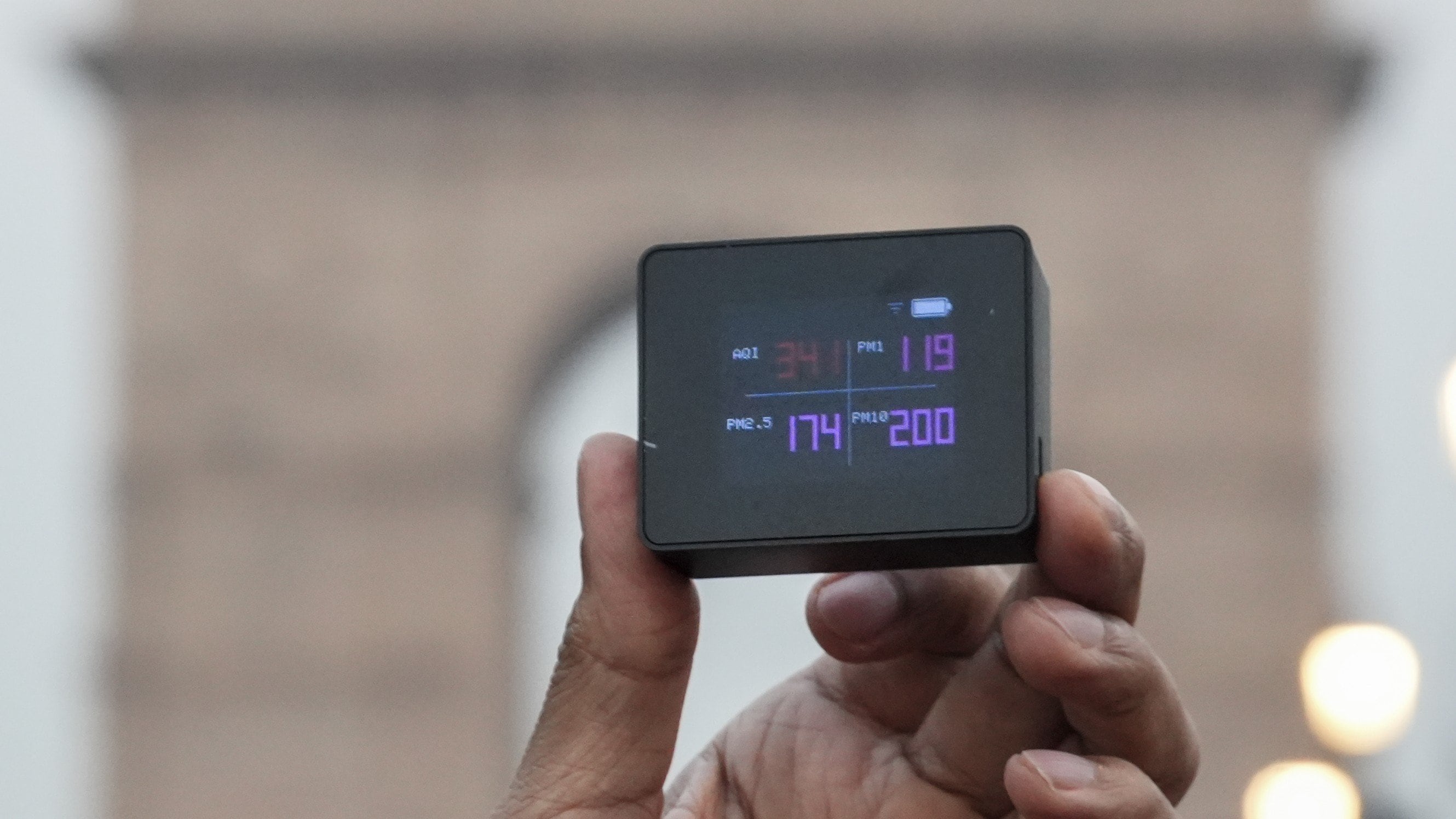
For people who exercise regularly, muscle recovery is just as important as the workout itself. Strength training, adequate protein intake, hydration and sleep are commonly discussed as factors that influence recovery, air quality is another aspect that deserves attention. With air pollution levels remaining a concern in several Indian cities, particularly Delhi-NCR, exercising outdoors can expose the body to pollutants that may affect respiratory and overall physiological health. During an intense workout, breathing becomes faster and deeper to supply more oxygen to working muscles. However, this also means that a person may inhale a greater volume of polluted air, including fine particulate matter such as PM2.5. According to Dr Ravi Shekhar Jha, Director, Pulmonology, Fortis Hospital, Faridabad, air pollution can affect the body's ability to recover after intense physical activity by triggering inflammation and oxidative stress.
How Does Air Pollution Affect Muscle Recovery?
Explaining the connection between air pollution and post-workout recovery, Dr Ravi Shekhar Jha says that fine particulate matter can travel deep into the lungs and trigger inflammatory responses and oxidative stress. Although the respiratory system is directly exposed to these pollutants, their effects may not be limited to the lungs. Pollution-related inflammation can add to the body's overall physiological stress after exercise. This may contribute to fatigue, reduced exercise tolerance and a feeling of slower recovery. However, the doctor points out that it is important to distinguish between muscle soreness and delayed muscle recovery. Muscle soreness after an intense workout generally results from the strain placed on muscle fibres during exercise. While research suggests that air pollution may influence inflammatory responses and recovery, its direct impact on muscle repair in humans is still being studied. Therefore, prolonged muscle soreness should not automatically be attributed to pollution.
Why Are Outdoor Workouts Riskier During High AQI?
During strenuous exercise, the body's demand for oxygen increases. This leads to faster and deeper breathing, increasing the volume of air inhaled. When a person exercises in an area with poor air quality, this can also increase their exposure to pollutants such as PM2.5. These fine particles are small enough to penetrate deep into the respiratory system and trigger inflammation and oxidative stress. For people who regularly run, cycle or perform high-intensity workouts outdoors, exercising during periods of poor air quality can increase respiratory stress.
READ | High AQI In Delhi: Things You Must Consider Before Going Out
What Should You Do To Protect Your Recovery During High Pollution?
Dr Jha recommends checking the Air Quality Index (AQI) before exercising and adjusting workout routines according to prevailing air quality conditions. Here are some precautions to follow:
1. Shift Intense Workouts Indoors: When pollution levels are high, particularly during poor or very poor AQI conditions, consider moving intense outdoor workouts indoors. You can continue strength training or cardio in a suitable indoor environment.
2. Avoid Busy Roads: If you prefer running or cycling outdoors, stay away from busy roads, traffic intersections and areas with heavy vehicular movement. These locations can have higher concentrations of traffic-related pollutants.
3. Choose Indoor Spaces With Air Filtration: Indoor exercise does not automatically guarantee protection from pollution. Choose gyms or workout spaces with adequate ventilation and effective air filtration wherever possible.
4. Be Extra Careful If You Have Asthma: People with asthma or other respiratory conditions should take additional precautions during periods of poor air quality. Pollution exposure can aggravate respiratory symptoms and affect exercise tolerance.
5. Prioritise Sleep And Hydration: Adequate sleep and hydration are important for normal post-workout recovery. A balanced diet also helps the body meet its nutritional requirements after strenuous exercise.
READ | Toxic Air Levels In New Delhi Surge Post Diwali Fireworks Exceeding WHO Limits
Can You Continue Strength Training During High AQI?
Dr Jha says, " Yes, you can continue exercising while reducing your exposure to outdoor pollution. However, the type, intensity and location of your workout matter. During periods of high pollution, shifting strength training, indoor cycling or other physical activities to a cleaner indoor environment is a practical approach." Avoid pushing yourself through intense outdoor sessions when air quality is poor. If you experience unusual breathlessness, persistent coughing, chest tightness or wheezing, stop exercising and seek medical advice if symptoms persist. Ultimately, muscle recovery is influenced by several factors, including training intensity, nutrition, sleep and overall health. While the direct relationship between air pollution and muscle repair requires further research, limiting exposure to polluted air is an important part of exercising safely.
\r\n
\r\n
Disclaimer: This content including advice provides generic information only. It is in no way a substitute for a qualified medical opinion. Always consult a specialist or your own doctor for more information. NDTV does not claim responsibility for this information.
Published: November 09, 2026 15:44 IST
 Written by Vishesh Nagar | Monday November 09, 2026
The final between Janice Tjen and Magda Linette was postponed after rain delays and smoke from Diwali firecrackers affected visibility.
- Written by Sambhav Kumar | Monday November 09, 2026
Muscle recovery is influenced by several factors, including training intensity, nutrition, sleep and overall health. While the direct relationship between air pollution and muscle repair requires further research, limiting exposure to polluted air is an important part of exercising safely.
- Written by Varsha Vats | Monday November 09, 2026
Children (whose lungs are still developing), the elderly, pregnant individuals, and those with pre-existing heart or lung diseases are at the greatest risk for acute complications.
- Edited by Debanish Achom | Monday November 09, 2026 , New Delhi
The war of words comes as a thick layer of smoke covers Delhi-National Capital Region (NCR) after Diwali celebrations, reducing visibility and taking air pollution into the 'severe' category at several locations
- AFP | Monday November 09, 2026 , India
Toxic air in parts of India's capital New Delhi soared to more than 58 times the World Health Organization's recommended daily limit Monday.




................................ Advertisement ................................


दीवाली की चौखट पर दिल्ली में सांसों का संकट: 30 साल की स्टडी ने हरियाली को लेकर क्या बताया?
Thursday November 05, 2026अध्ययन में हरियाली की मात्रा के साथ उसके फैलाव और आपसी जुड़ाव को भी महत्वपूर्ण पाया गया. जिन इलाकों में हरियाली ज्यादा बिखरी हुई थी, वहां सतही तापमान अधिक रहा. इसके विपरीत, बड़े और आपस में जुड़े हरित क्षेत्रों में तापमान कम पाया गया.
Opinion: Why Delhi's Smog Can't Be Fixed From SpaceDavid Fickling, Bloomberg
Monday October 19, 2026The clearest sign that Delhi is on a path to cleaner air would be a decline in the amount of paddy grown nearby, and therefore the acreage liable to be burned each year.
Don't Normalise Air Purifiers As Delhi Chokes | The Reason Why
Thursday December 11, 2025More than 90 cities in the world's top 100 polluting list are in India. With every passing year, the AQI is rising, reaching 'hazardous' levels.
Blog | Well Done, Delhi. You've Turned Lung Sacrifice Into A Badge Of HonourSaikat Kumar Bose
Monday November 10, 2025Till some years back, Delhiites would ask angry questions to those in power about the capitals annual tryst with toxic air. This has changed. Those in the driving seat dont see the need to answer now.
Opinion | Why Indians Have Just Given Up On Air Pollution CrisisTanushree Ganguly
Friday December 20, 2024While some may argue that people in Delhi are now more aware of air pollution than they were a decade back, my rebuttal would be that awareness does not mean that people are concerned.