


- Home/
- Can Delhi Air Pollution Affect Your Blood Pressure? Here's What You Should Know
Can Delhi Air Pollution Affect Your Blood Pressure? Here's What You Should Know
Written by Debosmita Ghosh | Updated: November 13, 2026 16:24 IST
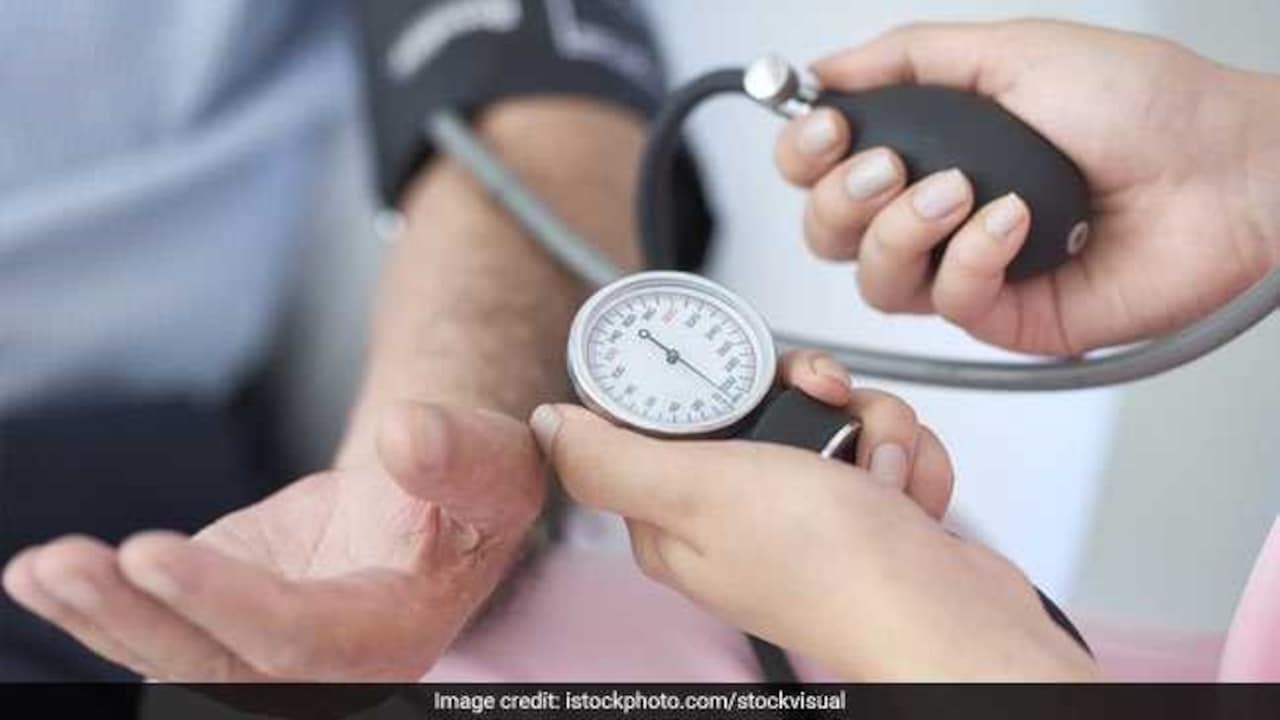
When you're exposed to high levels of air pollution, it can cause temporary increases in blood pressure
Highlights
- Delhi's AQI reached 419, with 33 stations reporting severe air quality on Nov 13
- Pollution levels rose steadily from 299 on Nov 10 to over 400 on Nov 13 in Delhi
- PM2.5 exposure can cause inflammation and affect blood vessels, raising blood pressure
Delhi woke up to another day of dangerous air quality on Friday (November 13) as pollution levels entered the 'severe' category. According to data from the Central Pollution Control Board (CPCB) Delhi's AQI reached 419 at 8:40 AM on Friday with 33 of the city's 58 monitoring stations recording severe air quality. Several areas reported readings above 450, including IIT Delhi, Chandni Chowk and North Campus.
The situation has worsened steadily over the past few days. According to reports, Delhi's AQI rose from 299 on November 10 to 313 on November 11 and 350 on November 12 before crossing 400 today. The thick layer of smog and poor visibility are not only a concern for the lungs but can also affect the heart and blood vessels. Air pollution, particularly fine particulate matter such as PM2.5, have also been linked with changes in blood pressure and a higher risk of hypertension.
Can Delhi Air Pollution Affect Your Blood Pressure Levels?
When you're exposed to high levels of air pollution, it can cause temporary increases in blood pressure. However, with repeated or long-term exposure, it may contribute to a higher risk of developing hypertension. PM2.5 particles are concerning because they are small enough to travel deep into the lungs and cause inflammation and other changes that can affect the cardiovascular system.
A study which involved more than 5,000 adults from urban Delhi found that higher exposure to PM2.5 was linked to higher systolic blood pressure and an increased risk of developing hypertension. Read on to know more.
1. Pollution Can Cause Inflammation
When air pollutants are inhaled, they can trigger inflammation in the lungs. Some of the inflammatory responses can affect the rest of the body, including the blood vessels. This inflammation can impact the normal functioning of the blood vessel lining, known as the endothelium. When blood vessels become less flexible or do not relax properly, the heart may have to work harder to pump blood, potentially increasing blood pressure levels.
2. It Can Affect The Nervous System
Air pollution can also influence the autonomic nervous system which helps regulate heart rate and blood pressure. Fine particles can increase sympathetic nervous system activity which is also described as the body's 'fight or flight' response. This can lead to changes in heart rate and tighten the blood vessels, which may lead to a temporary rise in blood pressure.
3. Even Short-Term Exposure May Matter
You do not necessarily need to live with polluted air for years before seeing an effect. Research has found that short-term exposure to PM2.5 can cause small increases in blood pressure. A study found that very short-term PM2.5 exposure was associated with higher blood pressure, with the effect occurring around the time of exposure and gradually becoming weaker over several hours.
4. People With Hypertension May Need To Be Careful
For someone who already has high blood pressure, severe pollution can add another stress on the cardiovascular system. This does not mean that every person with hypertension will see a rise in their readings after stepping outside, but repeated exposure can be a concern. Older adults and people with existing heart or cardiovascular conditions may also be more vulnerable to the effects of polluted air.
5. Long-Term Exposure May Increase Hypertension Risk
The bigger problem is not just one polluted day but repeated exposure over months and years. The Delhi-based study found that both short- and long-term PM2.5 exposure were linked to higher blood pressure. It also found an increased risk of developing hypertension with longer exposure periods. A recent systematic review and meta-analysis also found that long-term PM2.5 exposure was associated with higher increases in blood pressure and an increased risk of hypertension
What Can You Do On High-AQI Days?
When Delhi's AQI is in the severe range, reducing exposure is important. Avoid spending unnecessary time outdoors, particularly near heavy traffic roads and during periods when pollution is highest. Outdoor exercise should also be avoided when air quality is severely polluted, as physical activity increases the amount of air you breathe in.
Keep windows and doors closed when outdoor pollution is very high and consider using an air purifier indoors. If you need to go outside, wear a well-fitting N95 or equivalent mask.
Should You Check Your Blood Pressure?
If you have hypertension, heart disease or other cardiovascular risk factors, monitoring your blood pressure regularly can be a good thing during prolonged periods of severe pollution. However, one unusual reading does not automatically mean that air pollution has caused hypertension.
Blood pressure naturally changes throughout the day and can also be affected by stress, sleep, physical activity, caffeine and medication. If readings remain consistently higher than usual, or you develop symptoms such as chest pain, severe breathlessness, fainting or sudden weakness, you should seek medical attention.
Disclaimer: This content including advice provides generic information only. It is in no way a substitute for a qualified medical opinion. Always consult a specialist or your own doctor for more information. NDTV does not claim responsibility for this information.
Published: November 13, 2026 16:16 IST
also read
Opinion | The School Bell Can Wait, Children Need Protection From Toxic Air First
Written by Sneha MordaniDelhi AQI Crosses 400: Best Antioxidant And Omega-3 Rich Foods To Lower Pollution-Induced Internal Inflammation
Written by Varsha VatsDelhi AQI: How 'Very Poor' Air Quality Impacts Even Those Without Asthma
Written by Debosmita Ghosh
 Written by Debosmita Ghosh | Friday November 13, 2026
If you have hypertension, heart disease or other cardiovascular risk factors, monitoring your blood pressure regularly can be a good thing during prolonged periods of severe pollution.
- Edited by Madhumanti Pait Chowdhury | Friday November 13, 2026
"Will someone please tell me what this strange burnt-fuel smell in the air is?" asked Juhi Chawla
- Written by Sneha Mordani | Friday November 13, 2026
As air pollution continues to threaten the health of the capital, the question is no longer simply whether schools should close.
- Friday November 13, 2026
Air quality index (AQI) in Delhi was "hazardous" at 334, making it the most polluted global major city, according to Swiss group IQAir, which measures air quality levels based on the concentration of toxins
- Written by Varsha Vats | Friday November 13, 2026
Exposure to heavily polluted air can lead to respiratory issues. Within hours, it can cause coughing, wheezing, a scratchy throat, burning or watery eyes, and shortness of breath.




................................ Advertisement ................................
Opinion | Delhi Has Every Pollution Control Policy - Except One That Works
Monday November 09, 2026Every November, Delhi performs the same ritual. We check the AQI before stepping outdoors, children are kept indoors, masks reappear, schools consider shutting, construction is restricted, and emergency meetings are convened. Politicians blame the weather, neighbouring states, farmers, or firecrackers. And then, as the season changes, the urgency d...
दीवाली की चौखट पर दिल्ली में सांसों का संकट: 30 साल की स्टडी ने हरियाली को लेकर क्या बताया?
Thursday November 05, 2026अध्ययन में हरियाली की मात्रा के साथ उसके फैलाव और आपसी जुड़ाव को भी महत्वपूर्ण पाया गया. जिन इलाकों में हरियाली ज्यादा बिखरी हुई थी, वहां सतही तापमान अधिक रहा. इसके विपरीत, बड़े और आपस में जुड़े हरित क्षेत्रों में तापमान कम पाया गया.
Opinion: Why Delhi's Smog Can't Be Fixed From SpaceDavid Fickling, Bloomberg
Monday October 19, 2026The clearest sign that Delhi is on a path to cleaner air would be a decline in the amount of paddy grown nearby, and therefore the acreage liable to be burned each year.
Don't Normalise Air Purifiers As Delhi Chokes | The Reason Why
Thursday December 11, 2025More than 90 cities in the world's top 100 polluting list are in India. With every passing year, the AQI is rising, reaching 'hazardous' levels.
Blog | Well Done, Delhi. You've Turned Lung Sacrifice Into A Badge Of HonourSaikat Kumar Bose
Monday November 10, 2025Till some years back, Delhiites would ask angry questions to those in power about the capitals annual tryst with toxic air. This has changed. Those in the driving seat dont see the need to answer now.



