


- Home/
- Delhi AQI: How 'Very Poor' Air Quality Impacts Even Those Without Asthma
Delhi AQI: How 'Very Poor' Air Quality Impacts Even Those Without Asthma
Written by Debosmita Ghosh | Updated: November 12, 2026 23:15 IST

Pollution can act as a trigger even when a person's asthma was well controlled
Highlights
- Delhi-NCR recorded AQI levels above 317, reaching very poor air quality on November 12
- Stage III of the Graded Response Action Plan is active to curb worsening air pollution
- High pollution worsens asthma by causing airway inflammation and triggering attacks
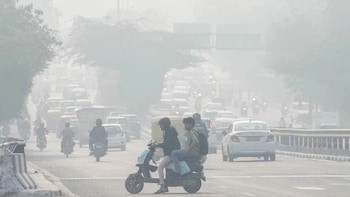
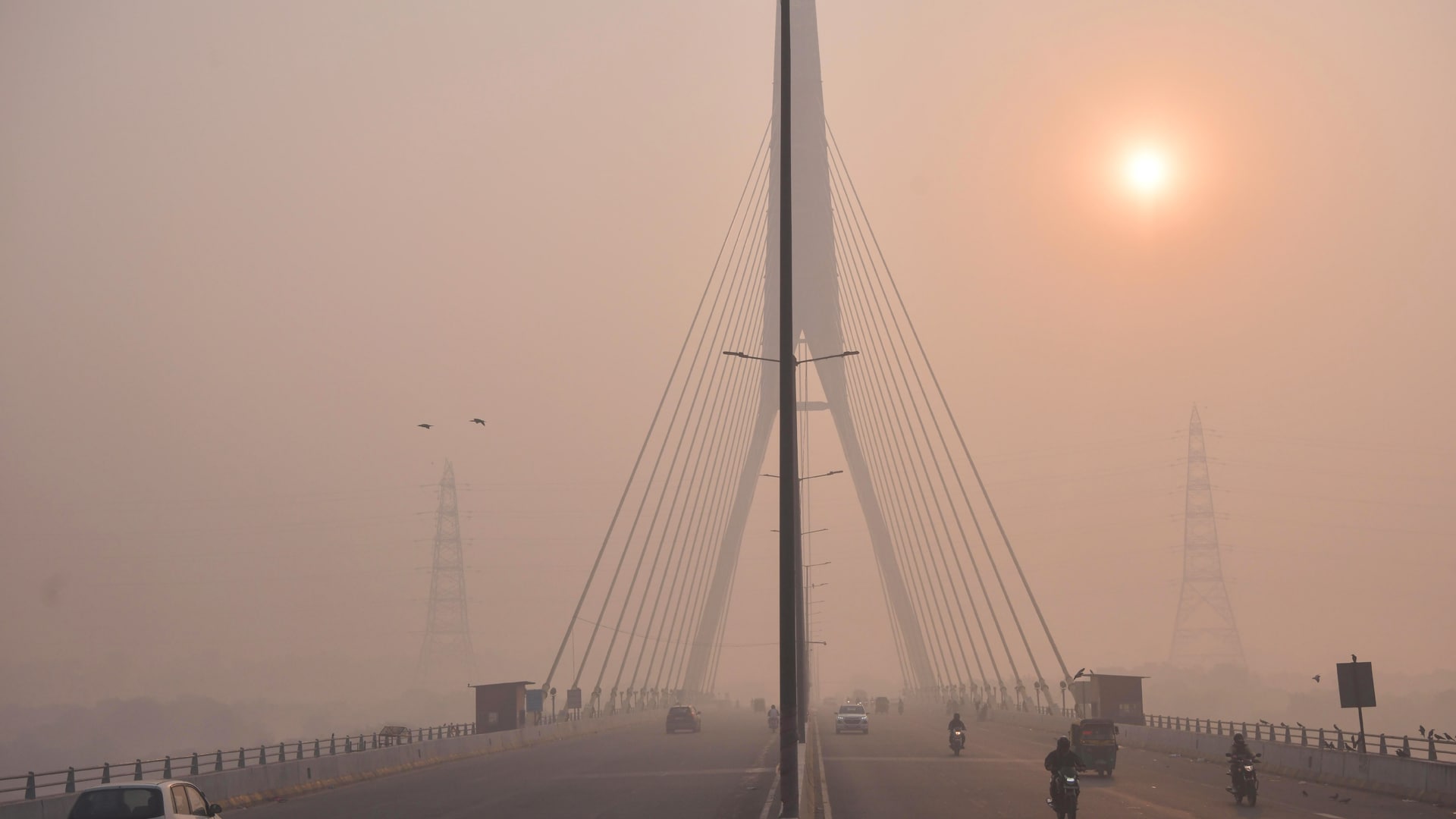
Delhi-NCR is under a thick blanket of polluted air. On Thursday (November 12), Delhi's overall AQI was around 317-325, putting it in the 'very poor' category, while several monitoring stations recorded readings above 350 and some crossed 400. The region is also under Stage III of the Graded Response Action Plan (GRAP) as authorities try to control worsening air pollution.
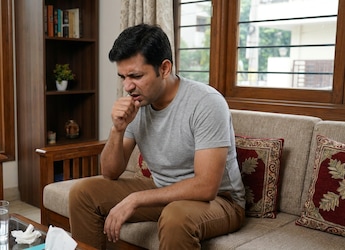
For people with asthma, such polluted air can be particularly difficult to tolerate. Fine particles and other pollutants can enter deep into the lungs, irritate the airways and trigger inflammation, coughing, wheezing and breathing difficulty. But asthma is not the only concern. Even people who do not have asthma can experience respiratory symptoms when pollution levels are high. In some cases, repeated or prolonged exposure may also affect lung function and increase the risk of respiratory and other health problems.
How Does High AQI Trigger Asthma?
Asthma is a chronic condition in which the airways become inflamed and sensitive. When a person with asthma inhales polluted air, the irritants can worsen this inflammation and cause the muscles around the airways to tighten. There are several air pollutants, but PM2.5 is particularly concerning. These tiny particles can travel deep into the lungs and trigger irritation and inflammation. Other pollutants, including nitrogen dioxide, sulphur dioxide and ozone, can also contribute to airway inflammation and worsen asthma symptoms.
During periods of very poor air quality, people with asthma may experience:
- More frequent coughing
- Wheezing
- Chest tightness
- Shortness of breath
- Higher dependence on prescribed inhalers
- More frequent or severe asthma attacks
Pollution can therefore act as a trigger even when a person's asthma was previously well controlled. Children, older adults and people with existing respiratory conditions may also be vulnerable.
How Does High AQI Impact People Without Asthma?
Having no history of asthma does not make a person completely protected from polluted air. The lungs still come in direct contact with the pollutants being inhaled and high exposure can cause irritation and inflammation.
1. It Can Cause Coughing And Throat Irritation
One of the first signs of exposure can be a dry cough, scratchy throat or irritation in the nose and eyes. Fine particles and other pollutants can irritate the lining of the respiratory tract, particularly when exposure continues for several hours.
2. Breathing May Feel More Difficult
People without asthma may notice breathlessness, chest discomfort or a feeling that they cannot take a proper deep breath during days of severe pollution. This can become more noticeable while walking, exercising or spending long periods outdoors. This does not mean that the person has developed asthma. However, persistent or recurring breathing symptoms should not be ignored.
3. Lung Function Can Be Affected
High levels of particulate matter can temporarily affect how well the lungs function. According to the World Health Organisation (WHO), short-term exposure to high levels of particulate matter can reduce lung function, while prolonged exposure is linked to a higher risk of respiratory problems. This is important for people who spend considerable time outdoors or live in areas where high pollution is frequent.
4. It Can Increase The Risk Of Respiratory Infections
Polluted air can irritate and weaken the respiratory system, making it harder for the lungs to deal with harmful particles and other irritants. WHO says that exposure to high levels of air pollution is linked to an increased risk of respiratory infections. This can be concerning for children and older adults, whose respiratory systems may be more vulnerable.
5. It May Cause Inflammation Beyond The Lungs
The impact of air pollution is not limited to breathing. Very small particles, particularly PM2.5, can pass through the lungs and enter the bloodstream. This can lead to inflammation and affect other organs and body systems. Long-term exposure has been linked with a higher risk of cardiovascular disease, stroke and other serious health problems.
Can Pollution Cause Asthma In Someone Who Does Not Have It?
Air pollution can increase the risk of developing asthma, but not every person exposed to pollution will develop the condition. Asthma usually results from several factors, including genetics, allergies, early-life exposures and environmental triggers. WHO identifies indoor and outdoor air pollution as important risk factors for asthma. This is why a person without asthma should still take high AQI levels seriously.
Disclaimer: This content including advice provides generic information only. It is in no way a substitute for a qualified medical opinion. Always consult a specialist or your own doctor for more information. NDTV does not claim responsibility for this information.
Published: November 12, 2026 23:09 IST
also read
Delhi Air Pollution: How Long Does It Actually Take Your Lungs To Recover?
Written by Debosmita GhoshLifeline Originals | Oxygen Cylinders, Cancer, Soot: Inside Loni's Year-Round Air Crisis
Written by Sneha MordaniCan Pollution Affect Your Brain? The Neurological Side Of Delhi's Air Crisis
Written by Tanushka Dutta
 Written by Debosmita Ghosh | Thursday November 12, 2026
Even people who do not have asthma can experience respiratory symptoms when pollution levels are high. In some cases, repeated or prolonged exposure may also affect lung function and increase the risk of respiratory and other health problems.
- Written by Vishesh Nagar | Thursday November 12, 2026
The ranking was led by Bulandshahr, followed by Aligarh and Faridkot, as AQI readings crossed 600 in all 10 cities.
- Written by Debosmita Ghosh | Thursday November 12, 2026
There is no single recovery time for everyone. It depends on how much pollution a person was exposed to and whether the exposure was brief or repeated.
- Written by Vishesh Nagar | Thursday November 12, 2026
The national capital's AQI was above 600, significantly higher than the readings recorded in Mumbai, Kolkata, Chennai, Hyderabad and Bengaluru.
- Written by Sneha Mordani | Thursday November 12, 2026
Worse than Delhi, Loni is the world's most polluted city. Beyond Diwali, illegal kilns, dust, and toxic waste make every breath a daily battle.


................................ Advertisement ................................
Opinion | Delhi Has Every Pollution Control Policy - Except One That Works
Monday November 09, 2026Every November, Delhi performs the same ritual. We check the AQI before stepping outdoors, children are kept indoors, masks reappear, schools consider shutting, construction is restricted, and emergency meetings are convened. Politicians blame the weather, neighbouring states, farmers, or firecrackers. And then, as the season changes, the urgency d...
दीवाली की चौखट पर दिल्ली में सांसों का संकट: 30 साल की स्टडी ने हरियाली को लेकर क्या बताया?
Thursday November 05, 2026अध्ययन में हरियाली की मात्रा के साथ उसके फैलाव और आपसी जुड़ाव को भी महत्वपूर्ण पाया गया. जिन इलाकों में हरियाली ज्यादा बिखरी हुई थी, वहां सतही तापमान अधिक रहा. इसके विपरीत, बड़े और आपस में जुड़े हरित क्षेत्रों में तापमान कम पाया गया.
Opinion: Why Delhi's Smog Can't Be Fixed From SpaceDavid Fickling, Bloomberg
Monday October 19, 2026The clearest sign that Delhi is on a path to cleaner air would be a decline in the amount of paddy grown nearby, and therefore the acreage liable to be burned each year.
Don't Normalise Air Purifiers As Delhi Chokes | The Reason Why
Thursday December 11, 2025More than 90 cities in the world's top 100 polluting list are in India. With every passing year, the AQI is rising, reaching 'hazardous' levels.
Blog | Well Done, Delhi. You've Turned Lung Sacrifice Into A Badge Of HonourSaikat Kumar Bose
Monday November 10, 2025Till some years back, Delhiites would ask angry questions to those in power about the capitals annual tryst with toxic air. This has changed. Those in the driving seat dont see the need to answer now.



