


- Home/
- Can Diet Protect You From Rising Air Pollution? Try These Expert-Backed Nutrition Tips
Can Diet Protect You From Rising Air Pollution? Try These Expert-Backed Nutrition Tips
Edited by Jigyasa Kakwani | Updated: November 07, 2026 15:55 IST

Proper nutrition can help mitigate harmful effects of air pollution.
Highlights
- Omega-3 fatty acids from fish may reduce air pollution's impact on the cardiovascular system
- Vitamins C, D, and E help neutralize toxic effects and protect cells from pollution damage
- Avoid processed foods and consume herbal teas to reduce inflammation and boost immunity
The sharp dip in the air quality of Delhi has once again prompted discussions on how to protect our health against the harmful effects of air pollution. On Saturday morning, the city's overall Air Quality Index (AQI) stood at 364, according to Central Pollution Control Board (CPCB) data. Several places in Delhi recorded 'severe' levels (401-500) on the Air Quality Index (AQI).
Air pollution is linked to an increased risk of several health issues, including cardiovascular and respiratory problems. Studies have indicated that some harmful effects of air pollution may be mitigated by consuming essential micronutrients such as Vitamins C, D, and E.
While there is no single solution for combating the negative effects of air pollution, having a diet rich in minerals, vitamins and other nutrients can improve the body's immunity and protect lung health.
Nutrition Tips For Reducing Air Pollution's Harmful Effects
Include More Omega-3 Fatty Acids In Your Diet
Eating fish high in omega-3 fatty acids, such as salmon, tuna, and other seafood, may help reduce the adverse effects of air pollution on the cardiovascular system in the short run. A 2022 study by the United States Environmental Protection Agency found that people could benefit from increasing their omega-3 intake during times of high exposure to air pollutants.

Photo Credit: Pexels
Consume Foods Rich In Vitamins C, D And E
Vitamins C, D and E can neutralise the toxic effects of polluting gases, a study in the Journal of Nutrition Fasting and Health shows. Vitamin C is a natural immunity booster and protects the cells from oxidative stress. Amla, oranges and lemons are rich in nutrients.
Having more milk, butter and egg yolks can improve calcium levels, in turn reducing the absorption of heavy elements such as lead.
Foods rich in Vitamin E can help protect the body's cells from oxidative damage and reduce inflammation caused by pollutants. Adding walnuts, almonds, olives and green leafy vegetables to one's daily diet is useful for increasing Vitamin E levels.

Photo Credit: Pexels
Also Read: These Diwali 'Patakhas' In Jodhpur Are Meant To Be Eaten, Not Burst
Avoid Oily And Processed Foods
During periods of high pollution, the digestive system often has to work harder to eliminate toxins. Eating processed and deep-fried foods burdens the system and increases inflammation. Eating home-cooked, hygienic, and nutrient-dense meals can lower inflammation levels and keep the body healthy.

Photo Credit: Pexels
Herbal Teas Can Help
Herbal teas serve as natural detoxifiers. Having more herbal tea can improve the immune system and increase levels of Vitamin C, a study by Harvard Health revealed.

Photo Credit: Pexels
A healthy diet is not a complete solution for reducing air pollution's effects. Lifestyle changes, such as daily exercise and adequate sleep, are also essential to improve the body's immune system against pollutants. Along with these measures, wearing masks, using air purifiers and avoiding polluted areas can also help.
Also Read: Yelp Releases First Ever List Of 100 Best Indian Restaurants In US
Published: November 07, 2026 13:53 IST
 Delhi AQI: Is Toxic Air Making You Tired? Impact Of Air Pollution On Energy, Sleep And ConcentrationWritten by Debosmita Ghosh | Wednesday November 11, 2026
Fine particles such as PM2.5 can enter deep into the lungs and lead to inflammation and oxidative stress in the body. Prolonged exposure may also affect the cardiovascular system and overall physical health.
- Written by Niharika Raj | Wednesday November 11, 2026
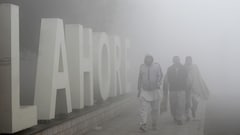
A Pakistani air quality body has found no evidence linking Lahore's post-Diwali smog to fireworks in India, pointing instead to thousands of crop-residue fires in Pakistan's own Punjab.
- Written by Sambhav Kumar | Wednesday November 11, 2026
Morning chest heaviness should not automatically be attributed to air pollution. Persistent or worsening symptoms warrant medical evaluation, particularly if accompanied by coughing, wheezing or breathlessness.
- Edited by Sanstuti Nath | Wednesday November 11, 2026 , Islamabad
The Pakistan report said the available evidence did not support attributing Lahore's poor air quality after Diwali to fireworks across the border.
- Written by Sneha Mordani , Edited by Sambhav Kumar | Wednesday November 11, 2026
India should retain the AQI for public advisories but must publish uncapped PM2.5 and PM10 concentrations alongside it. An index may have a ceiling. Pollution does not.




................................ Advertisement ................................






Opinion | Delhi Has Every Pollution Control Policy - Except One That Works
Monday November 09, 2026Every November, Delhi performs the same ritual. We check the AQI before stepping outdoors, children are kept indoors, masks reappear, schools consider shutting, construction is restricted, and emergency meetings are convened. Politicians blame the weather, neighbouring states, farmers, or firecrackers. And then, as the season changes, the urgency d...
दीवाली की चौखट पर दिल्ली में सांसों का संकट: 30 साल की स्टडी ने हरियाली को लेकर क्या बताया?
Thursday November 05, 2026अध्ययन में हरियाली की मात्रा के साथ उसके फैलाव और आपसी जुड़ाव को भी महत्वपूर्ण पाया गया. जिन इलाकों में हरियाली ज्यादा बिखरी हुई थी, वहां सतही तापमान अधिक रहा. इसके विपरीत, बड़े और आपस में जुड़े हरित क्षेत्रों में तापमान कम पाया गया.
Opinion: Why Delhi's Smog Can't Be Fixed From SpaceDavid Fickling, Bloomberg
Monday October 19, 2026The clearest sign that Delhi is on a path to cleaner air would be a decline in the amount of paddy grown nearby, and therefore the acreage liable to be burned each year.
Don't Normalise Air Purifiers As Delhi Chokes | The Reason Why
Thursday December 11, 2025More than 90 cities in the world's top 100 polluting list are in India. With every passing year, the AQI is rising, reaching 'hazardous' levels.
Blog | Well Done, Delhi. You've Turned Lung Sacrifice Into A Badge Of HonourSaikat Kumar Bose
Monday November 10, 2025Till some years back, Delhiites would ask angry questions to those in power about the capitals annual tryst with toxic air. This has changed. Those in the driving seat dont see the need to answer now.



