- Home/
- Heavy Chest In The Morning Amid High AQI: Why It Happens And How To Get Relief
Heavy Chest In The Morning Amid High AQI: Why It Happens And How To Get Relief
Written by Sambhav Kumar | Updated: November 11, 2026 15:09 IST

Morning chest heaviness should not automatically be attributed to air pollution
Highlights
- Morning chest heaviness during high pollution is due to airway inflammation and mucus buildup
- People with asthma, COPD, or lung conditions are more affected by poor air quality symptoms
- Indoor air pollution from cooking, smoke, and poor ventilation can worsen respiratory discomfort
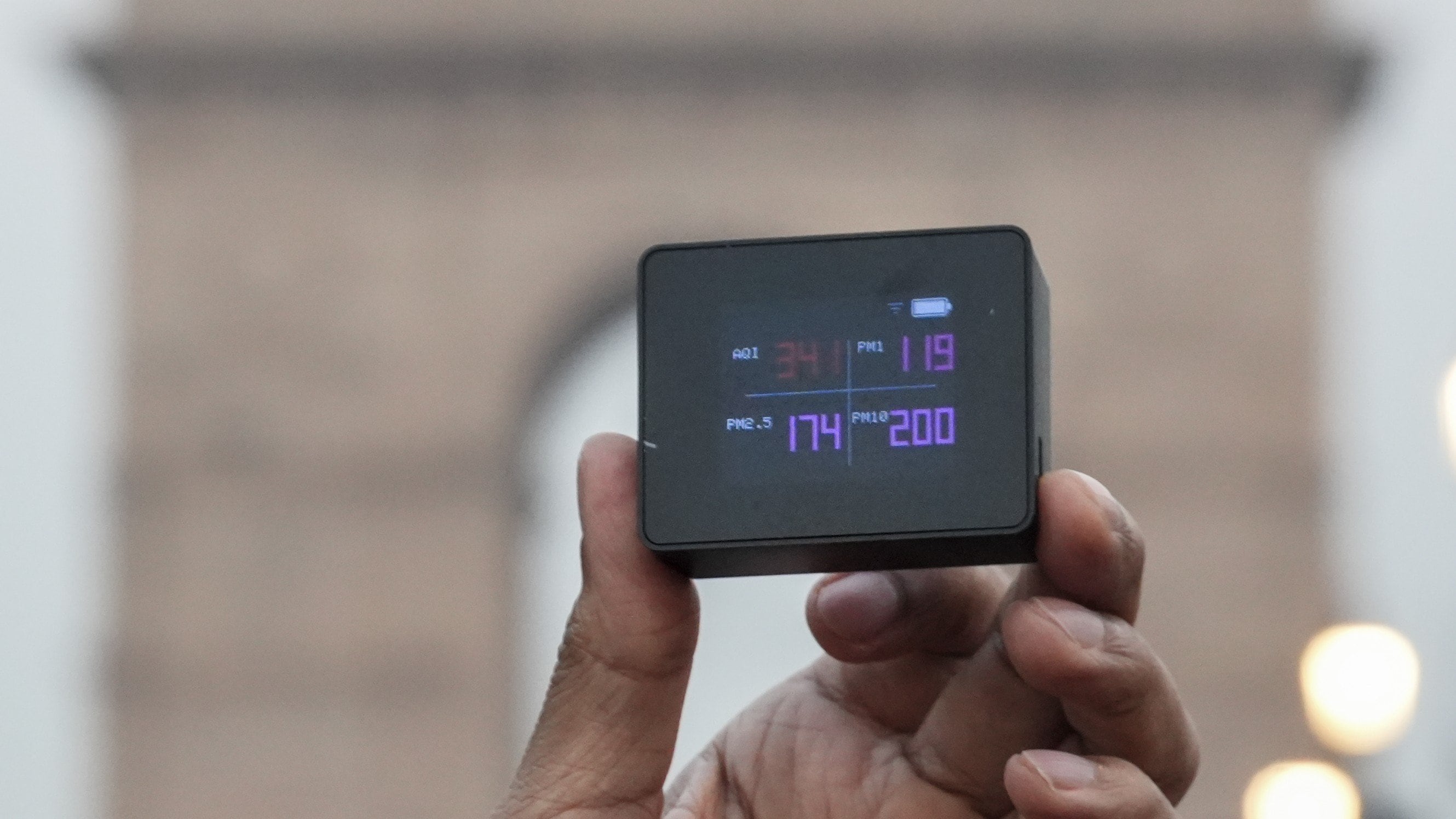
Waking up with a heavy chest, a feeling of tightness or difficulty taking a deep breath can be particularly uncomfortable during periods of high air pollution. As Delhi-NCR experiences deteriorating air quality, respiratory discomfort in the morning may become more noticeable, especially among people with asthma, chronic obstructive pulmonary disease (COPD) or other pre-existing lung conditions. Unlike occasional throat irritation or sneezing, chest heaviness can indicate that the airways are reacting to pollutants. Prolonged exposure to polluted air can trigger inflammation, increase mucus production and aggravate underlying respiratory conditions. Morning symptoms may also be influenced by the fact that people spend several hours breathing indoor air overnight, which may contain pollutants if ventilation is poor or outdoor pollution enters the home.
According to Dr Ravi Shekhar Jha, Director, Pulmonology, Fortis Hospital, Faridabad, morning chest heaviness during periods of high air pollution can result from airway inflammation and increased mucus production following prolonged exposure to polluted air. "People with asthma, COPD or existing respiratory conditions may experience greater discomfort. Avoid outdoor exposure when AQI is poor and consult a pulmonologist if symptoms persist or worsen," he says.
Why Does Your Chest Feel Heavy When You Wake Up During High AQI?
1. Air Pollution Can Trigger Airway Inflammation
Fine particulate matter, particularly PM2.5, can penetrate deep into the respiratory system and trigger an inflammatory response. When these particles enter the airways, they can irritate the respiratory lining, potentially causing swelling, increased mucus production and breathing discomfort. This may make the chest feel tight or heavy, particularly among people whose airways are already sensitive.
2. Mucus Accumulation Can Make Breathing Uncomfortable
The respiratory tract naturally produces mucus to trap dust, microorganisms and other airborne particles. However, exposure to polluted air can increase mucus production and interfere with the normal functioning of the airways. During sleep, mucus may accumulate, making some people experience coughing, throat irritation or a sensation of congestion when they wake up.
READ | It's Not Just AQI: Why Tiny Particulate Matter Poses A Bigger Health Risk
3. Existing Respiratory Conditions Can Get Aggravated
People with asthma, COPD, bronchitis and other chronic respiratory conditions may be particularly vulnerable during periods of poor air quality. Pollutants can aggravate airway inflammation and increase sensitivity, potentially triggering wheezing, coughing, breathlessness and chest tightness. Even people whose respiratory conditions are relatively well controlled may experience worsening symptoms during pollution episodes.
4. Indoor Air Pollution Can Also Contribute
Staying indoors does not necessarily mean complete protection from outdoor pollution. PM2.5 particles can enter homes through doors, windows and ventilation systems. Indoor sources such as cooking emissions, incense sticks, mosquito coils and tobacco smoke can further affect air quality. Consequently, people may continue to experience respiratory irritation even after spending several hours indoors. How To Get Relief From Morning Chest Heaviness Amid High AQI
- Avoid outdoor exposure: Limit outdoor activities when AQI is poor, particularly strenuous exercise such as running and cycling.
- Use a well-maintained air purifier: A HEPA-filter air purifier of appropriate capacity can help reduce airborne particulate matter indoors.
- Keep windows closed during severe pollution episodes: Ventilate your home when outdoor air quality improves.
- Stay hydrated: Adequate fluid intake helps prevent mucus from becoming excessively thick.
- Avoid additional irritants: Stay away from cigarette smoke, incense sticks, mosquito coils and strong fragrances.
Follow prescribed respiratory medication: People with asthma or COPD should continue their prescribed treatment and follow their doctor's action plan.
When Should You See A Doctor?
Morning chest heaviness should not automatically be attributed to air pollution. Persistent or worsening symptoms warrant medical evaluation, particularly if accompanied by coughing, wheezing or breathlessness. Seek urgent medical attention if chest discomfort is severe, new or persistent, or accompanied by sweating, faintness, nausea, or pain spreading to the arm, jaw or back. Sudden or severe breathing difficulty also requires emergency care. People with existing respiratory conditions should consult their pulmonologist if they notice increased symptoms or need their rescue medication more frequently.
\r\n
\r\n
Disclaimer: This content including advice provides generic information only. It is in no way a substitute for a qualified medical opinion. Always consult a specialist or your own doctor for more information. NDTV does not claim responsibility for this information.
Published: November 11, 2026 15:08 IST
also read
Delhi AQI: Is Toxic Air Making You Tired? Impact Of Air Pollution On Energy, Sleep And Concentration
Written by Debosmita GhoshIt's Not Just AQI: Why Tiny Particulate Matter Poses A Bigger Health Risk
Written by Sneha Mordani, Edited by Sambhav KumarMeeting WHO Air Quality Guidelines Could Save Over 9 Million Lives Annually, Finds Cambridge Study
Written by Debosmita Ghosh
 Delhi AQI: Is Toxic Air Making You Tired? Impact Of Air Pollution On Energy, Sleep And ConcentrationWritten by Debosmita Ghosh | Wednesday November 11, 2026
Fine particles such as PM2.5 can enter deep into the lungs and lead to inflammation and oxidative stress in the body. Prolonged exposure may also affect the cardiovascular system and overall physical health.
- Written by Niharika Raj | Wednesday November 11, 2026
A Pakistani air quality body has found no evidence linking Lahore's post-Diwali smog to fireworks in India, pointing instead to thousands of crop-residue fires in Pakistan's own Punjab.
- Written by Sambhav Kumar | Wednesday November 11, 2026
Morning chest heaviness should not automatically be attributed to air pollution. Persistent or worsening symptoms warrant medical evaluation, particularly if accompanied by coughing, wheezing or breathlessness.
- Edited by Sanstuti Nath | Wednesday November 11, 2026 , Islamabad
The Pakistan report said the available evidence did not support attributing Lahore's poor air quality after Diwali to fireworks across the border.
- Written by Sneha Mordani , Edited by Sambhav Kumar | Wednesday November 11, 2026
India should retain the AQI for public advisories but must publish uncapped PM2.5 and PM10 concentrations alongside it. An index may have a ceiling. Pollution does not.



................................ Advertisement ................................






Opinion | Delhi Has Every Pollution Control Policy - Except One That Works
Monday November 09, 2026Every November, Delhi performs the same ritual. We check the AQI before stepping outdoors, children are kept indoors, masks reappear, schools consider shutting, construction is restricted, and emergency meetings are convened. Politicians blame the weather, neighbouring states, farmers, or firecrackers. And then, as the season changes, the urgency d...
दीवाली की चौखट पर दिल्ली में सांसों का संकट: 30 साल की स्टडी ने हरियाली को लेकर क्या बताया?
Thursday November 05, 2026अध्ययन में हरियाली की मात्रा के साथ उसके फैलाव और आपसी जुड़ाव को भी महत्वपूर्ण पाया गया. जिन इलाकों में हरियाली ज्यादा बिखरी हुई थी, वहां सतही तापमान अधिक रहा. इसके विपरीत, बड़े और आपस में जुड़े हरित क्षेत्रों में तापमान कम पाया गया.
Opinion: Why Delhi's Smog Can't Be Fixed From SpaceDavid Fickling, Bloomberg
Monday October 19, 2026The clearest sign that Delhi is on a path to cleaner air would be a decline in the amount of paddy grown nearby, and therefore the acreage liable to be burned each year.
Don't Normalise Air Purifiers As Delhi Chokes | The Reason Why
Thursday December 11, 2025More than 90 cities in the world's top 100 polluting list are in India. With every passing year, the AQI is rising, reaching 'hazardous' levels.
Blog | Well Done, Delhi. You've Turned Lung Sacrifice Into A Badge Of HonourSaikat Kumar Bose
Monday November 10, 2025Till some years back, Delhiites would ask angry questions to those in power about the capitals annual tryst with toxic air. This has changed. Those in the driving seat dont see the need to answer now.