


- Home/
- Chandigarh Sees Better Air Quality This Diwali Than Previous Years
Chandigarh Sees Better Air Quality This Diwali Than Previous Years
Reported by Mohammed Ghazali | Updated: November 10, 2026 05:34 IST
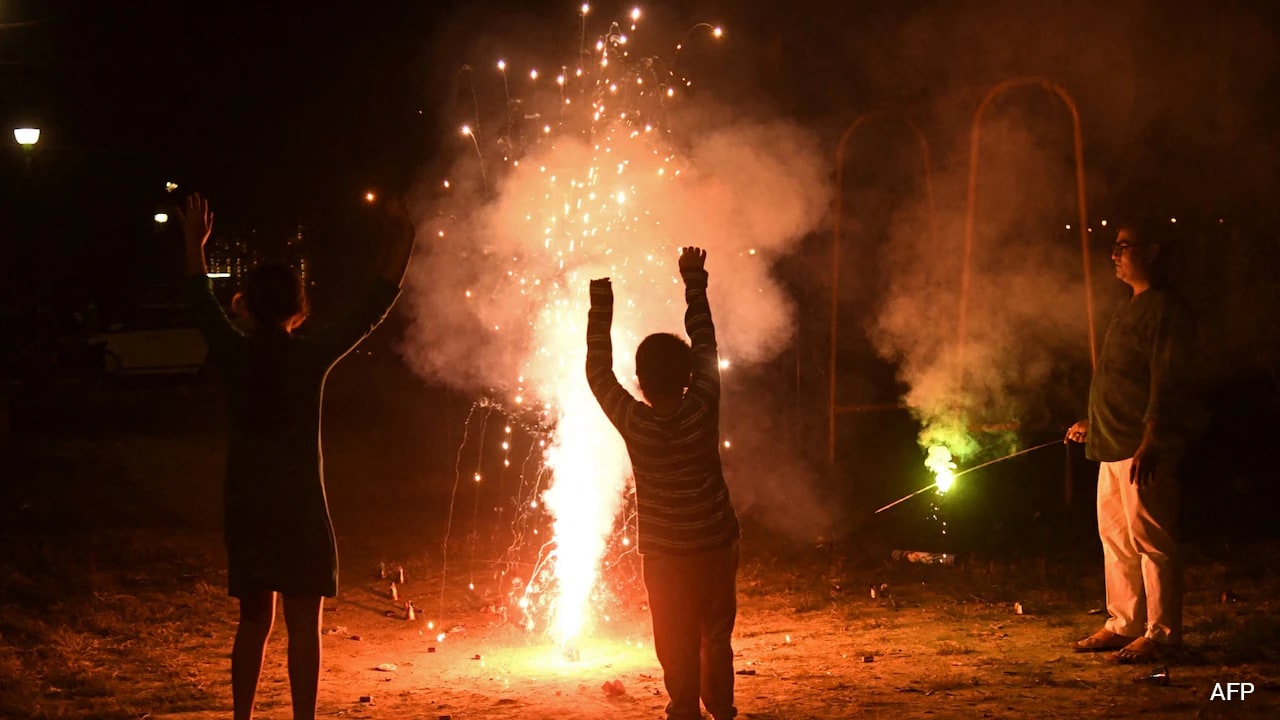
The highest AQI during the bursting window was recorded at Sector 25 at 326.
Chandigarh, which sits in the heart of the north Indian region grappling with seasonal pollution, recorded better air quality at most monitoring locations this Diwali compared to previous years, according to the Chandigarh Pollution Control Committee (CPCC). The improvement comes amid the ongoing debate over the contribution of stubble burning and firecrackers to deteriorating air quality in the national capital and surrounding areas.
According to the CPCC, air quality remained in the 'Satisfactory' category before the permitted firecracker bursting window of 8 pm to 10 pm on November 8. While the AQI rose at all six monitoring locations during the two-hour period, the spike was short-lived, with pollution levels returning to the 'Satisfactory' category by 3 am on November 9.
The highest AQI during the bursting window was recorded at Sector 25 at 326, followed by PEC Sector 12 at 312, IMTECH Sector 39 at 310 and Sector 53 at 304. These locations briefly entered the 'Very Poor' category. Sector 17 and Sector 22 recorded AQI levels of 170 and 158, respectively, remaining in the 'Moderate' category. No monitoring station recorded 'Severe' air quality.
The committee said Sector 17, Sector 22 and IMTECH-39 recorded better air quality than on Diwali last year. Compared to the last three years, air quality on Diwali 2026 was better at most monitoring locations, which the CPCC attributed to greater environmental awareness and residents largely adhering to the prescribed two-hour window for bursting green firecrackers.
Noise pollution, however, remained a concern. The highest noise level between 8 pm and 10 pm was recorded at IMTECH-39 at 83.9 decibels, while Sector 53 recorded the lowest at 61.2 decibels. Noise levels declined at most locations after the permitted bursting period ended.
The CPCC said the improvement reflected growing public participation in environmentally responsible celebrations, particularly among young people and schoolchildren. The committee added that it would continue its awareness campaigns, including the 'Green Diwali' initiative in schools, to encourage eco-friendly celebrations.
Published: November 10, 2026 05:34 IST
also read
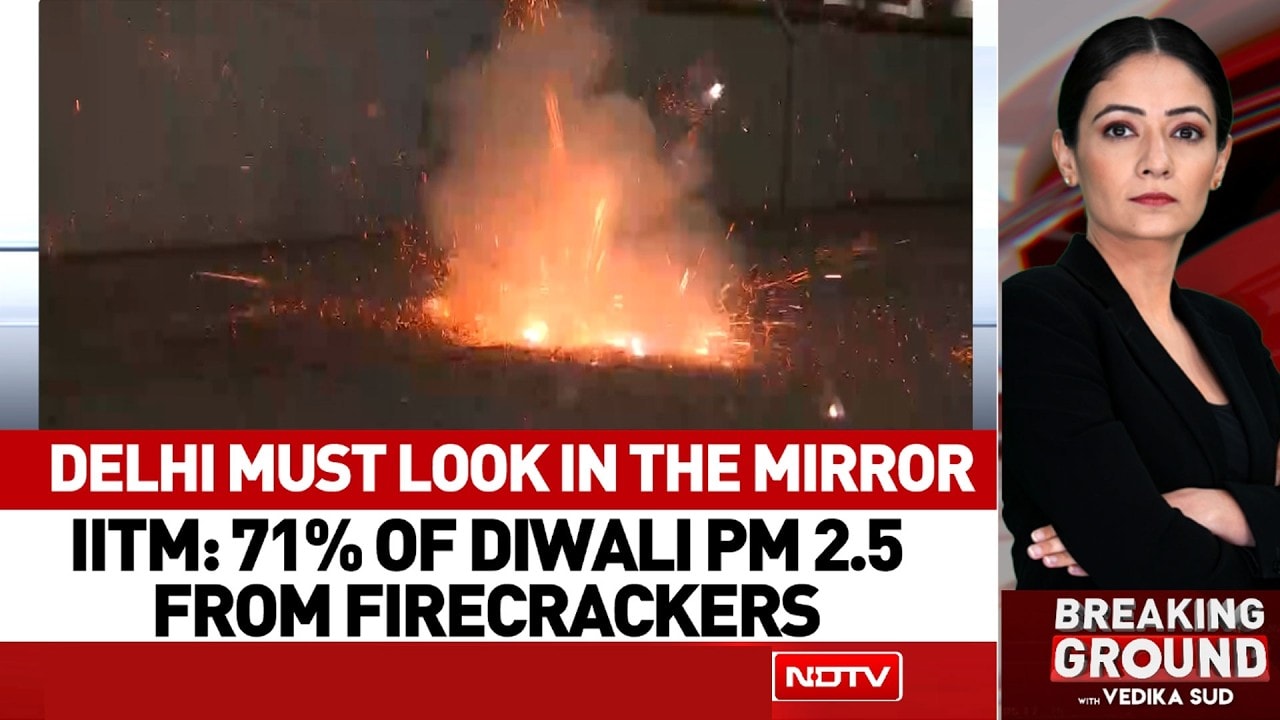
Pakistan's Own Agency Busts Its 'Diwali Firework' Pollution Theory As AQI Crosses 600
Edited by Sanstuti NathAir Pollution Is As Big A Public Health Emergency As COVID: Former WHO Chief
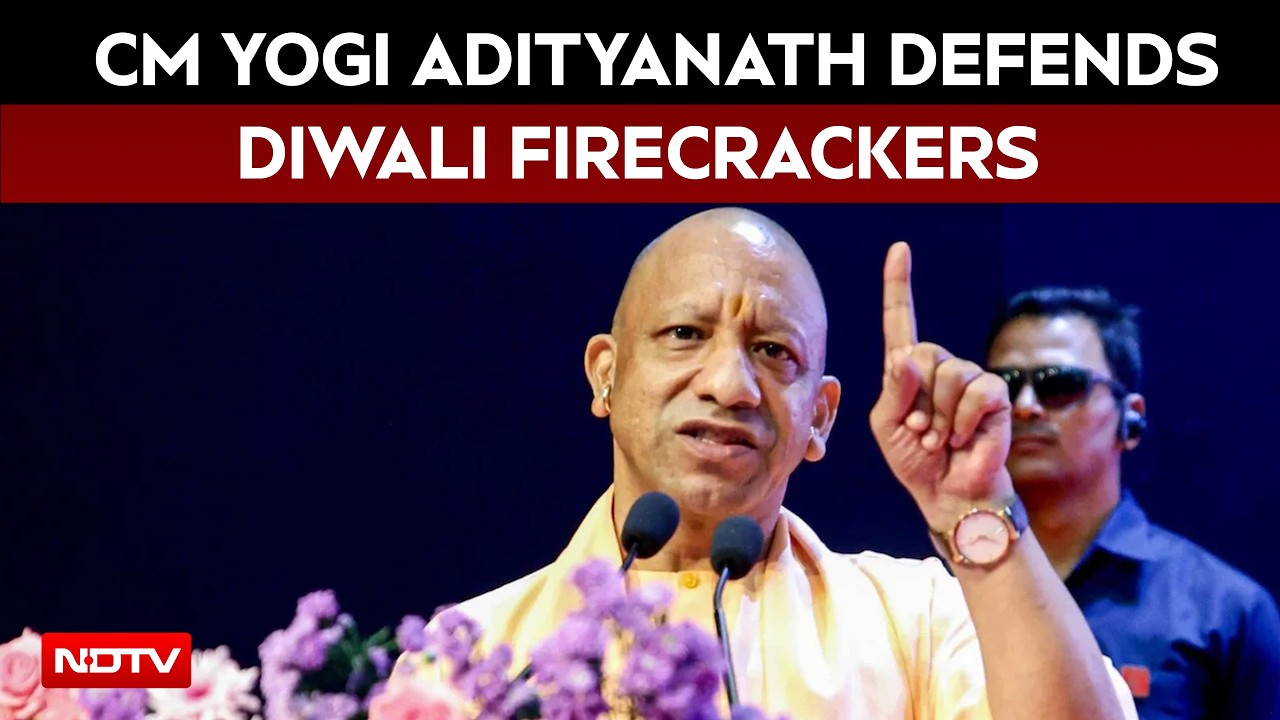
Reported by Vedika Sud Sachdeva, Edited by Aastha Ahuja'Pollution Subsides': Yogi Adityanath Defends Bursting Of Crackers On Diwali
Edited by Debanish Achom
 Delhi AQI: Is Toxic Air Making You Tired? Impact Of Air Pollution On Energy, Sleep And ConcentrationWritten by Debosmita Ghosh | Wednesday November 11, 2026
Fine particles such as PM2.5 can enter deep into the lungs and lead to inflammation and oxidative stress in the body. Prolonged exposure may also affect the cardiovascular system and overall physical health.
- Written by Niharika Raj | Wednesday November 11, 2026
A Pakistani air quality body has found no evidence linking Lahore's post-Diwali smog to fireworks in India, pointing instead to thousands of crop-residue fires in Pakistan's own Punjab.
- Written by Sambhav Kumar | Wednesday November 11, 2026
Morning chest heaviness should not automatically be attributed to air pollution. Persistent or worsening symptoms warrant medical evaluation, particularly if accompanied by coughing, wheezing or breathlessness.
- Edited by Sanstuti Nath | Wednesday November 11, 2026 , Islamabad
The Pakistan report said the available evidence did not support attributing Lahore's poor air quality after Diwali to fireworks across the border.
- Written by Sneha Mordani , Edited by Sambhav Kumar | Wednesday November 11, 2026
India should retain the AQI for public advisories but must publish uncapped PM2.5 and PM10 concentrations alongside it. An index may have a ceiling. Pollution does not.

................................ Advertisement ................................

Opinion | Delhi Has Every Pollution Control Policy - Except One That Works
Monday November 09, 2026Every November, Delhi performs the same ritual. We check the AQI before stepping outdoors, children are kept indoors, masks reappear, schools consider shutting, construction is restricted, and emergency meetings are convened. Politicians blame the weather, neighbouring states, farmers, or firecrackers. And then, as the season changes, the urgency d...
दीवाली की चौखट पर दिल्ली में सांसों का संकट: 30 साल की स्टडी ने हरियाली को लेकर क्या बताया?
Thursday November 05, 2026अध्ययन में हरियाली की मात्रा के साथ उसके फैलाव और आपसी जुड़ाव को भी महत्वपूर्ण पाया गया. जिन इलाकों में हरियाली ज्यादा बिखरी हुई थी, वहां सतही तापमान अधिक रहा. इसके विपरीत, बड़े और आपस में जुड़े हरित क्षेत्रों में तापमान कम पाया गया.
Opinion: Why Delhi's Smog Can't Be Fixed From SpaceDavid Fickling, Bloomberg
Monday October 19, 2026The clearest sign that Delhi is on a path to cleaner air would be a decline in the amount of paddy grown nearby, and therefore the acreage liable to be burned each year.
Don't Normalise Air Purifiers As Delhi Chokes | The Reason Why
Thursday December 11, 2025More than 90 cities in the world's top 100 polluting list are in India. With every passing year, the AQI is rising, reaching 'hazardous' levels.
Blog | Well Done, Delhi. You've Turned Lung Sacrifice Into A Badge Of HonourSaikat Kumar Bose
Monday November 10, 2025Till some years back, Delhiites would ask angry questions to those in power about the capitals annual tryst with toxic air. This has changed. Those in the driving seat dont see the need to answer now.



