


- Home/
- Pollution Curbs Under GRAP-1 Imposed In Delhi, Parking Charges To Be Doubled
Pollution Curbs Under GRAP-1 Imposed In Delhi, Parking Charges To Be Doubled

Delhi's AQI was 244 at 2 pm.
Highlights
- GRAP-1 is imposed when the AQI is between 201 and 300.
- Delhi's AQI was 244 at 2 pm
- The Delhi environment minister said an 11-point action plan is being implemented to control pollution
New Delhi:
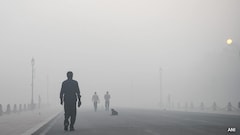
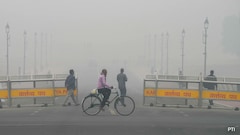
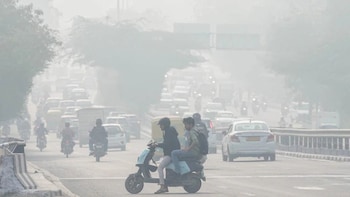
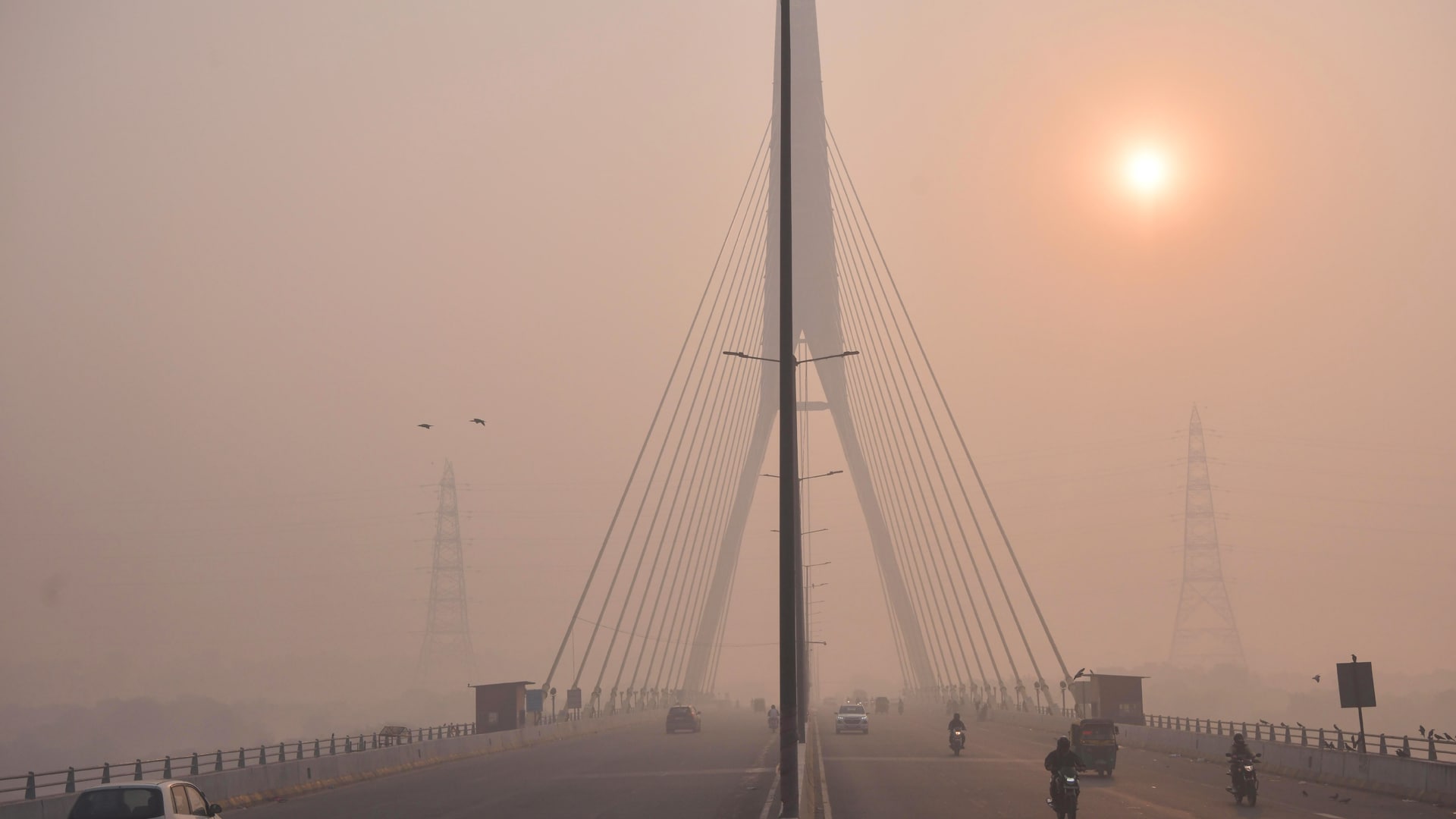
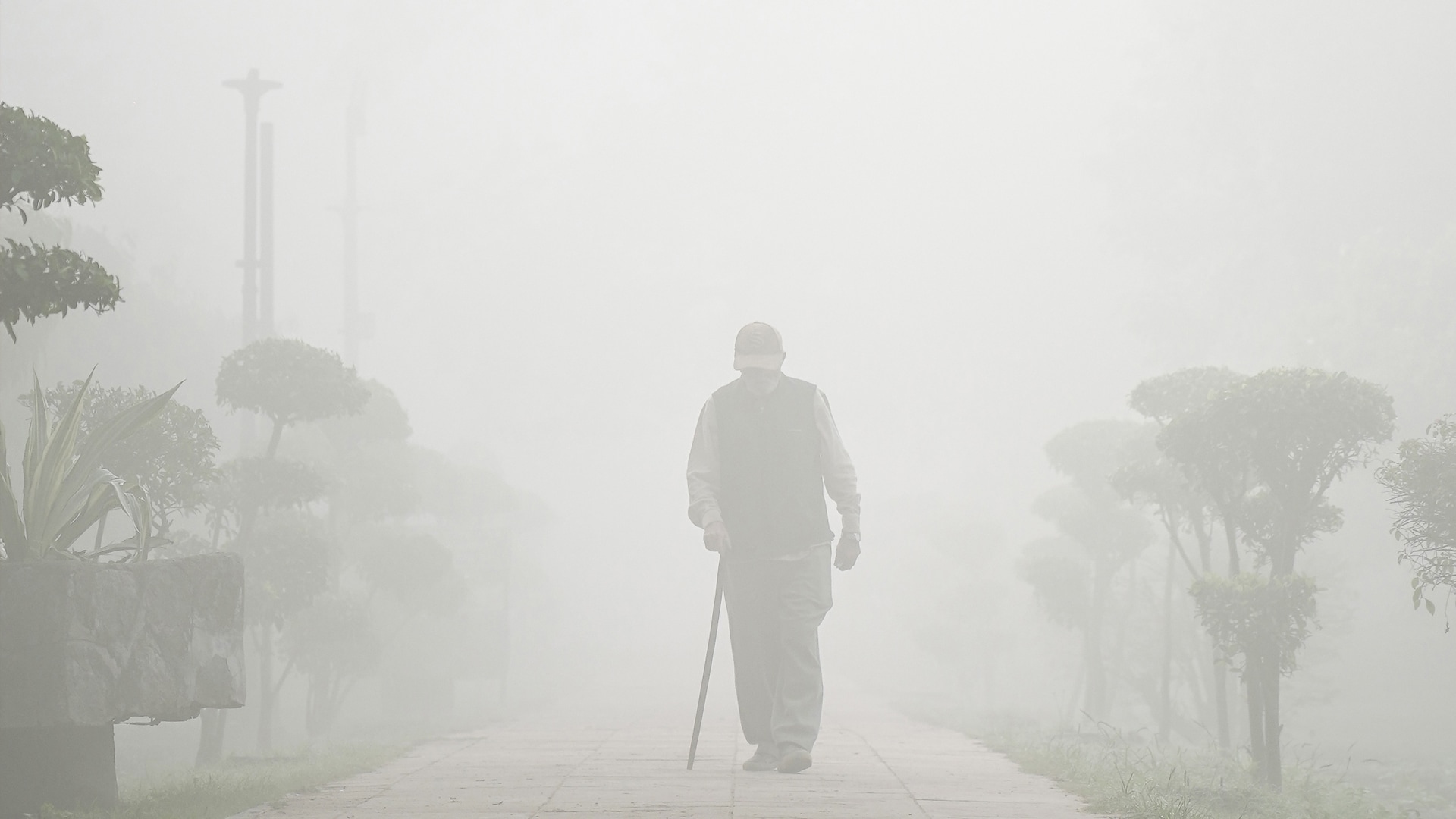
Signalling the beginning of Delhi's dreaded haze, pollution curbs under GRAP 1 have been imposed in the National Capital Region for the first time this season.
GRAP 1 restrictions come into force when the AQI is between 201 and 300 (which is categorised as 'Poor'), GRAP 2 restrictions when it is between 301 and 400 ('Very Poor'), GRAP 3 between 401 and 450 ('Severe') and GRAP 4 when the AQI crosses 450 ('Severe Plus').
The Commission for Air Quality Management (CAQM), which is tasked with controlling pollution in Delhi and its neighbouring areas, said the AQI was 244 at 2 pm.
READ | Delhi's Rs 104-Crore Bet On Private Firms To Cut Pollution At 40 Locations
"The Air Quality lndex (AQI) of Delhi which was observed at 179 ('Moderate' Category) on 20.10.2026, has exhibited a sharp rise with AQI of 244 at 02:00 PM on 21.10.2026 ('Poor' Category). Further, the forecast by IMD/IITM has also predicted AQI to remain in 'Poor' category in the coming days," the CAQM said in a statement.
Delhi Environment Minister Manjinder Singh Sirsa claimed this is the first time in years that GRAP has been implemented so late in the season.
“Delhi has been grappling with severe air pollution for several years. While the previous government continued to make excuses, we have adopted both short-term and long-term measures to tackle pollution. Public participation has played a crucial role in our efforts. We are implementing an 11-point action plan, with the Centre and the Delhi government working together to control pollution. Our focus is on dust mitigation, promoting electric vehicles, controlling vehicular emissions and identifying local pollution sources,” he said.
The Delhi Metro Rail Corporation, or DMRC, will be increasing train trips on weekdays, starting tomorrow, to combat pollution. It will also be intensifying anti-pollution drives at its construction sites and surrounding areas across the national capital.
Construction, Vehicular Curbs
Listing out some of the measures, Sirsa said vehicles without a valid Pollution Under Control (PUC) certificate will not get fuel, and parking charges will be doubled across Delhi, except at Metro parking facilities. Staggered working hours as well as work-from-home arrangements will also be introduced for the Municipal Corporation of Delhi and government offices to reduce vehicular movement.
READ | Crackdown On Yamuna Polluters In Delhi, 3 Illegal Dhobi Ghats Sealed
"Outdoor construction and demolition activities will face restrictions. Open burning is also strictly prohibited," the minister said, adding that 608 anti-smog guns and 1,150 mist-spray units have been deployed across Delhi to control dust pollution.
An Integrated Command and Control Centre (ICCC) has been established to monitor construction-related pollution and an AI-based traffic management system is being used to reduce vehicular emissions.
GRAP 1 measures entail periodic mechanised sweeping and sprinkling water on roads, dust mitigation at construction sites, proper waste management, strict checks on polluting vehicles, better traffic management, and emission control in industries, power plants, and brick kilns.
Published: October 21, 2026 15:24 IST
 Reported by Pallava Bagla | Thursday November 12, 2026 , New Delhi
All are hoping for rain that may wash away the toxic cloud hanging overhead. But the weather office ended that hope today, saying rain is unlikely in the plains. There might be some over the Himalayan region, but none is expected in Delhi, where the pollution has reached severe levels.
- Reported by Ankita Tiwari | Wednesday November 11, 2026 , New Delhi
According to a Centre for Science and Environment (CSE) report, the average PM2.5 concentration during the week before Diwali stood at 236 micrograms per cubic metre, almost double the 120 ug/m3 recorded in 2025. It was also the highest pre-Diwali average in three years.
- Wednesday November 11, 2026 , New Delhi
The transport sector is expected to be the largest contributor to pollution on Wednesday, while the impact of stubble burning is anticipated to increase on Thursday, potentially worsening air quality further over the next few days, according to Indian Institute of Tropical Meteorology models.
- Reported by Himanshu Shekhar Mishra, Edited by Anindita Sanyal | Wednesday November 11, 2026 , New Delhi
Air pollution in Delhi-NCR has worsened during the onset of winter (from October to mid-November) this year. This has been revealed in a new analysis by the Centre for Science and Environment or CSE, an organisation that monitors environmental issues.
- Written by Vishesh Nagar | Wednesday November 11, 2026
All 10 cities in the ranking fall under the 'Hazardous' category, with Bathinda recording the highest AQI, followed by Rewari and Faridkot.

................................ Advertisement ................................
Opinion | Delhi Has Every Pollution Control Policy - Except One That Works
Monday November 09, 2026Every November, Delhi performs the same ritual. We check the AQI before stepping outdoors, children are kept indoors, masks reappear, schools consider shutting, construction is restricted, and emergency meetings are convened. Politicians blame the weather, neighbouring states, farmers, or firecrackers. And then, as the season changes, the urgency d...
दीवाली की चौखट पर दिल्ली में सांसों का संकट: 30 साल की स्टडी ने हरियाली को लेकर क्या बताया?
Thursday November 05, 2026अध्ययन में हरियाली की मात्रा के साथ उसके फैलाव और आपसी जुड़ाव को भी महत्वपूर्ण पाया गया. जिन इलाकों में हरियाली ज्यादा बिखरी हुई थी, वहां सतही तापमान अधिक रहा. इसके विपरीत, बड़े और आपस में जुड़े हरित क्षेत्रों में तापमान कम पाया गया.
Opinion: Why Delhi's Smog Can't Be Fixed From SpaceDavid Fickling, Bloomberg
Monday October 19, 2026The clearest sign that Delhi is on a path to cleaner air would be a decline in the amount of paddy grown nearby, and therefore the acreage liable to be burned each year.
Don't Normalise Air Purifiers As Delhi Chokes | The Reason Why
Thursday December 11, 2025More than 90 cities in the world's top 100 polluting list are in India. With every passing year, the AQI is rising, reaching 'hazardous' levels.
Blog | Well Done, Delhi. You've Turned Lung Sacrifice Into A Badge Of HonourSaikat Kumar Bose
Monday November 10, 2025Till some years back, Delhiites would ask angry questions to those in power about the capitals annual tryst with toxic air. This has changed. Those in the driving seat dont see the need to answer now.



