


- Home/
- No Rain, No Relief: Weather Chief Dashes Pollution-Hit Delhi's Hopes
No Rain, No Relief: Weather Chief Dashes Pollution-Hit Delhi's Hopes
Reported by Pallava Bagla | Updated: November 12, 2026 00:43 IST
Highlights
- Northern plains face severe pollution with no rain forecast to clear the air in Delhi
- Western Disturbance may bring rain to Himalayas but not to the heavily polluted northern plains.
- Cloud seeding plans by IIT Kanpur and Delhi government face challenges due to unsuitable cloud type
New Delhi :
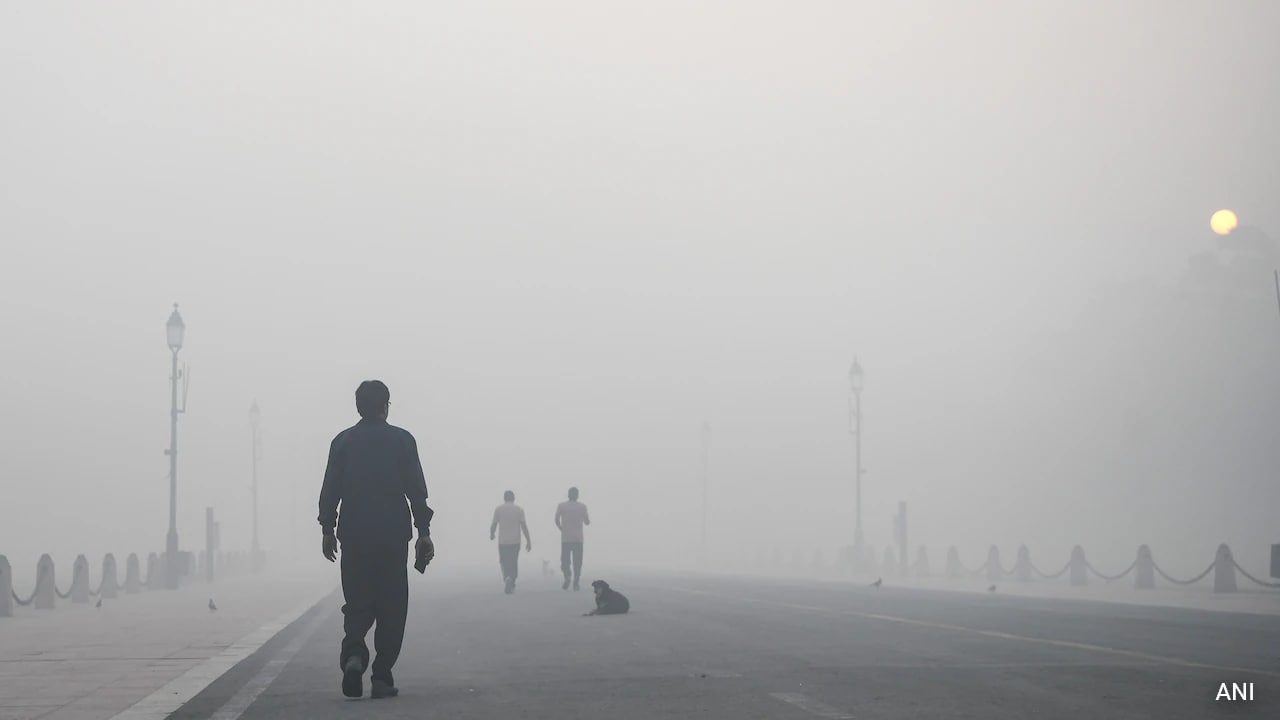
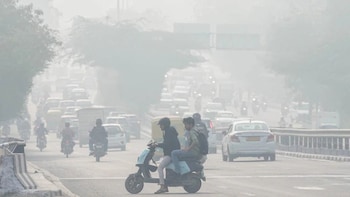
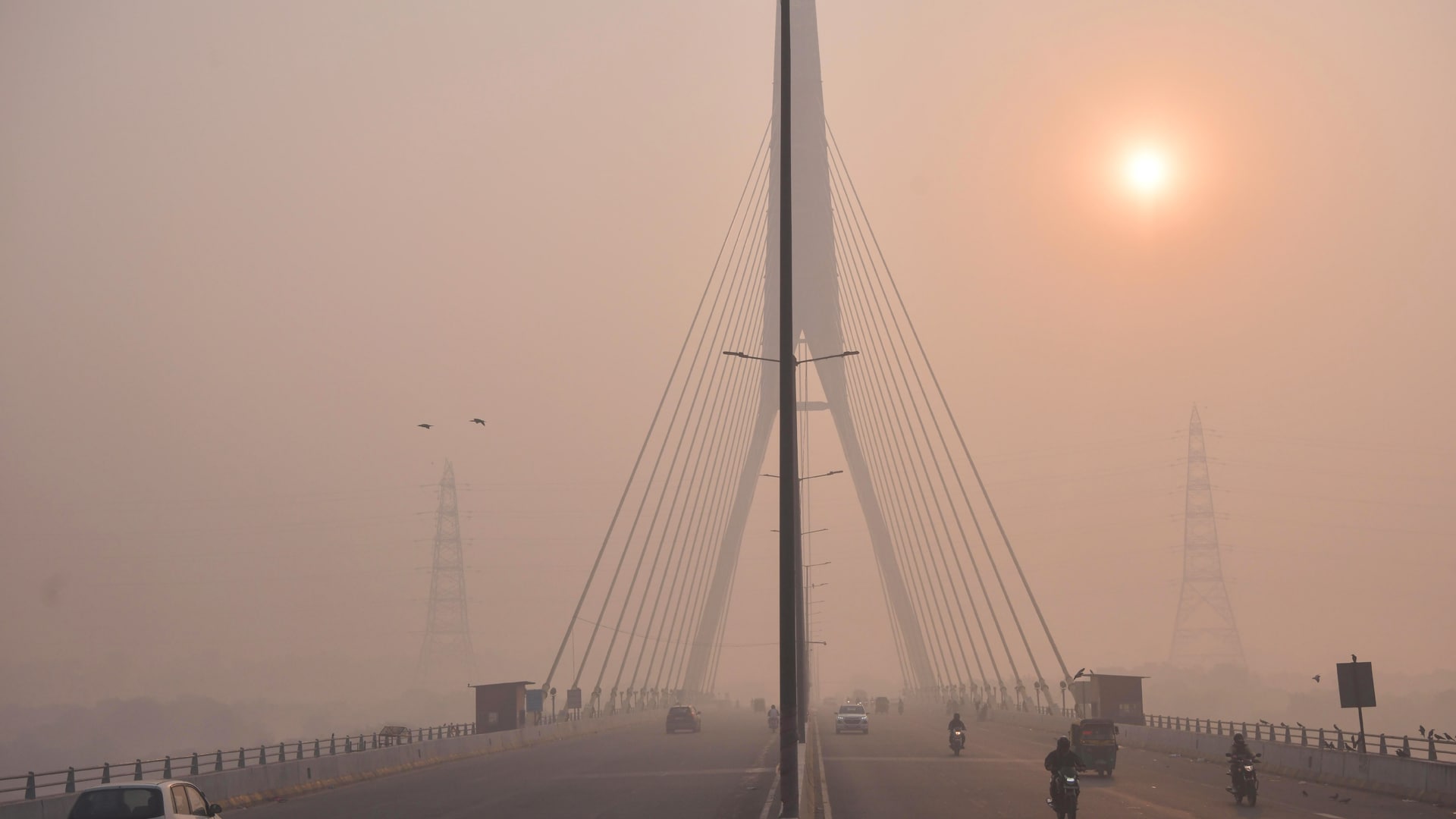
The northern plains are choking from pollution and a billion Indians living there are looking at the skies. All are hoping for rain that may wash away the toxic cloud hanging overhead. But the weather office ended that hope today, saying rain is unlikely in the plains. There might be some over the Himalayan region, but none is expected in Delhi, where the pollution has reached severe levels.
This also ruins the IIT Kanpur's cloud seeding plan, India Meteorological Department chief Dr Mrutyunjay Mohapatra, told NDTV.
Western Disturbance Coming But...
What is expected to bring rains over Himalayas is a Western disturbance -- a moisture-laden weather pattern that emerges from the Mediterranean Sea and comes from the west.
Mohapatra, however, told NDTV that it is unlikely to bring the kind of widespread rain needed to wash out the noxious haze over the Indo-Gangetic plains, including Delhi and its surrounding areas.
The Western Disturbance will bring rain and snowfall in Jammu and Kashmir, Himachal Pradesh and Uttarakhand. There might be some isolated rainfall over northern Punjab. Areas most affected by severe pollution across the plains are unlikely to receive significant rain, he said.
The forecast comes as air quality levels across much of northern India continue to hover in very poor and severe categories. Several cities across the Indo-Gangetic plain have recorded hazardous Air Quality Index levels in recent days as calm winds, cooler temperatures and atmospheric conditions trap pollutants close to the surface.
Mohapatra warned that a Western Disturbance accompanied by clouds but lacking meaningful rainfall can sometimes aggravate pollution.
Delhi could be overcast on November 12 and 13, but there will not be enough precipitation. "Once the Western Disturbance approaches, there will be moisture. But rain is not likely. I am talking about Delhi and neighbouring areas," Mohapatra said.
IIT Explores Cloud-Seeding
The possibility of a cloud seeding operation is being considered by researchers from the Indian Institute of Technology (IIT), Kanpur and the Delhi Government.
Dr Mohapatra, however, cautioned that the current weather conditions may not provide the right type of clouds needed for an effective operation.
"Cloudiness will be there. There will be partly cloudy skies," he said. But the expected cloud layers will be unsuitable, he said.
"It will be mainly medium and high clouds. It is not the convective cloud. Therefore, the yield (from cloud seeding) will be less," Dr Mohapatra said.
The assessment could prove significant because successful cloud seeding depends heavily on cloud structure, moisture content and atmospheric conditions. Without suitable convective clouds, even well-planned operations may produce only limited rainfall.
Will There Be A Cyclone?
Apart from the Western Disturbance, meteorologists are closely monitoring another developing weather system over the Bay of Bengal.
According to the IMD, a deep depression is expected to form around November 15 or 16, which could intensify into a cyclonic storm. Its eventual path remains uncertain as of now, but it offers some hope for the pollution-hit regions.
"There are two opinions now. One is that it may move towards Andhra Pradesh. The other that many models are suggesting, is that it will go towards Bangladesh," said Dr Mohapatra.
Should the system go towards Bangladesh and attain a more northerly position, it may help strengthen north-westerly winds over northwest India and the Indo Gangetic plain. Stronger winds are often capable of dispersing pollutants and preventing their accumulation near the surface.
Mohapatra said this is the only possible scenario that might help but it depends entirely on how the Bay of Bengal system evolves over the coming days.
For now, the IMD is forecasting generally calm or very light winds over northern India. "It will not support the dispersal of pollutants," Dr Mohapatra said.
Published: November 12, 2026 00:34 IST
also read
Why Delhi Looked Less Hazy This Diwali Despite Worse Air Quality
Reported by Ankita TiwariDelhi Air Quality Drops Back To 'Very Poor' Category, AQI At 313
Press Trust Of IndiaEven Before Diwali, Delhi-NCR Had Worse Pollution Levels Than Last Year: Study
Reported by Himanshu Shekhar Mishra, Edited by Anindita Sanyal
 Reported by Pallava Bagla | Thursday November 12, 2026 , New Delhi
All are hoping for rain that may wash away the toxic cloud hanging overhead. But the weather office ended that hope today, saying rain is unlikely in the plains. There might be some over the Himalayan region, but none is expected in Delhi, where the pollution has reached severe levels.
- Reported by Ankita Tiwari | Wednesday November 11, 2026 , New Delhi
According to a Centre for Science and Environment (CSE) report, the average PM2.5 concentration during the week before Diwali stood at 236 micrograms per cubic metre, almost double the 120 ug/m3 recorded in 2025. It was also the highest pre-Diwali average in three years.
- Wednesday November 11, 2026 , New Delhi
The transport sector is expected to be the largest contributor to pollution on Wednesday, while the impact of stubble burning is anticipated to increase on Thursday, potentially worsening air quality further over the next few days, according to Indian Institute of Tropical Meteorology models.
- Reported by Himanshu Shekhar Mishra, Edited by Anindita Sanyal | Wednesday November 11, 2026 , New Delhi
Air pollution in Delhi-NCR has worsened during the onset of winter (from October to mid-November) this year. This has been revealed in a new analysis by the Centre for Science and Environment or CSE, an organisation that monitors environmental issues.
- Written by Vishesh Nagar | Wednesday November 11, 2026
All 10 cities in the ranking fall under the 'Hazardous' category, with Bathinda recording the highest AQI, followed by Rewari and Faridkot.

................................ Advertisement ................................
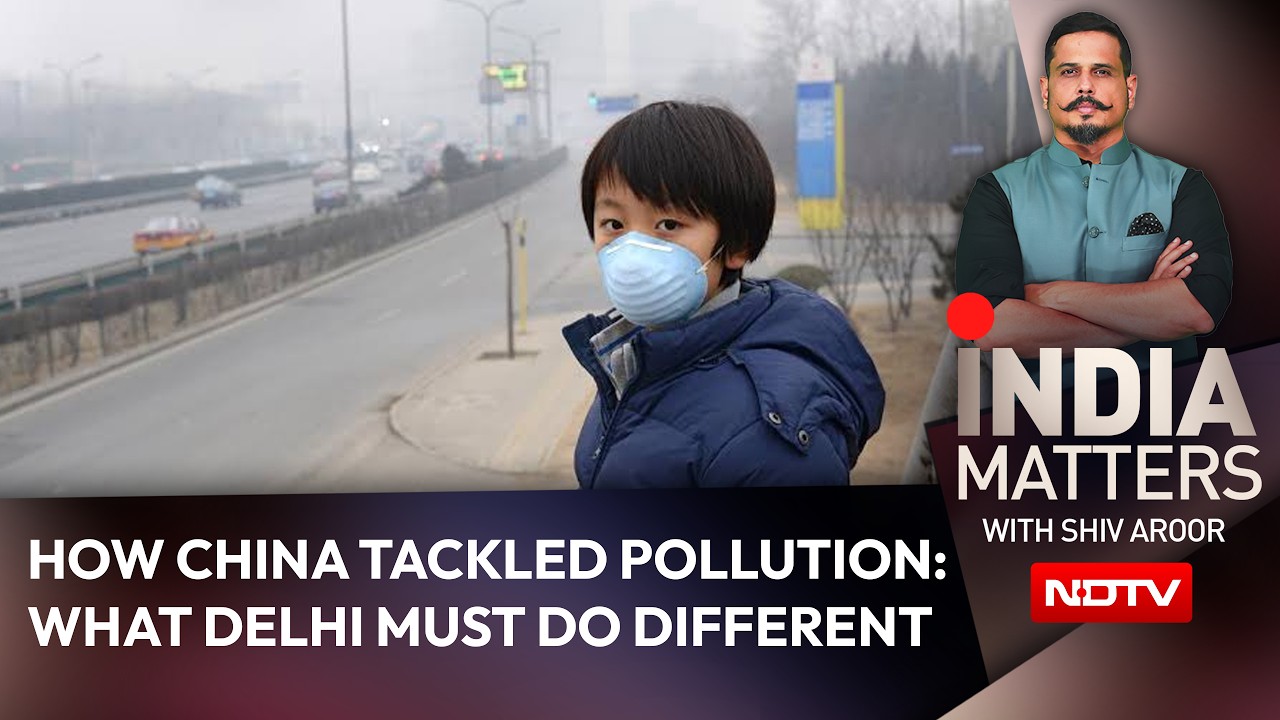
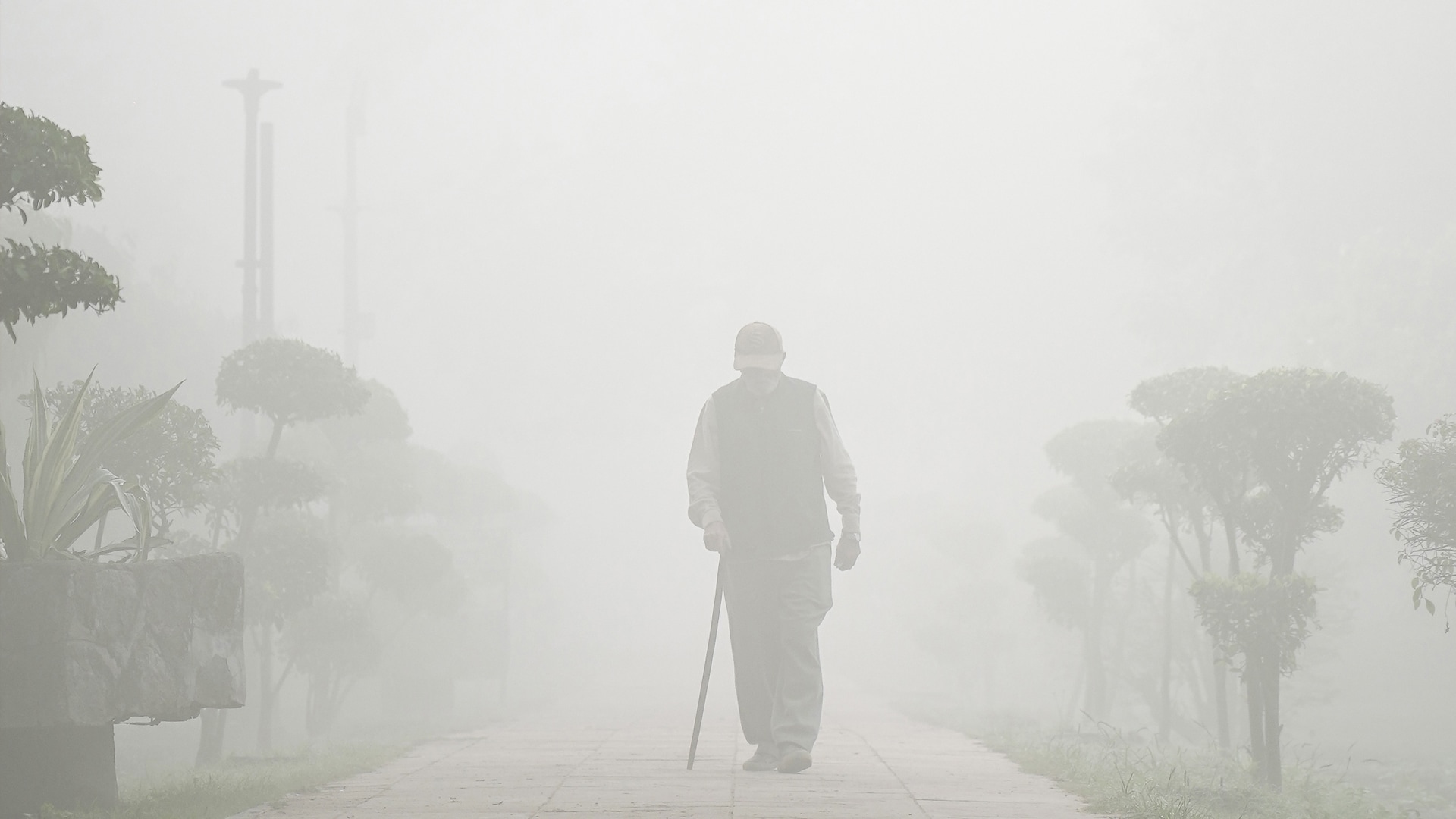
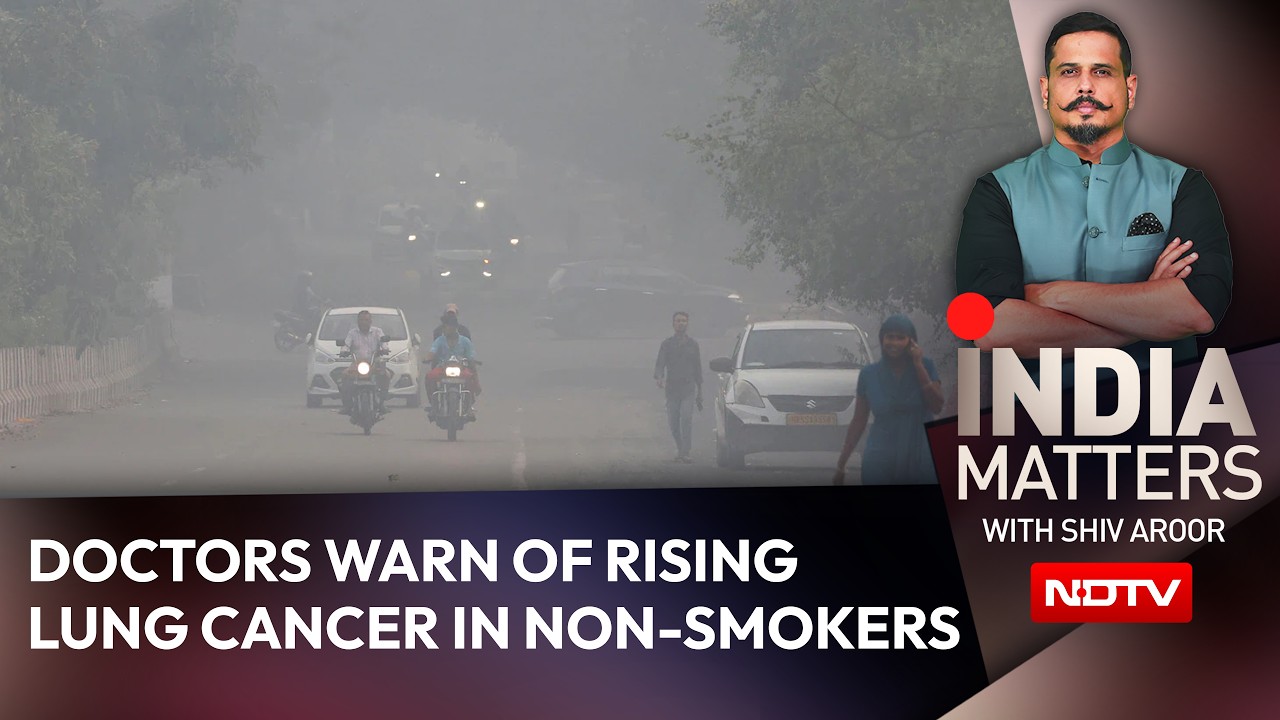
Opinion | Delhi Has Every Pollution Control Policy - Except One That Works
Monday November 09, 2026Every November, Delhi performs the same ritual. We check the AQI before stepping outdoors, children are kept indoors, masks reappear, schools consider shutting, construction is restricted, and emergency meetings are convened. Politicians blame the weather, neighbouring states, farmers, or firecrackers. And then, as the season changes, the urgency d...
दीवाली की चौखट पर दिल्ली में सांसों का संकट: 30 साल की स्टडी ने हरियाली को लेकर क्या बताया?
Thursday November 05, 2026अध्ययन में हरियाली की मात्रा के साथ उसके फैलाव और आपसी जुड़ाव को भी महत्वपूर्ण पाया गया. जिन इलाकों में हरियाली ज्यादा बिखरी हुई थी, वहां सतही तापमान अधिक रहा. इसके विपरीत, बड़े और आपस में जुड़े हरित क्षेत्रों में तापमान कम पाया गया.
Opinion: Why Delhi's Smog Can't Be Fixed From SpaceDavid Fickling, Bloomberg
Monday October 19, 2026The clearest sign that Delhi is on a path to cleaner air would be a decline in the amount of paddy grown nearby, and therefore the acreage liable to be burned each year.
Don't Normalise Air Purifiers As Delhi Chokes | The Reason Why
Thursday December 11, 2025More than 90 cities in the world's top 100 polluting list are in India. With every passing year, the AQI is rising, reaching 'hazardous' levels.
Blog | Well Done, Delhi. You've Turned Lung Sacrifice Into A Badge Of HonourSaikat Kumar Bose
Monday November 10, 2025Till some years back, Delhiites would ask angry questions to those in power about the capitals annual tryst with toxic air. This has changed. Those in the driving seat dont see the need to answer now.



