


- Home/
- Delhi's Toxic Winter Air May Carry Drug-Resistant Superbugs, Study Warns
Delhi's Toxic Winter Air May Carry Drug-Resistant Superbugs, Study Warns
Written by Shreya Goswami | Updated: January 07, 2026 11:26 IST
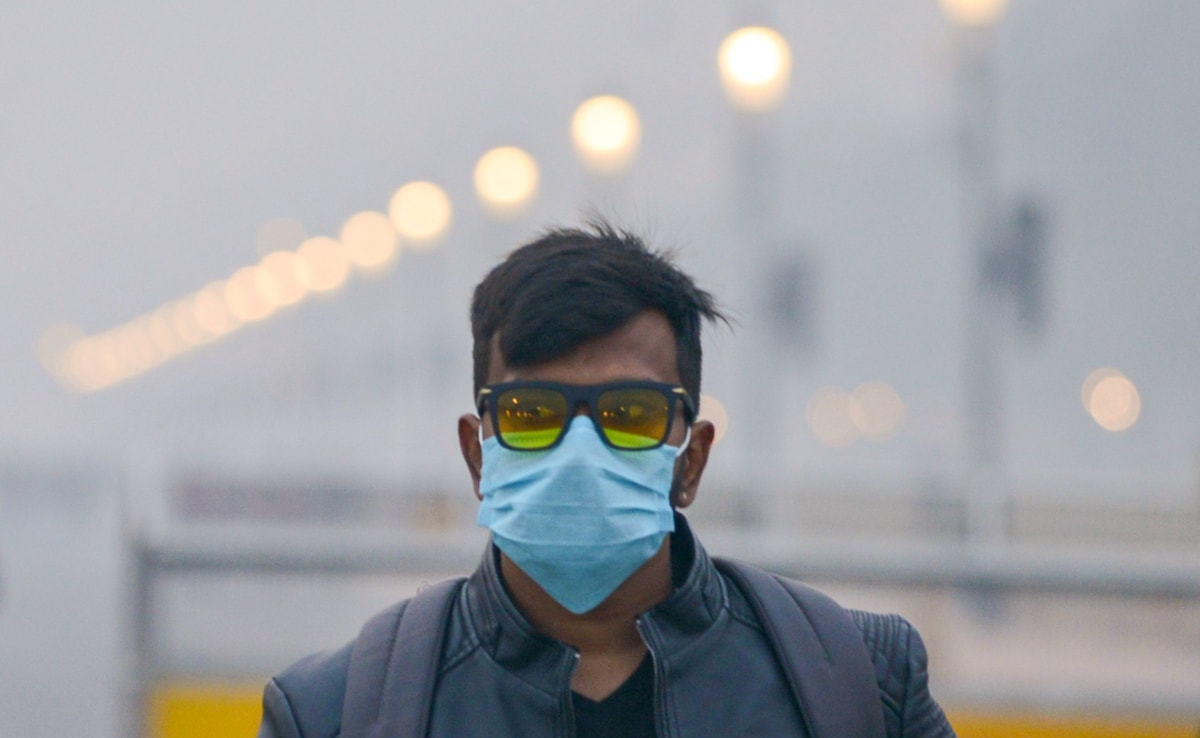
Delhi's long battle with poor air quality may now have added an even more alarming dimension. A new study from researchers at Jawaharlal Nehru University (JNU) reveals that the city's toxic winter smog is not just heavy with particulate pollution, it may also carry drug-resistant bacteria, or "superbugs", in both outdoor and indoor air. The research, published in Nature - Scientific Reports, found levels of airborne bacteria, particularly staphylococci, that exceed the World Health Organization's recommended exposure limits by more than 16-fold in some winter samples.
Many of these bacteria were methicillin-resistant and resistant to multiple antibiotic classes, raising concerns about the potential for hard-to-treat respiratory and systemic infections in people inhaling polluted air across the national capital.
This finding comes against the backdrop of Delhi's historic struggle with winter smog, seasonal peaks in particulate matter (PM2.5 and PM10) that not only aggravate asthma and cardiovascular disease but now may act as vehicles for antimicrobial resistance (AMR). Public health experts warn this adds a new layer of threat to residents already coping with some of the worst air pollution in the world.
Delhi's Air and Superbugs: What the Study Found
1. Airborne Bacteria Far Above Safe Limits
The JNU study collected air samples from indoor and outdoor urban environments across multiple Delhi locations, including markets, residential areas and even a sewage treatment plant. Across all seasons, researchers detected staphylococcal bacteria concentrations far above the WHO safety threshold of 1,000 colony-forming units (CFU) per cubic metre, in winter rising to over 16,000 CFU/m3.
This indicates that Delhi's atmosphere carries a microbial load far heavier than what is considered safe for human exposure, especially during the winter months when smog traps pollutants and bioaerosols close to ground level.
2. Drug Resistance: A Serious Public Health Concern
Perhaps the most concerning aspect of the study was the antibiotic resistance profile of the bacteria. Researchers identified methicillin-resistant staphylococci (MRS), many of which showed multidrug resistance (MDR) to several frontline antibiotic classes such as macrolides, beta-lactams and gentamicin.
Genotypic tests confirmed the presence of antibiotic resistance genes (ARGs), including mecA, which is linked to methicillin resistance, a hallmark of tough-to-treat bacterial strains.
Also Read: What Are Superbugs? The Bacteria Behind India's Antibiotic Resistance Crisis, Explained
Why Winter Pollution Elevates the Risk
The study noted that drug-resistant bacteria levels peaked in winter, correlating with the season's notorious smog episodes. Several environmental factors likely contribute:
- Poor dispersion of air during winter traps pollutants and microbes near the ground.
- High particulate matter levels provide surfaces that bacteria can adhere to, aiding their survival and transport.
- Lower humidity and cooler temperatures help some microbes persist longer in airborne form.
In contrast, monsoon rains appeared to wash away outdoor bacterial contamination, reducing airborne loads significantly during the wet season.
Health Implications of Airborne Superbugs
Breathing in antibiotic-resistant bacteria does not automatically guarantee infection, but it increases the chance that exposure could lead to difficult-to-treat infections, especially if the bacteria enter the body through respiratory tracts or wounds.
Those most at risk include:
- Children and infants whose immune systems are still developing
- Elderly individuals with weaker immunity
- People with chronic lung diseases such as asthma or COPD
- Individuals with compromised immune systems
- Persons with open wounds or recent surgeries
For these groups, contact with resistant bacteria can lead to serious infections that respond poorly to standard antibiotic therapy, complicating treatment and increasing hospitalisation risks.
Also Read: Severe AQI And Air Pollution: 10 Dangerous Myths That Are Harming You Daily
Public Health and Policy Challenges
Antimicrobial resistance (AMR) is already recognised as one of the most pressing global health threats. Traditionally tracked through clinical infections and hospital data, this study highlights that the environment itself, particularly polluted urban air, may serve as a reservoir and vector for resistance.
Researchers recommend:
- Systematic environmental monitoring of antibiotic-resistant microbes
- Inclusion of AMR surveillance in air quality data
- Integrated public health strategies that address pollution, antibiotic misuse and waste management together
The JNU study's findings represent a stark warning: Delhi's toxic winter air is not only laden with particles that harm the heart and lungs, but it may also carry drug-resistant bacteria capable of complicating infections and undermining antibiotic treatments. As air pollution continues to impact millions of residents each year, understanding and mitigating this newly highlighted microbial risk must become part of the city's public health strategy. Comprehensive monitoring, cleaner air initiatives and prudent antibiotic use remain crucial to safeguarding health in one of the world's most polluted capitals.
Disclaimer: This content, including advice, provides generic information only. It is in no way a substitute for a qualified medical opinion. Always consult a specialist or your own doctor for more information.
Published: January 07, 2026 11:18 IST
also read
Delhi AQI: Is Toxic Air Making You Tired? Impact Of Air Pollution On Energy, Sleep And Concentration
Written by Debosmita GhoshHeavy Chest In The Morning Amid High AQI: Why It Happens And How To Get Relief
Written by Sambhav KumarIt's Not Just AQI: Why Tiny Particulate Matter Poses A Bigger Health Risk
Written by Sneha Mordani, Edited by Sambhav Kumar
 Delhi AQI: Is Toxic Air Making You Tired? Impact Of Air Pollution On Energy, Sleep And ConcentrationWritten by Debosmita Ghosh | Wednesday November 11, 2026
Fine particles such as PM2.5 can enter deep into the lungs and lead to inflammation and oxidative stress in the body. Prolonged exposure may also affect the cardiovascular system and overall physical health.
- Written by Niharika Raj | Wednesday November 11, 2026
A Pakistani air quality body has found no evidence linking Lahore's post-Diwali smog to fireworks in India, pointing instead to thousands of crop-residue fires in Pakistan's own Punjab.
- Written by Sambhav Kumar | Wednesday November 11, 2026
Morning chest heaviness should not automatically be attributed to air pollution. Persistent or worsening symptoms warrant medical evaluation, particularly if accompanied by coughing, wheezing or breathlessness.
- Edited by Sanstuti Nath | Wednesday November 11, 2026 , Islamabad
The Pakistan report said the available evidence did not support attributing Lahore's poor air quality after Diwali to fireworks across the border.
- Written by Sneha Mordani , Edited by Sambhav Kumar | Wednesday November 11, 2026
India should retain the AQI for public advisories but must publish uncapped PM2.5 and PM10 concentrations alongside it. An index may have a ceiling. Pollution does not.


................................ Advertisement ................................





Opinion | Delhi Has Every Pollution Control Policy - Except One That Works
Monday November 09, 2026Every November, Delhi performs the same ritual. We check the AQI before stepping outdoors, children are kept indoors, masks reappear, schools consider shutting, construction is restricted, and emergency meetings are convened. Politicians blame the weather, neighbouring states, farmers, or firecrackers. And then, as the season changes, the urgency d...
दीवाली की चौखट पर दिल्ली में सांसों का संकट: 30 साल की स्टडी ने हरियाली को लेकर क्या बताया?
Thursday November 05, 2026अध्ययन में हरियाली की मात्रा के साथ उसके फैलाव और आपसी जुड़ाव को भी महत्वपूर्ण पाया गया. जिन इलाकों में हरियाली ज्यादा बिखरी हुई थी, वहां सतही तापमान अधिक रहा. इसके विपरीत, बड़े और आपस में जुड़े हरित क्षेत्रों में तापमान कम पाया गया.
Opinion: Why Delhi's Smog Can't Be Fixed From SpaceDavid Fickling, Bloomberg
Monday October 19, 2026The clearest sign that Delhi is on a path to cleaner air would be a decline in the amount of paddy grown nearby, and therefore the acreage liable to be burned each year.
Don't Normalise Air Purifiers As Delhi Chokes | The Reason Why
Thursday December 11, 2025More than 90 cities in the world's top 100 polluting list are in India. With every passing year, the AQI is rising, reaching 'hazardous' levels.
Blog | Well Done, Delhi. You've Turned Lung Sacrifice Into A Badge Of HonourSaikat Kumar Bose
Monday November 10, 2025Till some years back, Delhiites would ask angry questions to those in power about the capitals annual tryst with toxic air. This has changed. Those in the driving seat dont see the need to answer now.



