


- Home/
- Delhi's Winter Pollution Curbs Are Back. Do They Actually Work?
Delhi's Winter Pollution Curbs Are Back. Do They Actually Work?
Reported by Ankita Tiwari | Updated: October 27, 2026 18:36 IST
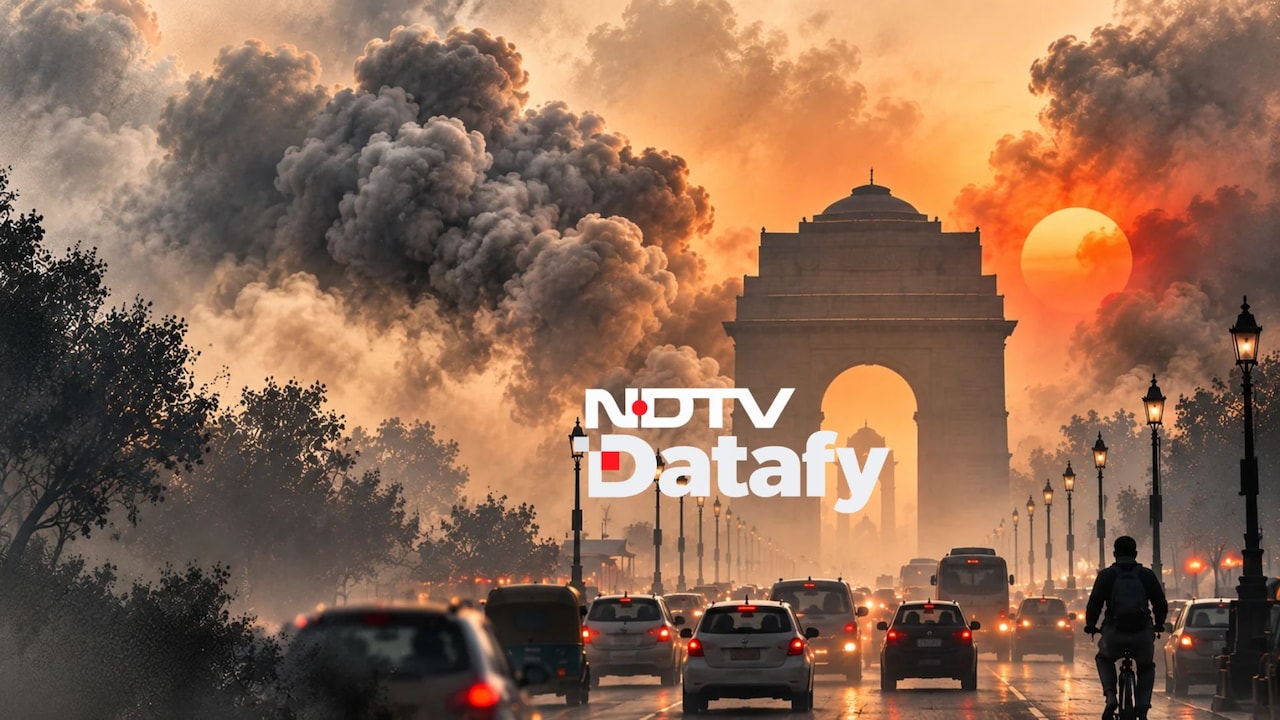
Of the seven episodes, five showed a significant fall in AQI.
Highlights
- Delhi's air quality often improves after Stage IV of the Graded Response Action Plan
- Vehicle restrictions under Stage IV limit emissions from petrol and diesel vehicles and trucks
- Some episodes show AQI drops after restrictions, but increases have also been recorded
New Delhi: 
Every winter, Delhi's air worsens, restrictions follow, and the question returns: do they make any difference? Past episodes suggest that the strictest curbs have often been followed by a fall in pollution, though not every time.
On October 21, the Commission for Air Quality Management brought Stage I of the Graded Response Action Plan into force in Delhi and the National Capital Region. If pollution levels rise further, stricter restrictions may follow. The government has begun taking steps to control pollution, but the problem returns every year.
Do The Restrictions Help?
Past episodes show that Delhi's AQI has often fallen after Stage IV of the plan was imposed. On 17 January 2026, the AQI stood at 400. It dropped to 192 within a week. In November 2023, it fell from 454 to 218 over the same period.
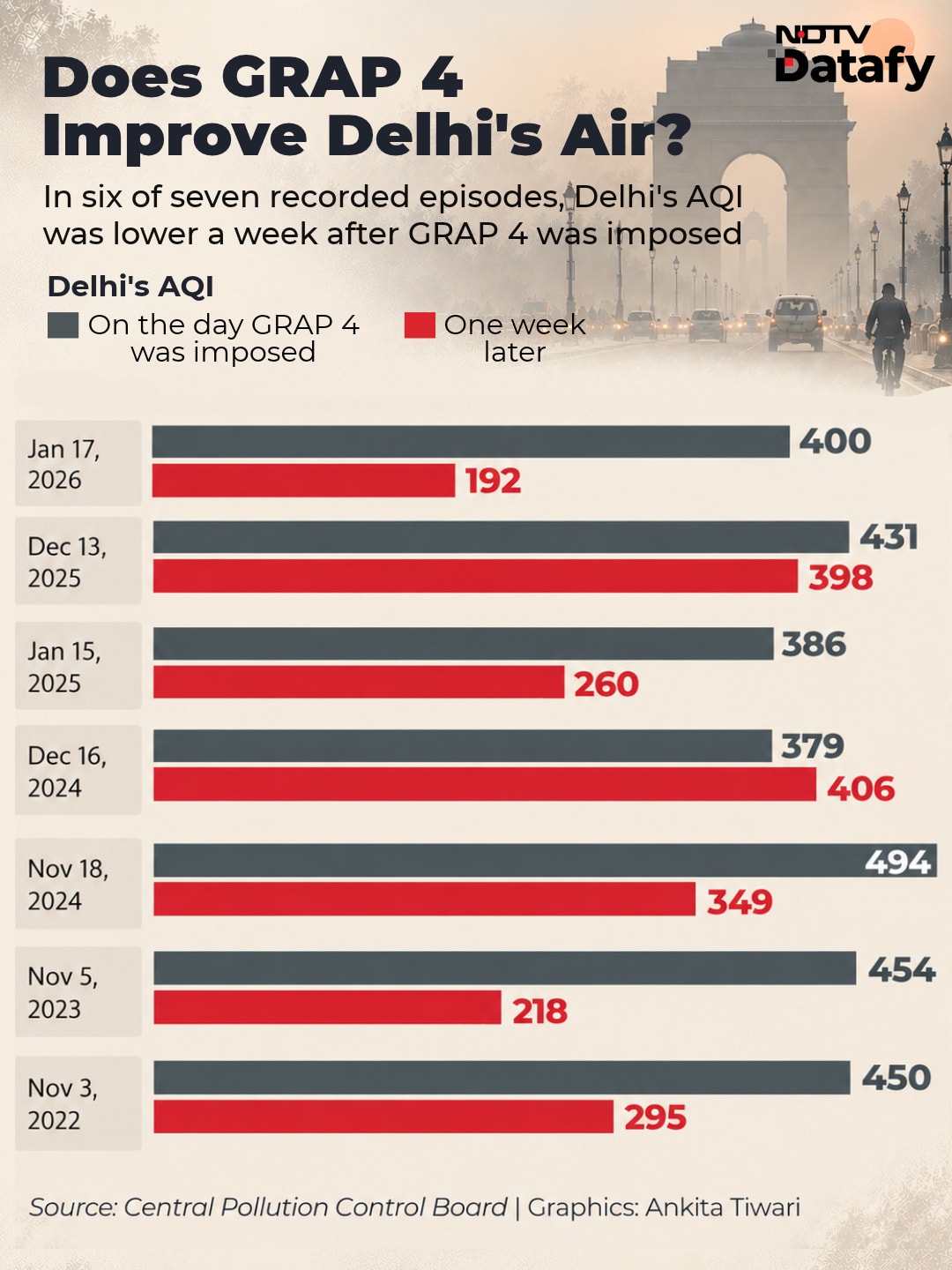
However, the restrictions alone may not be enough to control pollution, as several factors contribute to Delhi's poor air quality. In December 2024, for instance, the AQI rose from 379 to 406 in the week after Stage IV came into force.
Beyond Stubble Burning
Stubble burning often becomes the focus of the pollution debate every winter. But data from the Ministry of Earth Sciences' Decision Support System show that it is only one part of the problem.
Pollution from cities around Delhi was the biggest contributor to the city's PM2.5 pollution, at 37 per cent. The Capital will prohibit the entry of vehicles below Bharat Stage VI emission standards from 1 November to 31 January 2027.
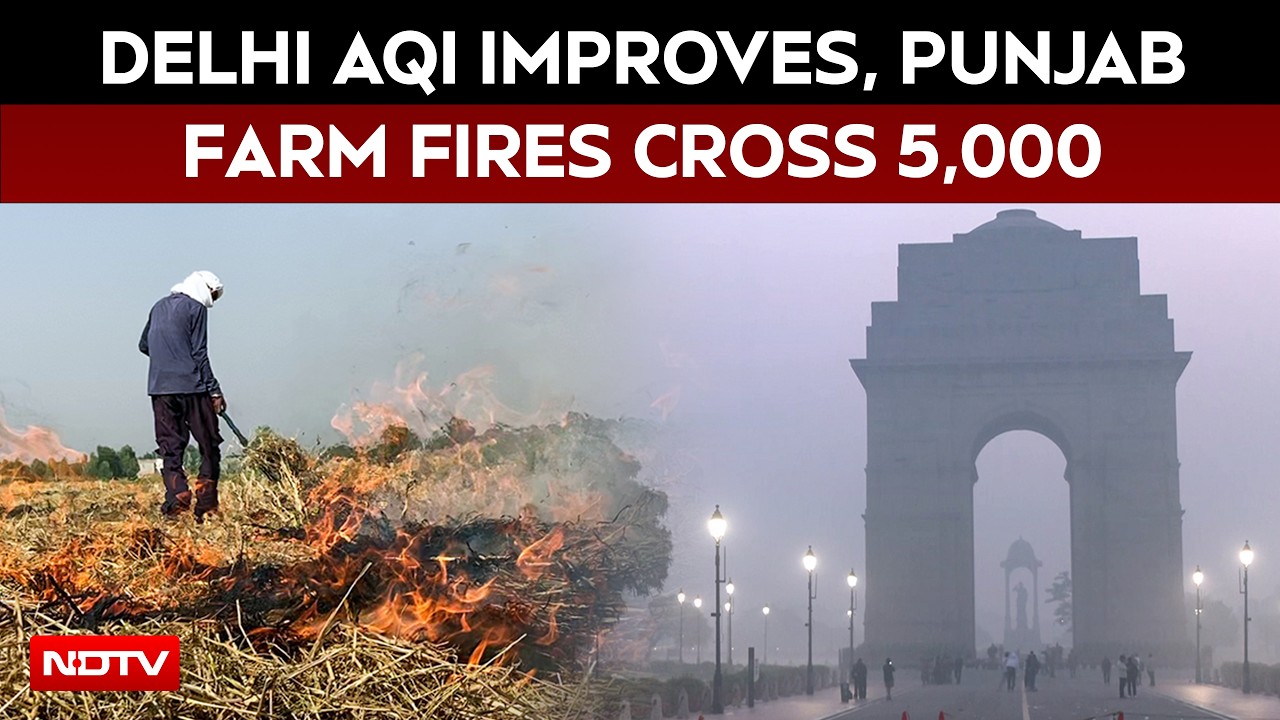
READ | Farm Fires Are Rising: How Much Do They Add To Delhi's Pollution?
Vehicles were the second-biggest contributor at 20.8 per cent, while stubble burning contributed 10.9 per cent.
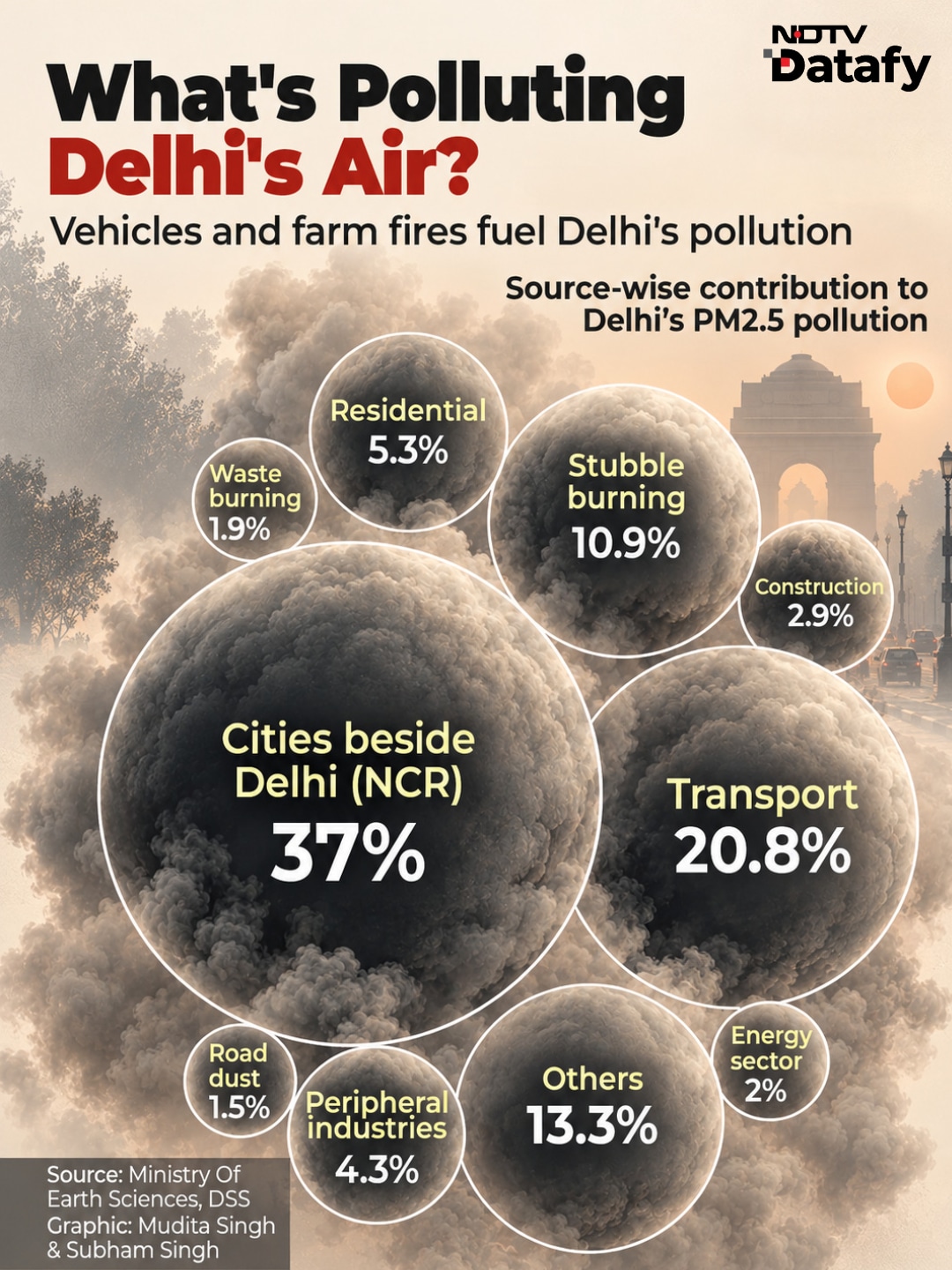
This means pollution from the wider region and from transport was a bigger contributor than farm fires. Stage IV appeared to work in most of the cases we analysed.
Of the seven episodes, five showed a significant fall in AQI. One showed only a small change: in December 2025, it declined by just 33 points, from 431 to 398. In one episode, the AQI increased.
READ | At 15 Degrees, Delhi Records October's Lowest Minimum Temperature In 3 Years
Why Stage IV May Work
Why did Stage IV work in most cases? One reason could be its restrictions on certain petrol and diesel vehicles and trucks. These restrictions can help limit vehicle emissions, which can in turn help control pollution.
Published: October 27, 2026 18:36 IST
also read
Pakistan's Own Agency Busts Its 'Diwali Firework' Pollution Theory As AQI Crosses 600
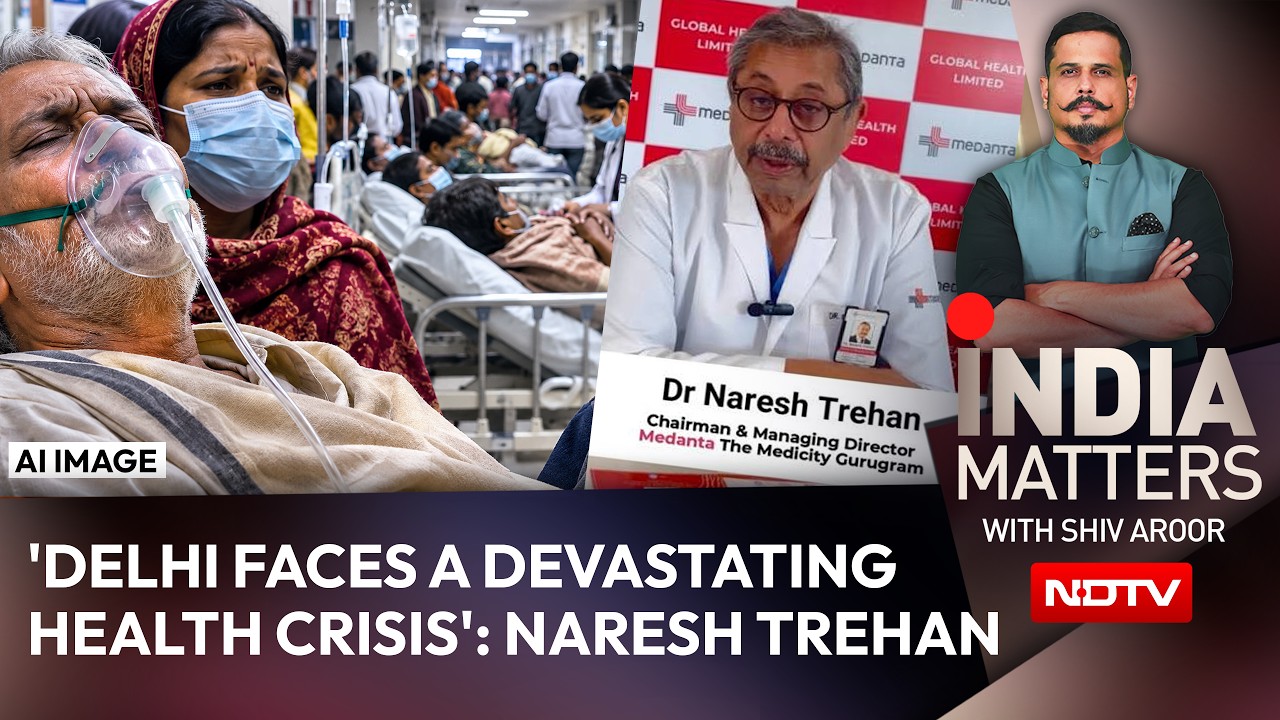
Edited by Sanstuti NathAir Pollution Is As Big A Public Health Emergency As COVID: Former WHO Chief
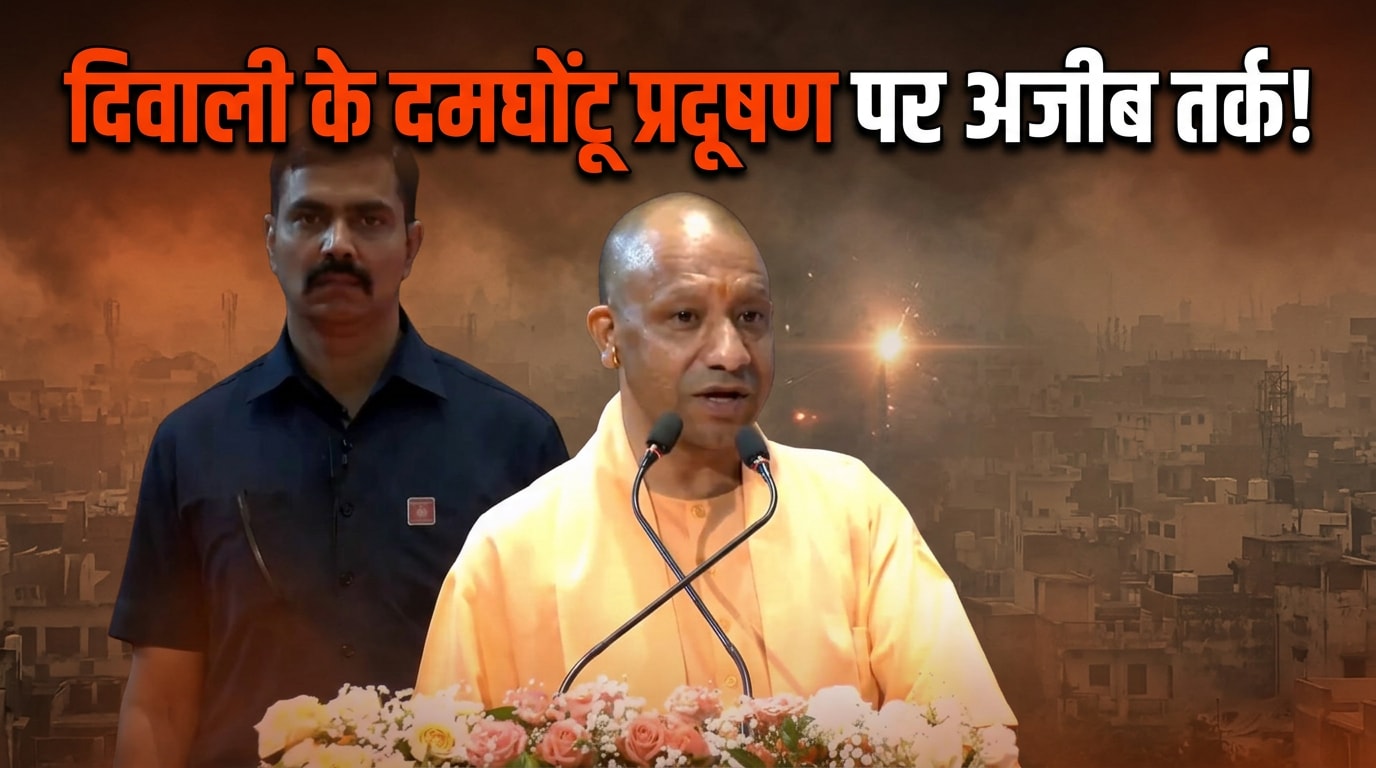
Reported by Vedika Sud Sachdeva, Edited by Aastha Ahuja'Pollution Subsides': Yogi Adityanath Defends Bursting Of Crackers On Diwali
Edited by Debanish Achom
- Edited by Sanstuti Nath | Wednesday November 11, 2026 , Islamabad
The Pakistan report said the available evidence did not support attributing Lahore's poor air quality after Diwali to fireworks across the border.
- Written by Sneha Mordani , Edited by Sambhav Kumar | Wednesday November 11, 2026
India should retain the AQI for public advisories but must publish uncapped PM2.5 and PM10 concentrations alongside it. An index may have a ceiling. Pollution does not.
- Reported by Vedika Sud Sachdeva, Edited by Aastha Ahuja | Wednesday November 11, 2026 , New Delhi
In an exclusive interview with NDTV, former WHO Chief Dr Soumya Swaminathan detailed how we are sacrificing the health of an entire generation by simply ignoring the irreversible damage caused by pollution.
- Written by Debosmita Ghosh | Wednesday November 11, 2026
The WHO recommends an annual average concentration of no more than 5 micrograms per cubic metre for PM2.5 and 10 micrograms per cubic metre for nitrogen dioxide.
- Edited by Debanish Achom | Wednesday November 11, 2026 , New Delhi
UP Chief Minister Yogi Adityanath said his government had imposed no restrictions on Diwali celebrations and had instead encouraged people to observe the festival "wholeheartedly"

................................ Advertisement ................................

Opinion | Delhi Has Every Pollution Control Policy - Except One That Works
Monday November 09, 2026Every November, Delhi performs the same ritual. We check the AQI before stepping outdoors, children are kept indoors, masks reappear, schools consider shutting, construction is restricted, and emergency meetings are convened. Politicians blame the weather, neighbouring states, farmers, or firecrackers. And then, as the season changes, the urgency d...
दीवाली की चौखट पर दिल्ली में सांसों का संकट: 30 साल की स्टडी ने हरियाली को लेकर क्या बताया?
Thursday November 05, 2026अध्ययन में हरियाली की मात्रा के साथ उसके फैलाव और आपसी जुड़ाव को भी महत्वपूर्ण पाया गया. जिन इलाकों में हरियाली ज्यादा बिखरी हुई थी, वहां सतही तापमान अधिक रहा. इसके विपरीत, बड़े और आपस में जुड़े हरित क्षेत्रों में तापमान कम पाया गया.
Opinion: Why Delhi's Smog Can't Be Fixed From SpaceDavid Fickling, Bloomberg
Monday October 19, 2026The clearest sign that Delhi is on a path to cleaner air would be a decline in the amount of paddy grown nearby, and therefore the acreage liable to be burned each year.
Don't Normalise Air Purifiers As Delhi Chokes | The Reason Why
Thursday December 11, 2025More than 90 cities in the world's top 100 polluting list are in India. With every passing year, the AQI is rising, reaching 'hazardous' levels.
Blog | Well Done, Delhi. You've Turned Lung Sacrifice Into A Badge Of HonourSaikat Kumar Bose
Monday November 10, 2025Till some years back, Delhiites would ask angry questions to those in power about the capitals annual tryst with toxic air. This has changed. Those in the driving seat dont see the need to answer now.



