Air pollution could be responsible for millions of preventable deaths every year, particularly in low- and middle-income countries. A new study by researchers from the University of Cambridge has found that meeting the World Health Organization's (WHO) recommended air quality levels could prevent or postpone more than nine million deaths annually across 136 low- and middle-income countries. The study, published in the journal Environment International, examined the health and economic benefits of reducing exposure to two major pollutants: fine particulate matter (PM2.5) and nitrogen dioxide (NO2).
The researchers found that cleaner air can not only reduce premature deaths but also lower the burden of diseases such as heart disease, stroke, chronic obstructive pulmonary disease (COPD) and dementia. It can also reduce healthcare costs and productivity losses.
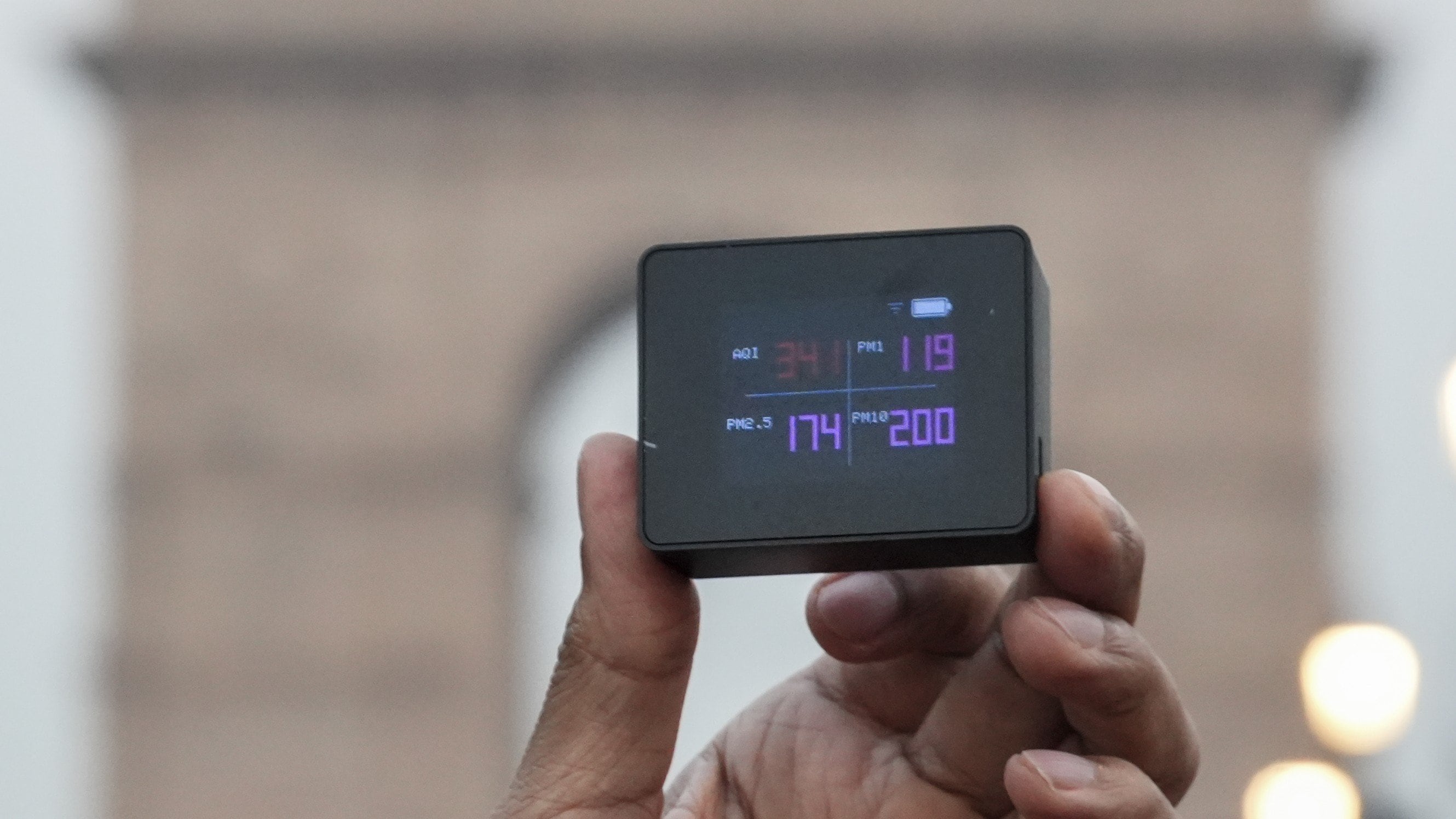
The WHO recommends an annual average concentration of no more than 5 micrograms per cubic metre for PM2.5 and 10 micrograms per cubic metre for nitrogen dioxide.
PM2.5 refers to extremely small particles measuring 2.5 microns or less in diameter. Since they are extremely tiny, they can travel deep into the lungs after being inhaled. These particles can come from vehicle emissions, power plants, industrial activity, construction dust and burning fuels.
NO2, on the other hand, is another important air pollutant and is mainly produced when fossil fuels are burned. Vehicle exhaust, particularly from diesel vehicles, industrial emissions and gas stoves and heaters are its sources.
The researchers analysed air pollution, population and health data from 136 low- and middle-income countries and combined this with existing evidence linking pollution exposure with disease and death.
Their study suggested that bringing PM2.5 concentrations down to the WHO's recommended air quality guideline level could prevent or postpone about 9.4 million deaths every year across the countries studied. Reducing NO2 exposure to the WHO guideline level could prevent or postpone another 1.1 million deaths annually.
The researchers also examined what could happen if countries achieved the WHO's less stringent interim targets. Even this level of improvement could have a major effect, with around 6.6 million fewer deaths linked to PM2.5 and 4,35,000 fewer deaths associated with NO2.
The health benefits of cleaner air would go beyond preventing deaths. The study estimated that meeting WHO's PM2.5 guideline could result in around 2.8 million fewer new cases of COPD, 1.1 million fewer cases of dementia, 7.3 million fewer cases of coronary heart disease and 2.3 million fewer cases of stroke in a year.
This is because air pollution does not affect only the respiratory system. Fine particles can enter the lungs and lead to inflammation and impact processes of the blood vessels and the cardiovascular system. Long-term exposure has been linked to several serious conditions, including coronary heart disease, stroke, asthma, COPD and dementia.
The study found that achieving WHO air quality targets could have significant economic benefits in addition to the health gains. Researchers estimated that meeting the PM2.5 guideline could result in annual direct medical cost savings of about $11.8 billion for coronary heart disease, $5.9 billion for stroke and $8.6 billion for dementia.
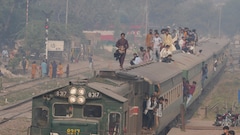
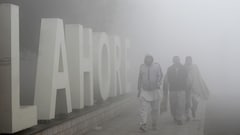
The researchers said the burden of air pollution is particularly high in low- and middle-income countries. Rapid urbanisation, economic development and increasing dependence on cars and other motor vehicles have added to the worsening outdoor air quality in many of these countries.
Dr Annalan Navaratnam, Clinical Research Fellow at IMS Epidemiology, University of Cambridge, said tackling air pollution could have a major effect on quality of life and the number of early deaths.
"For the first time, we've been able to model the potential benefits of the WHO's clean air guidelines across countries with the highest levels of outdoor air pollution, both in terms of the millions of lives that could be saved every year and the potential economic and societal benefits," Navaratnam said.
According to the researchers, meeting WHO guidelines will not be easy, particularly in countries experiencing rapid population growth and urbanisation. However, they said decisions related to transport, urban planning and energy could play an important role in improving the air people breathe.
Dr Haneen Khreis from IMS Epidemiology, University of Cambridge, said cleaner air could help countries build healthier populations without sacrificing economic development.
The findings highlight that reducing air pollution is not only an environmental goal. It could also be a major public health measure which can potentially prevent millions of premature deaths and reduce the economic burden of pollution-related diseases every year.
Disclaimer: This content including advice provides generic information only. It is in no way a substitute for a qualified medical opinion. Always consult a specialist or your own doctor for more information. NDTV does not claim responsibility for this information.
Delhi AQI: Is Toxic Air Making You Tired? Impact Of Air Pollution On Energy, Sleep And Concentration
Written by Debosmita GhoshHeavy Chest In The Morning Amid High AQI: Why It Happens And How To Get Relief
Written by Sambhav KumarIt's Not Just AQI: Why Tiny Particulate Matter Poses A Bigger Health Risk
Written by Sneha Mordani, Edited by Sambhav KumarFine particles such as PM2.5 can enter deep into the lungs and lead to inflammation and oxidative stress in the body. Prolonged exposure may also affect the cardiovascular system and overall physical health.
A Pakistani air quality body has found no evidence linking Lahore's post-Diwali smog to fireworks in India, pointing instead to thousands of crop-residue fires in Pakistan's own Punjab.
Morning chest heaviness should not automatically be attributed to air pollution. Persistent or worsening symptoms warrant medical evaluation, particularly if accompanied by coughing, wheezing or breathlessness.
The Pakistan report said the available evidence did not support attributing Lahore's poor air quality after Diwali to fireworks across the border.
India should retain the AQI for public advisories but must publish uncapped PM2.5 and PM10 concentrations alongside it. An index may have a ceiling. Pollution does not.

................................ Advertisement ................................

Opinion | Delhi Has Every Pollution Control Policy - Except One That Works
Monday November 09, 2026Every November, Delhi performs the same ritual. We check the AQI before stepping outdoors, children are kept indoors, masks reappear, schools consider shutting, construction is restricted, and emergency meetings are convened. Politicians blame the weather, neighbouring states, farmers, or firecrackers. And then, as the season changes, the urgency d...
दीवाली की चौखट पर दिल्ली में सांसों का संकट: 30 साल की स्टडी ने हरियाली को लेकर क्या बताया?
Thursday November 05, 2026अध्ययन में हरियाली की मात्रा के साथ उसके फैलाव और आपसी जुड़ाव को भी महत्वपूर्ण पाया गया. जिन इलाकों में हरियाली ज्यादा बिखरी हुई थी, वहां सतही तापमान अधिक रहा. इसके विपरीत, बड़े और आपस में जुड़े हरित क्षेत्रों में तापमान कम पाया गया.
Opinion: Why Delhi's Smog Can't Be Fixed From SpaceDavid Fickling, Bloomberg
Monday October 19, 2026The clearest sign that Delhi is on a path to cleaner air would be a decline in the amount of paddy grown nearby, and therefore the acreage liable to be burned each year.
Don't Normalise Air Purifiers As Delhi Chokes | The Reason Why
Thursday December 11, 2025More than 90 cities in the world's top 100 polluting list are in India. With every passing year, the AQI is rising, reaching 'hazardous' levels.
Blog | Well Done, Delhi. You've Turned Lung Sacrifice Into A Badge Of HonourSaikat Kumar Bose
Monday November 10, 2025Till some years back, Delhiites would ask angry questions to those in power about the capitals annual tryst with toxic air. This has changed. Those in the driving seat dont see the need to answer now.