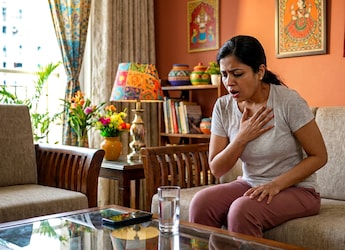
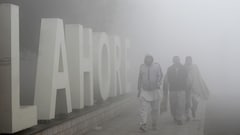
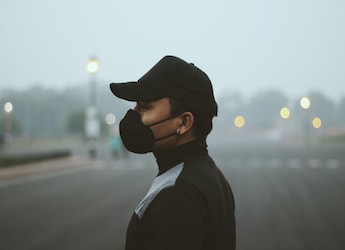
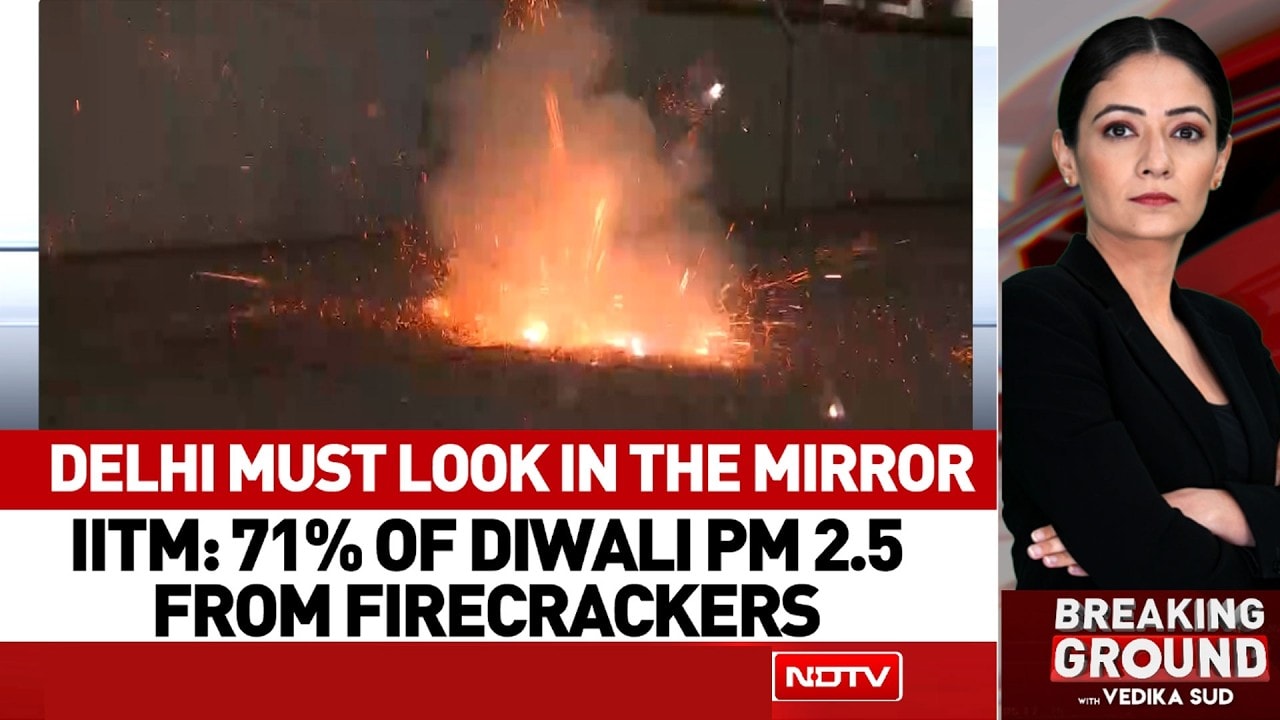
As air quality deteriorates across Delhi-NCR, parts of North India and several other regions, protecting lung health has become an everyday concern. From prolonged exposure to fine particulate matter (PM2.5) and vehicle emissions to dust, construction pollution and indoor smoke, the air people breathe can have a significant impact on respiratory health. While wearing a mask and limiting outdoor exposure during periods of high pollution are important precautions, doctors say maintaining healthy lungs also requires consistent lifestyle habits.
A combination of regular physical activity, breathing exercises, adequate hydration, good indoor ventilation and protection against respiratory infections can help support lung function. Practices such as pranayama and diaphragmatic breathing may improve breathing control, while walking and cycling can build exercise tolerance.
However, not every popular home remedy delivers the respiratory benefits it promises. Steam inhalation, for instance, may temporarily ease nasal congestion but does not strengthen the lungs or improve lung capacity.
Dr Rahul Sharma, Director - Pulmonology and Critical Care, Fortis Hospital, Noida, and Dr Arunesh Kumar, Director and HOD - Pulmonology, Paras Health, Gurugram, explain how to build a practical daily routine for better lung health, particularly when pollution levels remain high.
1. Start Your Day With Breathing Exercises And Pranayama
Breathing exercises can help individuals become more aware of their breathing patterns and improve breathing control. Diaphragmatic breathing, also known as belly breathing, encourages the use of the diaphragm rather than relying predominantly on the muscles of the upper chest.
Pursed-lip breathing is another technique in which a person inhales gently through the nose and exhales slowly through partially closed lips. It can help regulate breathing and reduce the sensation of breathlessness in some people, particularly those with chronic respiratory conditions.
Dr Sharma recommends practising diaphragmatic breathing and pursed-lip breathing for around five to 10 minutes as part of a daily routine. Gentle pranayama, including Anulom Vilom (alternate nostril breathing), can also be practised at a comfortable pace.
"Healthy lungs play an important role in maintaining overall well-being, and taking care of them should be part of our everyday routine. Practising simple breathing exercises, staying physically active and maintaining a clean indoor environment can contribute to better respiratory health," says Dr Arunesh Kumar.
However, breathing exercises should not be treated as a substitute for medical treatment. People with asthma, COPD or other respiratory conditions should avoid forceful breathing techniques if they trigger dizziness, discomfort or breathlessness. They should consult their doctor about suitable exercises.
READ | What Is A Pink Lung And Why Is It Difficult To Spot In Delhi-NCR?
2. Exercise Regularly, But Check The AQI First
Physical activity is important for maintaining respiratory and cardiovascular fitness. Walking, cycling and other moderate aerobic exercises can improve exercise tolerance, strengthen the muscles involved in movement and help the body use oxygen more efficiently. Dr Sharma recommends aiming for approximately 30 minutes of aerobic activity daily, depending on individual fitness and health conditions.
However, when outdoor air quality is poor, exercising outside can increase exposure to pollutants. Physical exertion increases breathing rates, potentially causing people to inhale greater quantities of polluted air.
Therefore, check the Air Quality Index (AQI) before planning outdoor workouts. During periods of high pollution, shift exercise indoors, preferably to a well-ventilated environment with appropriate air filtration. A gym with good ventilation and air-quality management can be an alternative.
People with existing heart or lung conditions should follow an exercise plan recommended by their healthcare provider rather than pushing through breathlessness.
3. Stay Hydrated To Support Airway Health
Drinking adequate water throughout the day is another simple habit that supports respiratory health. The airways are lined with mucus, which helps trap dust, microorganisms and other inhaled particles. Adequate hydration helps maintain the normal consistency of these secretions, allowing the respiratory system's natural clearance mechanisms to function.
Dehydration can make mucus thicker and more difficult to clear, particularly when someone is already unwell. There is no specific amount of water that strengthens the lungs. Fluid requirements vary depending on age, activity levels, climate and underlying medical conditions. The aim should be to maintain adequate hydration throughout the day.
4. Does Steam Inhalation Improve Lung Capacity?
Steam inhalation is commonly recommended as a home remedy for cough, cold and respiratory discomfort. However, doctors caution against confusing temporary symptom relief with improved lung function. Steam may provide temporary comfort to some people experiencing nasal congestion, but it does not strengthen the lungs, increase lung capacity or treat respiratory infections.
Dr Sharma emphasises that steam inhalation does not clear the lungs or improve their functional capacity. He also warns that inhaling steam from hot water can cause burns, particularly among children. Dr Kumar similarly notes that steam inhalation may offer temporary comfort during nasal congestion but does not directly improve lung function.
People experiencing persistent congestion, coughing or breathing difficulties should seek medical advice instead of relying on repeated steam inhalation.
5. Avoid Smoking, Second-Hand Smoke And Indoor Pollutants
Protecting lung health also means reducing exposure to pollutants inside the home. Smoking and vaping expose the respiratory system to harmful substances that can damage airway tissues and increase the risk of chronic lung diseases. Second-hand smoke can also affect people who do not smoke.
Dr Kumar recommends avoiding smoking, passive smoke, dust and unnecessary exposure to harmful fumes. In Indian households, additional sources of indoor air pollution can include cooking emissions, incense sticks, mosquito coils, cleaning chemicals and poorly ventilated cooking spaces.
Keeping kitchens well ventilated, reducing indoor smoke and maintaining clean indoor environments can help minimise exposure.
6. Use Masks And Follow Recommended Vaccinations
When outdoor exposure to particulate pollution is unavoidable, a well-fitted N95 respirator can help reduce inhalation of fine particles. Its effectiveness depends on proper fit and consistent use. Ordinary cloth or surgical masks do not provide equivalent protection against fine particulate matter.
Vaccination is another important component of respiratory health. Dr Sharma recommends following applicable vaccination schedules for influenza, pneumococcal disease and COVID-19, particularly among older adults and people with underlying health conditions.
These vaccines help reduce the risk of specific respiratory infections and their complications. They do not prevent pollution-related lung damage, but they can protect against additional respiratory threats.
READ | Why AQI Over 400 Hits Children Harder And How To Protect Them
7. Do Not Ignore Persistent Cough Or Breathlessness
Lifestyle measures can support respiratory health, but they cannot replace timely diagnosis and treatment. A persistent cough, wheezing, recurrent respiratory infections, unexplained breathlessness or reduced exercise tolerance should not automatically be attributed to pollution or seasonal changes.
People experiencing these symptoms should consult a pulmonologist. Depending on the symptoms and medical history, a doctor may recommend investigations such as spirometry, chest imaging or other respiratory assessments. People already diagnosed with asthma or COPD should continue their prescribed medication and follow their personalised action plans.
Healthy lungs require consistent care, particularly when air pollution is an ongoing concern across India. Gentle pranayama, controlled breathing exercises, regular indoor physical activity, adequate hydration, vaccination and avoiding tobacco smoke can all contribute to better respiratory health. However, no single breathing exercise or home remedy can reverse pollution-related damage or guarantee stronger lungs. The most effective approach combines preventive habits, reduced exposure to pollutants and early medical attention when respiratory symptoms persist.
READ | Blog | I Got Lung Cancer At 35 Without Ever Smoking. Why Breathing Delhi's Air Is Not A Flex
\r\n
\r\n
Disclaimer: This content including advice provides generic information only. It is in no way a substitute for a qualified medical opinion. Always consult a specialist or your own doctor for more information. NDTV does not claim responsibility for this information.



 Delhi AQI: Is Toxic Air Making You Tired? Impact Of Air Pollution On Energy, Sleep And ConcentrationWritten by Debosmita Ghosh | Wednesday November 11, 2026