


- Home/
- Experts Explain Why Delhi's Air Quality Monitors Went Blank On Diwali Night
Experts Explain Why Delhi's Air Quality Monitors Went Blank On Diwali Night
Reported by Ishika Verma | Updated: November 09, 2026 22:46 IST
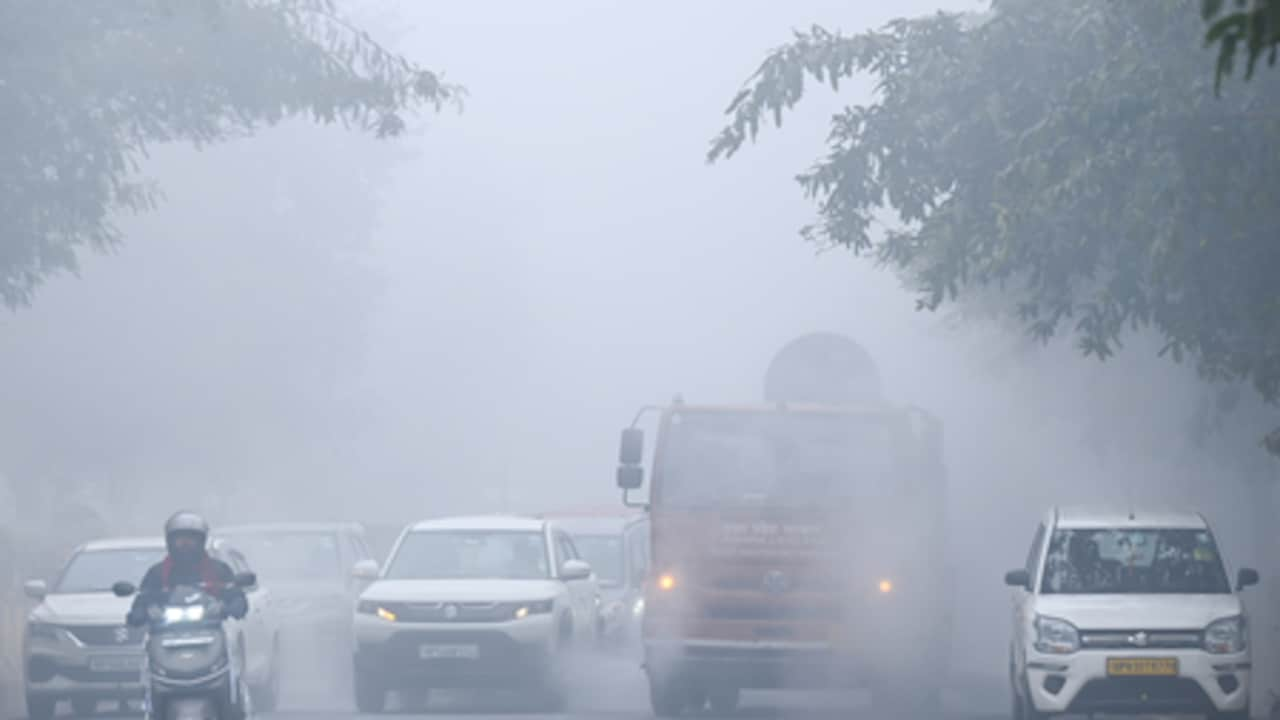
Across 59 stations, CREA counted 227 missing hourly observations between midnight and 5 am.
Delhi's air grew more polluted on Diwali night. Then, in several neighbourhoods, the readings meant to show how bad it had become, went blank.
At RK Puram, PM2.5 concentration rose to 924 micrograms per cubic metre before the station stopped displaying readings after 9 pm. Similar gaps were reported at Nehru Nagar, Mundka, Sonia Vihar and Dwarka.
Were the machines unable to measure such high pollution, or was the data failing to reach the public? NDTV spoke to three experts to understand what may have gone wrong.
What Happened On Diwali Night?
An analysis by the Centre for Research on Energy and Clean Air (CREA) found that the number of stations not reporting readings rose from seven at 10 pm on November 8 to 23 at 11 pm, 29 at midnight and 36 at 1 am on November 9.
READ | 'Couldn't Run 1 km': Delhi Residents Struggle As Air Quality Worsens
Across 59 stations, CREA counted 227 missing hourly observations between midnight and 5 am.
CREA analyst Manoj Kumar said Diwali's average PM2.5 concentration was 257 micrograms per cubic metre, making it the fourth most polluted Diwali since 2016.
However, Kumar cautioned that the timing of the missing data alone did not establish the cause.
READ | Delhi AQI Above 1,000 And Below 500 At Same Time? Conflicting Data Explained
How Do Air Quality Monitoring Stations Work?
A monitoring station has different instruments, called analysers, that measure PM2.5, PM10 and gases such as nitrogen dioxide and carbon monoxide.
PM2.5 refers to fine particles that can enter deep into the lungs. Its concentration is measured in micrograms per cubic metre.
Readings are stored by a data logger and transmitted to servers and public dashboards. So a missing PM2.5 figure does not mean the entire station stopped working.
An analysis of 39 stations found that at 1 am, only 13 reported PM2.5, while 38 continued reporting nitrogen dioxide. At least some stations were still sending data.
Can Pollution Become Too High For A Monitor?
Anil Gupta, a member of the Delhi Pollution Control Committee (DPCC) and the Central Pollution Control Board (CPCB), attributed the gaps to unusually high PM2.5 readings.
"When there is a sudden spike in PM2.5 and it crosses 999, the monitoring station stops giving a reading," Gupta told NDTV.
"There is no deliberate move. There is no malfunction. It is a technical glitch," Gupta added.
READ | Opposition Claims Data Fraud As Delhi Chokes Post Diwali, BJP Blames '25 Years Of Inaction'
CPCB's 2019 technical specifications prescribe a measurement range of up to 1,000 micrograms per cubic metre for certain particulate matter analysers. Such instruments can reach their measurement ceiling during severe pollution spikes.
But this does not prove what caused the gaps at individual stations.
Former CPCB Additional Director Dr Dipankar Saha had a different take.
"In my opinion, a glitch has nothing to do with high or low values," he said.
Saha explained that technical problems could occur at either the analyser or display end. He also called for shortcomings in the monitoring system to be investigated regularly to maintain public confidence.
Could The Missing Data Affect Delhi's AQI?
Potentially. At Siri Fort, Kumar said, PM2.5 reached 1,000 micrograms per cubic metre, the maximum displayed on CPCB's public portal.
"There is a possibility that the official AQI does not fully capture the severity of the pollution episode," he said.
But PM2.5 concentration and AQI are different.
PM2.5 concentration measures fine particles in the air. India's Air Quality Index (AQI) converts pollutant levels into a score capped at 500.
AQI is calculated using readings averaged over specified periods, not simply the worst reading in an hour. Gupta said Delhi's overall AQI could still be calculated from stations that continued reporting.
However, if some of the highest pollution readings were missing, the available data might not show the full severity of the episode.
Can The Missing Readings Be Recovered?
Asked whether the figures were recorded internally, Gupta said, "There is no internal mechanism."
However, CPCB's published technical specifications provide for station-level data storage, as well as diagnostic records and error logs.
That does not necessarily mean valid measurements were recorded after an instrument exceeded its range. But examining those records could help establish whether the problem occurred during measurement, transmission or display.
The pollution did not disappear when the readings did. Until authorities explain the gaps and establish what happened to the missing data, Delhi cannot know whether its worst hours of pollution were fully captured.
Published: November 09, 2026 22:46 IST
also read
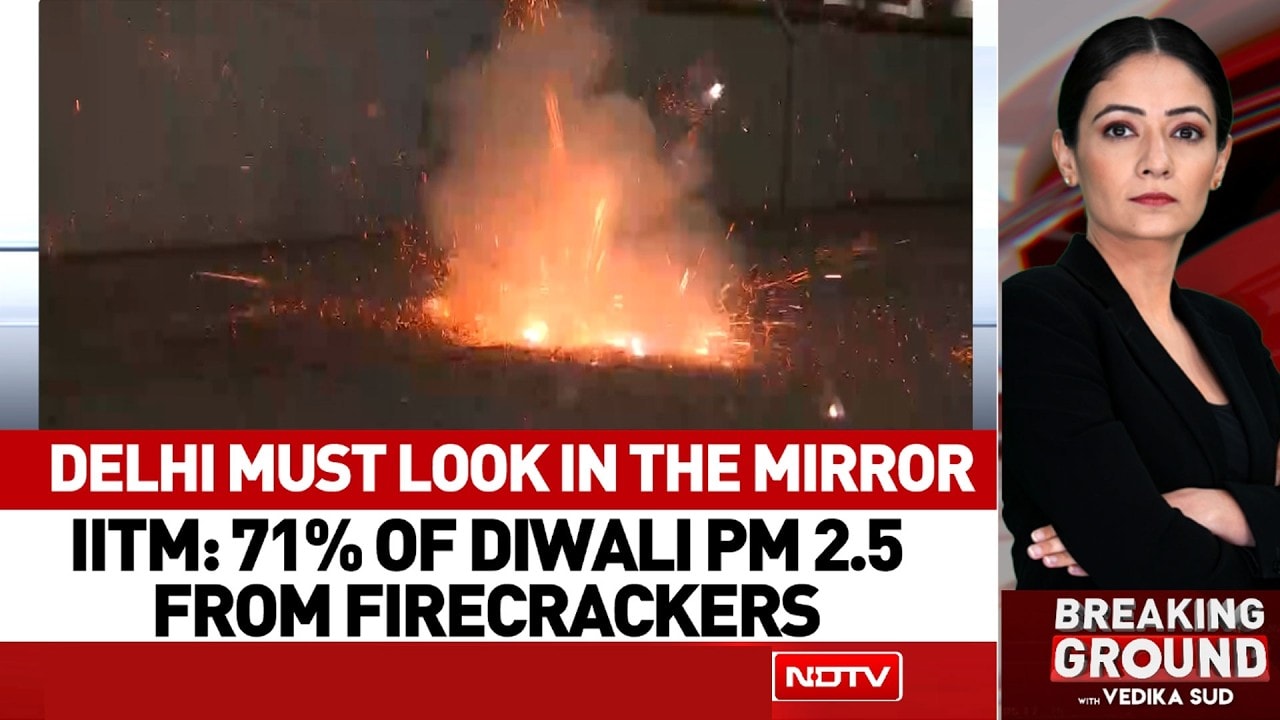
Pakistan's Own Agency Busts Its 'Diwali Firework' Pollution Theory As AQI Crosses 600
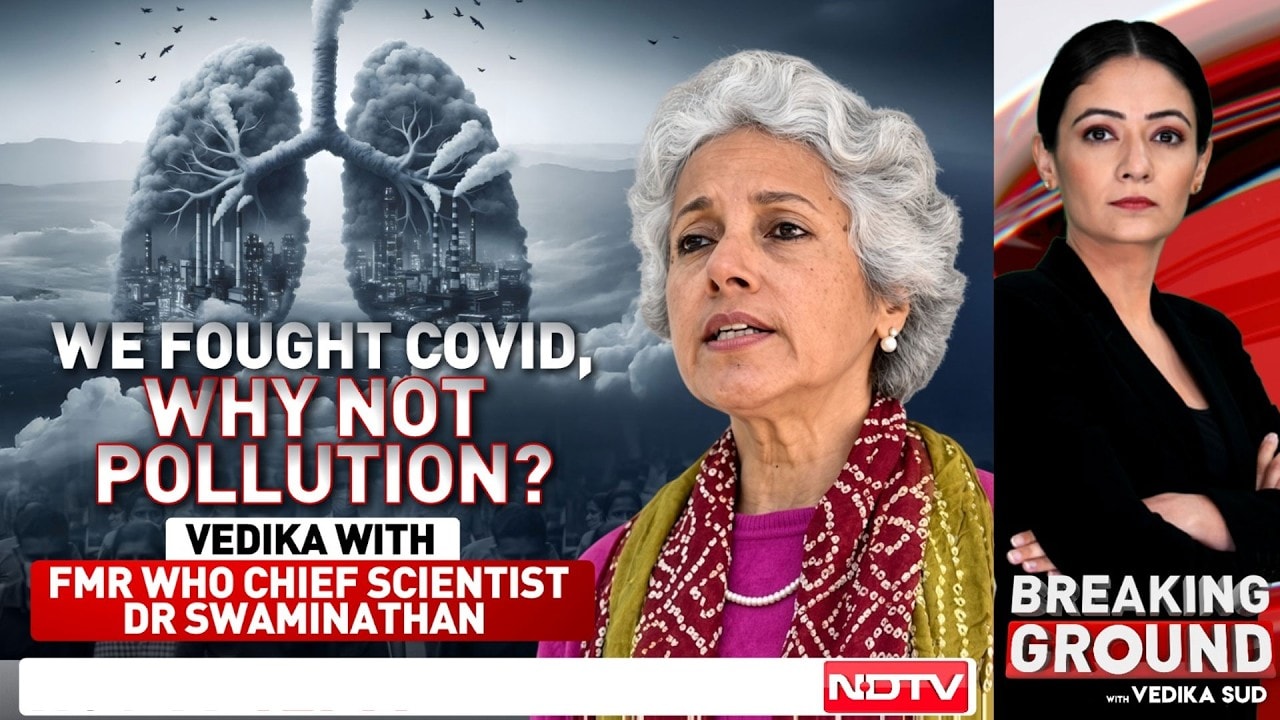
Edited by Sanstuti NathAir Pollution Is As Big A Public Health Emergency As COVID: Former WHO Chief
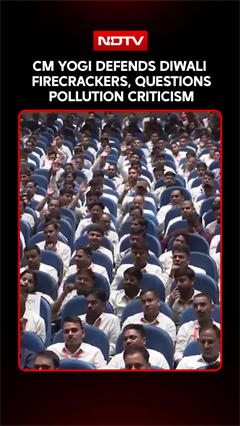
Reported by Vedika Sud Sachdeva, Edited by Aastha Ahuja'Pollution Subsides': Yogi Adityanath Defends Bursting Of Crackers On Diwali
Edited by Debanish Achom
 Delhi AQI: Is Toxic Air Making You Tired? Impact Of Air Pollution On Energy, Sleep And ConcentrationWritten by Debosmita Ghosh | Wednesday November 11, 2026
Fine particles such as PM2.5 can enter deep into the lungs and lead to inflammation and oxidative stress in the body. Prolonged exposure may also affect the cardiovascular system and overall physical health.
- Written by Niharika Raj | Wednesday November 11, 2026
A Pakistani air quality body has found no evidence linking Lahore's post-Diwali smog to fireworks in India, pointing instead to thousands of crop-residue fires in Pakistan's own Punjab.
- Written by Sambhav Kumar | Wednesday November 11, 2026
Morning chest heaviness should not automatically be attributed to air pollution. Persistent or worsening symptoms warrant medical evaluation, particularly if accompanied by coughing, wheezing or breathlessness.
- Edited by Sanstuti Nath | Wednesday November 11, 2026 , Islamabad
The Pakistan report said the available evidence did not support attributing Lahore's poor air quality after Diwali to fireworks across the border.
- Written by Sneha Mordani , Edited by Sambhav Kumar | Wednesday November 11, 2026
India should retain the AQI for public advisories but must publish uncapped PM2.5 and PM10 concentrations alongside it. An index may have a ceiling. Pollution does not.

................................ Advertisement ................................

Opinion | Delhi Has Every Pollution Control Policy - Except One That Works
Monday November 09, 2026Every November, Delhi performs the same ritual. We check the AQI before stepping outdoors, children are kept indoors, masks reappear, schools consider shutting, construction is restricted, and emergency meetings are convened. Politicians blame the weather, neighbouring states, farmers, or firecrackers. And then, as the season changes, the urgency d...
दीवाली की चौखट पर दिल्ली में सांसों का संकट: 30 साल की स्टडी ने हरियाली को लेकर क्या बताया?
Thursday November 05, 2026अध्ययन में हरियाली की मात्रा के साथ उसके फैलाव और आपसी जुड़ाव को भी महत्वपूर्ण पाया गया. जिन इलाकों में हरियाली ज्यादा बिखरी हुई थी, वहां सतही तापमान अधिक रहा. इसके विपरीत, बड़े और आपस में जुड़े हरित क्षेत्रों में तापमान कम पाया गया.
Opinion: Why Delhi's Smog Can't Be Fixed From SpaceDavid Fickling, Bloomberg
Monday October 19, 2026The clearest sign that Delhi is on a path to cleaner air would be a decline in the amount of paddy grown nearby, and therefore the acreage liable to be burned each year.
Don't Normalise Air Purifiers As Delhi Chokes | The Reason Why
Thursday December 11, 2025More than 90 cities in the world's top 100 polluting list are in India. With every passing year, the AQI is rising, reaching 'hazardous' levels.
Blog | Well Done, Delhi. You've Turned Lung Sacrifice Into A Badge Of HonourSaikat Kumar Bose
Monday November 10, 2025Till some years back, Delhiites would ask angry questions to those in power about the capitals annual tryst with toxic air. This has changed. Those in the driving seat dont see the need to answer now.



