


- Home/
- Firewood Burning At Home Linked To Poor Air Quality And Premature Deaths, Finds Study
Firewood Burning At Home Linked To Poor Air Quality And Premature Deaths, Finds Study
Indo-Asian News Service | Updated: January 24, 2026 18:56 IST
New Delhi:
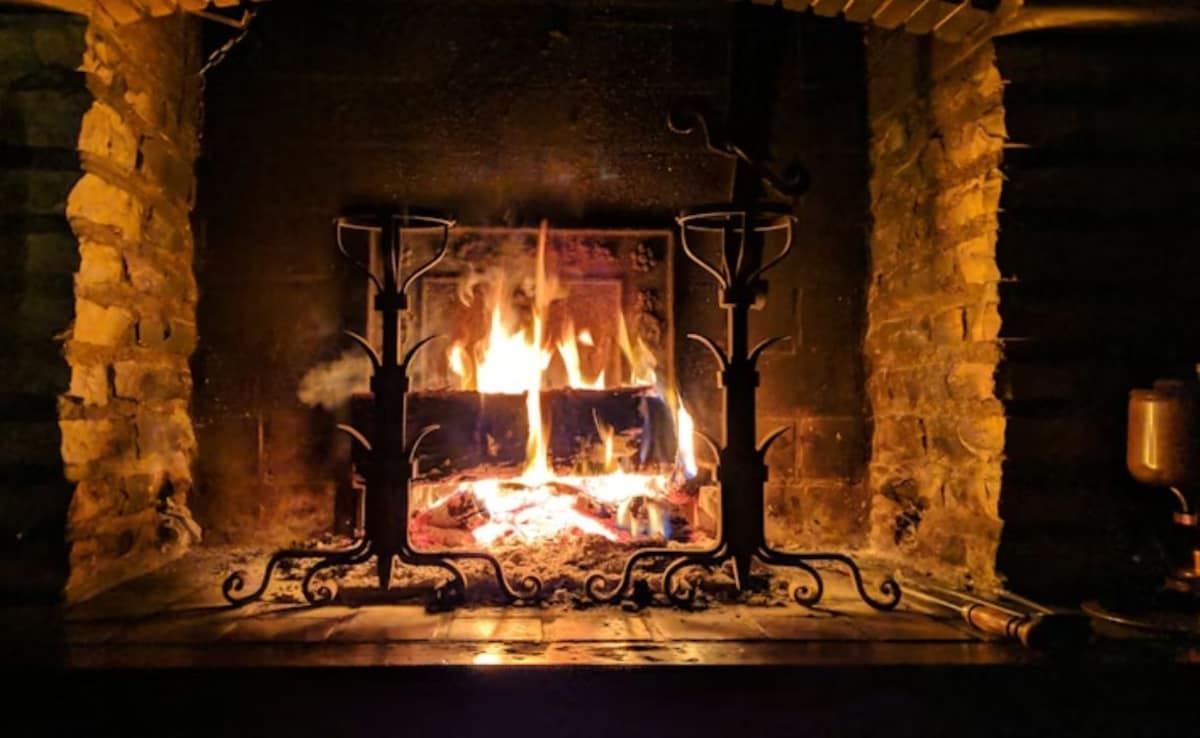
Burning firewood at home can be a major contributor to air pollution and premature deaths in winters, according to a study.
The study, published in the journal Science Advances, showed that residential wood burning comprises about 22 per cent of PM2.5 pollution in winter, making it one of the single largest sources of fine particle pollution during the coldest months.
The modelling study led by researchers from Northwestern University found that pollution from residential wood burning is associated with about 8,600 premature deaths per year in the US.
They suggested using alternative appliances to heat homes instead of burning wood, which can have a big impact on fine particulate matter in the air -- and increase the risk of cardiovascular diseases.
"We frequently hear about the negative health impacts of wildfire smoke, but do not often consider the consequences of burning wood for heat in our homes," said Daniel Horton, Associate Professor of Earth at the varsity.
"Since only a small number of homes rely on wood burning for heat, facilitating a home-heating appliance transition to cleaner burning or non-burning heat sources could lead to outsized improvements in air quality," he added.
The study focussed on wood burning in homes, including emissions from wood-burning furnaces, boilers, fireplaces, and stoves.
Using a high-resolution atmospheric model, they simulated how pollution moves through the air. The model accounted for weather, wind, temperature, terrain, and atmospheric chemistry to estimate air quality over time.
"Wood burning emissions enter the atmosphere, where they are affected by meteorology," Horton said. "Some emissions are considered primary pollutants, such as black carbon, and some interact with the atmosphere and other constituents, and can form additional, secondary species of particulate matter pollution."
The team found that particulate matter from wood burning is particularly problematic in cities and suburban communities due to the combined effects of population density, emissions density, and atmospheric transport.
In many cities, smoke from surrounding suburbs drifts into more densely populated urban cores, which have limited wood-burning emissions. Even cities not typically associated with wood burning, such as those in warmer climates, can experience impacts from wood burning during cold snaps, recreational burning, and atmospheric transport.
(Except for the headline, this story has not been edited by NDTV staff and is published from a syndicated feed.)
Published: January 24, 2026 16:09 IST
also read
Delhi AQI: Is Toxic Air Making You Tired? Impact Of Air Pollution On Energy, Sleep And Concentration
Written by Debosmita GhoshHeavy Chest In The Morning Amid High AQI: Why It Happens And How To Get Relief
Written by Sambhav KumarIt's Not Just AQI: Why Tiny Particulate Matter Poses A Bigger Health Risk
Written by Sneha Mordani, Edited by Sambhav Kumar
 Delhi AQI: Is Toxic Air Making You Tired? Impact Of Air Pollution On Energy, Sleep And ConcentrationWritten by Debosmita Ghosh | Wednesday November 11, 2026
Fine particles such as PM2.5 can enter deep into the lungs and lead to inflammation and oxidative stress in the body. Prolonged exposure may also affect the cardiovascular system and overall physical health.
- Written by Niharika Raj | Wednesday November 11, 2026
A Pakistani air quality body has found no evidence linking Lahore's post-Diwali smog to fireworks in India, pointing instead to thousands of crop-residue fires in Pakistan's own Punjab.
- Written by Sambhav Kumar | Wednesday November 11, 2026
Morning chest heaviness should not automatically be attributed to air pollution. Persistent or worsening symptoms warrant medical evaluation, particularly if accompanied by coughing, wheezing or breathlessness.
- Edited by Sanstuti Nath | Wednesday November 11, 2026 , Islamabad
The Pakistan report said the available evidence did not support attributing Lahore's poor air quality after Diwali to fireworks across the border.
- Written by Sneha Mordani , Edited by Sambhav Kumar | Wednesday November 11, 2026
India should retain the AQI for public advisories but must publish uncapped PM2.5 and PM10 concentrations alongside it. An index may have a ceiling. Pollution does not.

................................ Advertisement ................................
Opinion | Delhi Has Every Pollution Control Policy - Except One That Works
Monday November 09, 2026Every November, Delhi performs the same ritual. We check the AQI before stepping outdoors, children are kept indoors, masks reappear, schools consider shutting, construction is restricted, and emergency meetings are convened. Politicians blame the weather, neighbouring states, farmers, or firecrackers. And then, as the season changes, the urgency d...
दीवाली की चौखट पर दिल्ली में सांसों का संकट: 30 साल की स्टडी ने हरियाली को लेकर क्या बताया?
Thursday November 05, 2026अध्ययन में हरियाली की मात्रा के साथ उसके फैलाव और आपसी जुड़ाव को भी महत्वपूर्ण पाया गया. जिन इलाकों में हरियाली ज्यादा बिखरी हुई थी, वहां सतही तापमान अधिक रहा. इसके विपरीत, बड़े और आपस में जुड़े हरित क्षेत्रों में तापमान कम पाया गया.
Opinion: Why Delhi's Smog Can't Be Fixed From SpaceDavid Fickling, Bloomberg
Monday October 19, 2026The clearest sign that Delhi is on a path to cleaner air would be a decline in the amount of paddy grown nearby, and therefore the acreage liable to be burned each year.
Don't Normalise Air Purifiers As Delhi Chokes | The Reason Why
Thursday December 11, 2025More than 90 cities in the world's top 100 polluting list are in India. With every passing year, the AQI is rising, reaching 'hazardous' levels.
Blog | Well Done, Delhi. You've Turned Lung Sacrifice Into A Badge Of HonourSaikat Kumar Bose
Monday November 10, 2025Till some years back, Delhiites would ask angry questions to those in power about the capitals annual tryst with toxic air. This has changed. Those in the driving seat dont see the need to answer now.



