


- Home/
- Adverse Health Impacts Due To Plastic Use Set To Double By 2024: Lancet Study
Adverse Health Impacts Due To Plastic Use Set To Double By 2024: Lancet Study
Press Trust of India | Updated: January 27, 2026 10:08 IST
New Delhi:
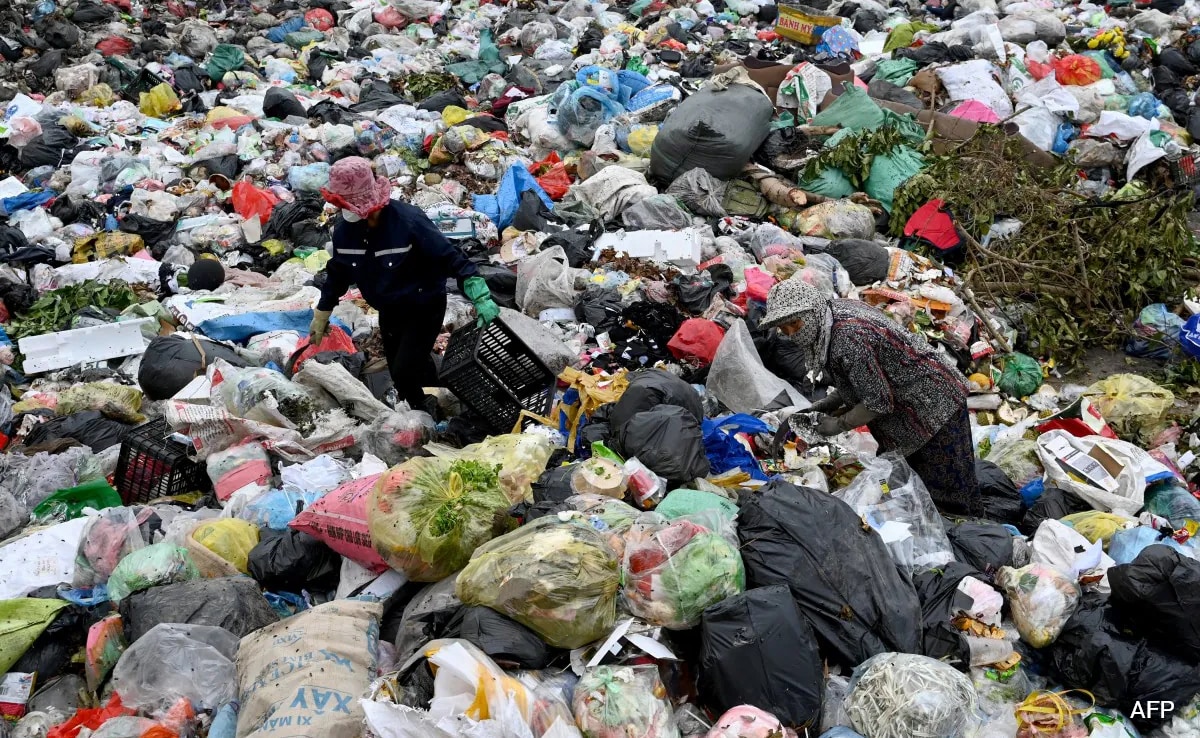
Adverse effects on health due to emissions from the world's plastics system, including greenhouse gases, air-polluting particles and toxic chemicals released from production, could more than double by 2040, compared to levels in 2016, if current trends continue, according to a study. The study, published in The Lancet Planetary Health journal, also highlighted that the global production of plastics may not peak until beyond 2100, worsening environmental and health burdens in an already overwhelmed system. Plastic pollution and emissions released across its lifecycle are increasingly recognised for their potential impacts on human health, yet the overall scale of the impact is only beginning to be fully quantified, researchers from the London School of Hygiene and Tropical Medicine and institutes in France, said.
Quantifying health impacts throughout plastics' lifecycles can inform global action against pollution, promoting sustainability across the environment, economy and health, they said.
The team added that a non-disclosure of the chemical composition of plastics is "severely limiting" lifecycle assessments in informing effective policy.
The plastics lifecycle assessment study is the first global-scale one to estimate health impacts in terms of 'disability-adjusted life-years' related to greenhouse gases, air pollutants and chemicals released, the researchers said.
Lifecycles of plastic products analysed include raw material extraction to polymer production to post-consumption waste collection, recycling technologies, dumpsites and open burning and environmental pollution.
The model put forth in the study contributes a flexible framework that can be expanded to include new data and methods and improve precision in health impact estimates associated with plastics, their alternatives and substitutes -- the information can contribute towards a rapidly changing policy landscape, the authors said.
The framework currently recommends a deep reduction in primary plastic (virgin plastic) production in leading a transition away from substances, along with assessments that account for plastics' functions across sectors.
A globally coordinated policy that addresses upstream effects through a full lifecycle approach is crucial to protecting human health, the researchers said.
"We found that emissions throughout plastics lifecycles contributed to human health burdens of global warming, air pollution, toxicity-related cancers, and non-communicable diseases, with greatest harms from primary plastics production and open burning," the authors wrote.
"Adverse health effects associated with the global plastics system more than doubled under P2O (plastics-to-ocean) BAU (business-as-usual) projections for 2016-40," they said.
The authors say to effectively reduce plastic emissions and their impact on health, policymakers must better regulate and significantly reduce the production of new plastics for non-essential uses to effectively reduce plastic emissions and health impacts.
Over 175 countries have agreed to develop a Global Plastics Treaty, which is under negotiation.
(Except for the headline, this story has not been edited by NDTV staff and is published from a syndicated feed.)
Published: January 27, 2026 05:06 IST
also read
Delhi AQI: Is Toxic Air Making You Tired? Impact Of Air Pollution On Energy, Sleep And Concentration
Written by Debosmita GhoshHeavy Chest In The Morning Amid High AQI: Why It Happens And How To Get Relief
Written by Sambhav KumarIt's Not Just AQI: Why Tiny Particulate Matter Poses A Bigger Health Risk
Written by Sneha Mordani, Edited by Sambhav Kumar
 Delhi AQI: Is Toxic Air Making You Tired? Impact Of Air Pollution On Energy, Sleep And ConcentrationWritten by Debosmita Ghosh | Wednesday November 11, 2026
Fine particles such as PM2.5 can enter deep into the lungs and lead to inflammation and oxidative stress in the body. Prolonged exposure may also affect the cardiovascular system and overall physical health.
- Written by Niharika Raj | Wednesday November 11, 2026
A Pakistani air quality body has found no evidence linking Lahore's post-Diwali smog to fireworks in India, pointing instead to thousands of crop-residue fires in Pakistan's own Punjab.
- Written by Sambhav Kumar | Wednesday November 11, 2026
Morning chest heaviness should not automatically be attributed to air pollution. Persistent or worsening symptoms warrant medical evaluation, particularly if accompanied by coughing, wheezing or breathlessness.
- Edited by Sanstuti Nath | Wednesday November 11, 2026 , Islamabad
The Pakistan report said the available evidence did not support attributing Lahore's poor air quality after Diwali to fireworks across the border.
- Written by Sneha Mordani , Edited by Sambhav Kumar | Wednesday November 11, 2026
India should retain the AQI for public advisories but must publish uncapped PM2.5 and PM10 concentrations alongside it. An index may have a ceiling. Pollution does not.


................................ Advertisement ................................



Opinion | Delhi Has Every Pollution Control Policy - Except One That Works
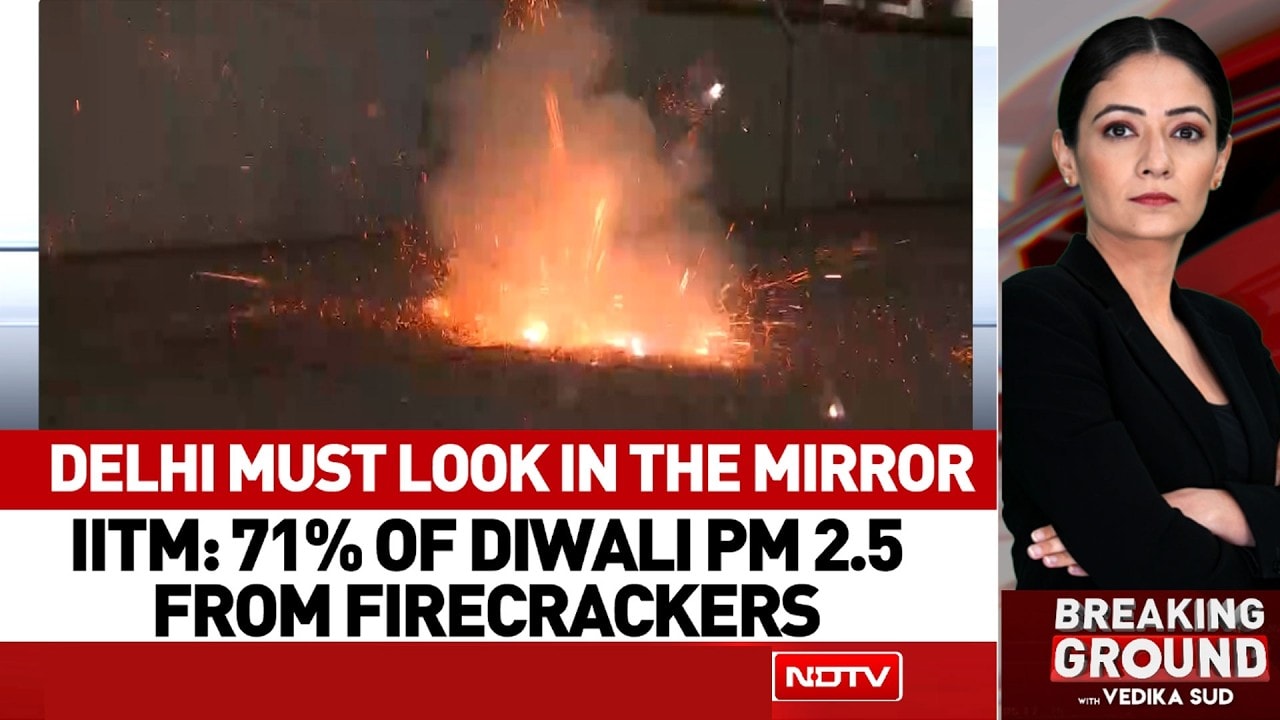
Monday November 09, 2026Every November, Delhi performs the same ritual. We check the AQI before stepping outdoors, children are kept indoors, masks reappear, schools consider shutting, construction is restricted, and emergency meetings are convened. Politicians blame the weather, neighbouring states, farmers, or firecrackers. And then, as the season changes, the urgency d...
दीवाली की चौखट पर दिल्ली में सांसों का संकट: 30 साल की स्टडी ने हरियाली को लेकर क्या बताया?
Thursday November 05, 2026अध्ययन में हरियाली की मात्रा के साथ उसके फैलाव और आपसी जुड़ाव को भी महत्वपूर्ण पाया गया. जिन इलाकों में हरियाली ज्यादा बिखरी हुई थी, वहां सतही तापमान अधिक रहा. इसके विपरीत, बड़े और आपस में जुड़े हरित क्षेत्रों में तापमान कम पाया गया.
Opinion: Why Delhi's Smog Can't Be Fixed From SpaceDavid Fickling, Bloomberg
Monday October 19, 2026The clearest sign that Delhi is on a path to cleaner air would be a decline in the amount of paddy grown nearby, and therefore the acreage liable to be burned each year.
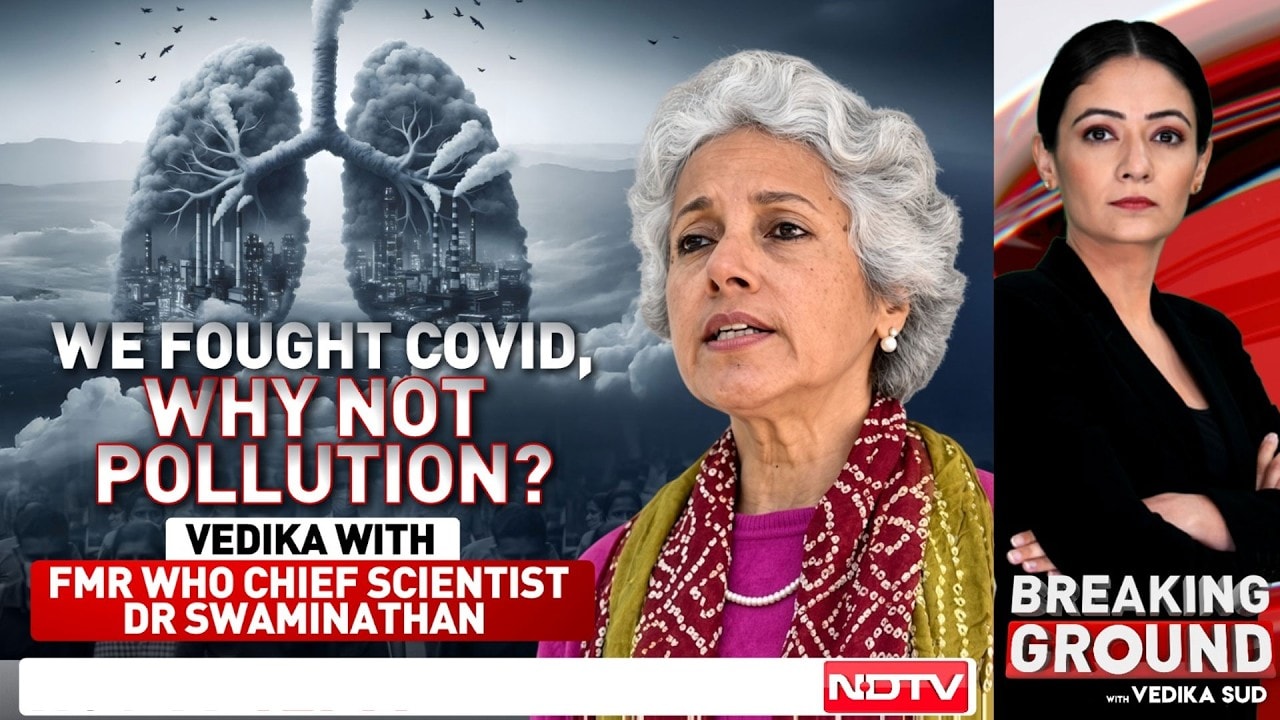
Don't Normalise Air Purifiers As Delhi Chokes | The Reason Why
Thursday December 11, 2025More than 90 cities in the world's top 100 polluting list are in India. With every passing year, the AQI is rising, reaching 'hazardous' levels.
Blog | Well Done, Delhi. You've Turned Lung Sacrifice Into A Badge Of HonourSaikat Kumar Bose
Monday November 10, 2025Till some years back, Delhiites would ask angry questions to those in power about the capitals annual tryst with toxic air. This has changed. Those in the driving seat dont see the need to answer now.



