


- Home/
- Heatwaves And Smog: How The Combination Triggers Asthma, COPD And Breathlessness
Heatwaves And Smog: How The Combination Triggers Asthma, COPD And Breathlessness
Written by Dr Pranay Sai Chandragiri | Updated: May 23, 2026 19:03 IST
Highlights
- Extreme heat worsens air pollution, increasing health risks for respiratory patients
- Heatwaves cause stagnant air, raising pollutants like ozone, PM2.5, and nitrogen dioxide
- Hot, polluted air irritates lungs, triggering asthma and COPD flare-ups and hospital visits
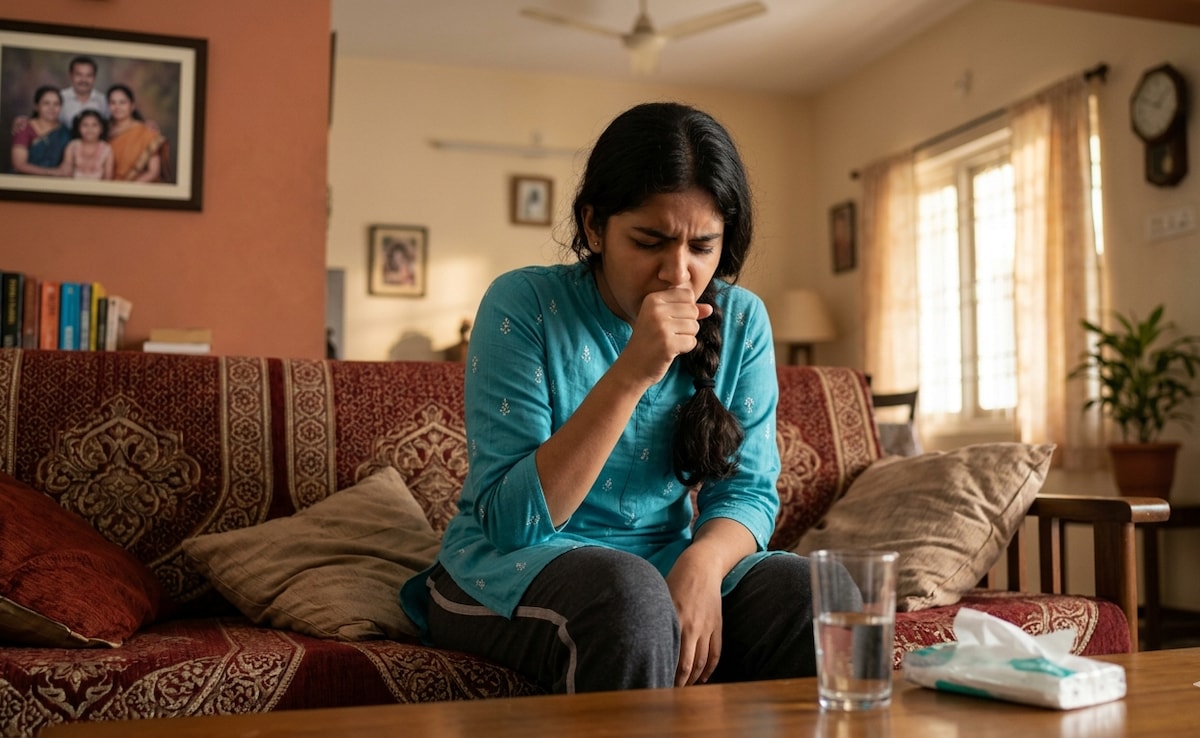
Extreme heat is no longer just a seasonal discomfort. Across many cities, rising temperatures are now worsening air pollution and smog, creating serious health risks, especially for people with asthma, Chronic Obstructive Pulmonary Disease (COPD), allergies, and other respiratory illnesses. Doctors are increasingly warning that heatwaves and polluted air together can become a dangerous "double burden" for the lungs.
Research shows that high temperatures can worsen air pollution, increase ground-level ozone, trap harmful particles in the air, and trigger breathing emergencies. People with existing lung diseases are among the most vulnerable.
Why Heatwaves Make Air Pollution Worse
During heatwaves, the atmosphere often becomes stagnant. Hot air gets closer and closer to the ground, preventing pollutants from dispersing properly. As a result, harmful pollutants such as PM2.5, PM10, nitrogen dioxide, and ozone begin to accumulate in the air.
High temperatures also accelerate chemical reactions between pollutants released from vehicle exhaust, industries, and smoke, increasing the formation of ground-level ozone - one of the major components of smog. This pollutant is highly irritating to the airways and lungs.
In many urban areas, concrete buildings, traffic congestion, lack of greenery, and the "urban heat island effect" further worsen the situation by trapping heat and pollutants for longer durations.
How Hot Polluted Air Affects The Lungs
Breathing already becomes harder during very hot weather because the body uses extra energy to cool itself. When polluted air is added to the mix, the respiratory system comes under even greater stress.
Hot and polluted air can:
- Irritate the airways
- Increase inflammation inside the lungs
- Trigger tightening of airway muscles
- Mucus becomes more viscous
- Reduce oxygen exchange
- Cause coughing, wheezing, and chest tightness
For people with asthma or COPD, these changes can quickly lead to flare-ups, breathing difficulty, or even hospitalisation. Studies have shown that hospital admissions and respiratory deaths increase during periods of high heat combined with poor air quality.
Why Asthma Patients Are More Vulnerable
People with asthma often experience worsening symptoms during heatwaves because heat and smog directly irritate sensitive airways.
Common triggers during extreme heat include:
- Ground-level ozone
- Dust particles
- Smoke
- High humidity
- Pollen
- Vehicle pollution
- Many asthma patients notice increased:
- Wheezing
- Breathlessness
- Chest tightness
- Night-time coughing
- Frequent inhaler use
Children are particularly vulnerable because their lungs are still developing and they breathe faster than adults, increasing exposure to pollutants.
COPD And Heatwaves: A Dangerous Combination
COPD patients are among the highest-risk groups during heatwaves. Their lungs are already damaged and less efficient at handling environmental stress.
When temperatures rise:
- Breathing becomes more demanding
- Oxygen levels may drop
- Airways may constrict
- Fatigue increases rapidly
Research suggests that COPD hospitalisation and mortality rates rise during prolonged heat exposure. Heatwaves can also worsen dehydration, which thickens mucus inside the lungs, making breathing even more difficult.
Smog Can Trigger Delayed Symptoms
One important concern is that the effects of heatwaves and smog are not always immediate. Respiratory symptoms may continue even several days after temperatures return to normal.
People may experience:
- Persistent cough
- Fatigue
- Increased sputum production
- Breathlessness
- Reduced exercise tolerance
- Disturbed sleep
This delayed impact often causes people to underestimate the health risks associated with heat exposure and poor air quality.
Warning Signs That Should Not Be Ignored
Immediate medical attention may be needed if a person develops:
- Severe shortness of breath
- Bluish lips or fingertips
- Chest pain
- Confusion
- Persistent wheezing
- Difficulty speaking due to breathlessness
- High fever with breathing difficulty
- Sudden worsening of asthma or COPD symptoms
Who Is Most At Risk?
Certain groups are more vulnerable during heatwaves and smog episodes:
- Elderly individuals
- Children
- Asthma patients
- COPD patients
- Smokers
- People with heart disease
- Outdoor workers
- Individuals living in crowded urban areas
People who already have reduced lung function may struggle even with short exposure to extreme heat and polluted air.
How To Protect Your Lungs During Heatwaves
Simple precautions can significantly reduce the risk of respiratory complications.
- Stay Indoors During Peak Heat: Avoid going outdoors between 11 AM and 4 PM when temperatures and pollution levels are usually highest.
- Monitor Air Quality: Check daily air quality index (AQI) updates and avoid outdoor activity during poor air quality days.
- Keep Indoor Air Clean: Keep windows closed during periods of high pollution. Use fans, air conditioning, or air purifiers if available.
- Stay Hydrated: Drink adequate water and fluids to prevent dehydration and keep airways moist.
- Avoid Heavy Exercise Outdoors: Intense physical activity during hot weather increases breathing rate and pollutant exposure.
- Continue Regular Medications: Asthma and COPD patients should continue inhalers and prescribed medications regularly. Rescue inhalers should always be kept nearby.
- Wear Loose, Light Clothing: This helps the body cool more effectively and reduces heat stress.
- Seek Medical Advice Early: Do not ignore worsening cough, wheezing, or breathlessness.
Climate Change And Respiratory Health
Doctors and researchers believe that climate change will continue increasing the frequency of heatwaves, poor air quality episodes, and respiratory illnesses globally.
This is becoming a growing public health concern, especially in densely populated urban regions where pollution levels are already high.
Experts emphasise that protecting respiratory health now requires not only medical management but also environmental awareness, cleaner air policies, urban greenery, and public education.
Final Thoughts
Heatwaves and smog are no longer separate environmental problems. Together, they create a serious threat to lung health, particularly for people living with asthma, COPD, and other respiratory diseases.
The combination of extreme heat, stagnant air, and pollution can silently strain the lungs, worsen breathlessness, and increase emergency respiratory conditions. Recognising early symptoms, taking preventive steps, staying hydrated, and reducing exposure to polluted outdoor air can help protect vulnerable individuals during extreme weather conditions.
As heatwaves become more frequent, awareness and timely precautions may play a major role in preventing respiratory emergencies and protecting long-term lung health.
(By Dr. Pranay Sai Chandragiri, Consultant Interventional Pulmonologist, Yashoda Hospitals, Hyderabad)
Disclaimer: The opinions expressed within this article are the personal opinions of the author. NDTV is not responsible for the accuracy, completeness, suitability, or validity of any information on this article. All information is provided on an as-is basis. The information, facts or opinions appearing in the article do not reflect the views of NDTV and NDTV does not assume any responsibility or liability for the same.
Published: May 23, 2026 18:32 IST
also read
Delhi AQI: Is Toxic Air Making You Tired? Impact Of Air Pollution On Energy, Sleep And Concentration
Written by Debosmita GhoshHeavy Chest In The Morning Amid High AQI: Why It Happens And How To Get Relief
Written by Sambhav KumarIt's Not Just AQI: Why Tiny Particulate Matter Poses A Bigger Health Risk
Written by Sneha Mordani, Edited by Sambhav Kumar
 Delhi AQI: Is Toxic Air Making You Tired? Impact Of Air Pollution On Energy, Sleep And ConcentrationWritten by Debosmita Ghosh | Wednesday November 11, 2026
Fine particles such as PM2.5 can enter deep into the lungs and lead to inflammation and oxidative stress in the body. Prolonged exposure may also affect the cardiovascular system and overall physical health.
- Written by Niharika Raj | Wednesday November 11, 2026
A Pakistani air quality body has found no evidence linking Lahore's post-Diwali smog to fireworks in India, pointing instead to thousands of crop-residue fires in Pakistan's own Punjab.
- Written by Sambhav Kumar | Wednesday November 11, 2026
Morning chest heaviness should not automatically be attributed to air pollution. Persistent or worsening symptoms warrant medical evaluation, particularly if accompanied by coughing, wheezing or breathlessness.
- Edited by Sanstuti Nath | Wednesday November 11, 2026 , Islamabad
The Pakistan report said the available evidence did not support attributing Lahore's poor air quality after Diwali to fireworks across the border.
- Written by Sneha Mordani , Edited by Sambhav Kumar | Wednesday November 11, 2026
India should retain the AQI for public advisories but must publish uncapped PM2.5 and PM10 concentrations alongside it. An index may have a ceiling. Pollution does not.


................................ Advertisement ................................





Opinion | Delhi Has Every Pollution Control Policy - Except One That Works
Monday November 09, 2026Every November, Delhi performs the same ritual. We check the AQI before stepping outdoors, children are kept indoors, masks reappear, schools consider shutting, construction is restricted, and emergency meetings are convened. Politicians blame the weather, neighbouring states, farmers, or firecrackers. And then, as the season changes, the urgency d...
दीवाली की चौखट पर दिल्ली में सांसों का संकट: 30 साल की स्टडी ने हरियाली को लेकर क्या बताया?
Thursday November 05, 2026अध्ययन में हरियाली की मात्रा के साथ उसके फैलाव और आपसी जुड़ाव को भी महत्वपूर्ण पाया गया. जिन इलाकों में हरियाली ज्यादा बिखरी हुई थी, वहां सतही तापमान अधिक रहा. इसके विपरीत, बड़े और आपस में जुड़े हरित क्षेत्रों में तापमान कम पाया गया.
Opinion: Why Delhi's Smog Can't Be Fixed From SpaceDavid Fickling, Bloomberg
Monday October 19, 2026The clearest sign that Delhi is on a path to cleaner air would be a decline in the amount of paddy grown nearby, and therefore the acreage liable to be burned each year.
Don't Normalise Air Purifiers As Delhi Chokes | The Reason Why
Thursday December 11, 2025More than 90 cities in the world's top 100 polluting list are in India. With every passing year, the AQI is rising, reaching 'hazardous' levels.
Blog | Well Done, Delhi. You've Turned Lung Sacrifice Into A Badge Of HonourSaikat Kumar Bose
Monday November 10, 2025Till some years back, Delhiites would ask angry questions to those in power about the capitals annual tryst with toxic air. This has changed. Those in the driving seat dont see the need to answer now.



