- Home/
- It's Not Just Your Lungs: Doctor Explains How Air Pollution Quietly Ages Your Skin
It's Not Just Your Lungs: Doctor Explains How Air Pollution Quietly Ages Your Skin
Written by Dr Sonali Kohli | Updated: October 20, 2026 16:28 IST

Pollution worsens pigmentation and melasma, which is common in Indian skin and difficult to treat
Highlights
- Sweat ducts block in heat and humidity, causing miliaria or prickly heat rash
- Humidity softens skin, promoting fungal infections and intertrigo in folds
- Heat raises oil and sweat, leading to tropical acne and sweat-related folliculitis
Your skin cools you by sweating. When it is very hot and humid, you sweat far more, but the sweat cannot evaporate because the air is already saturated with moisture. The sweat ducts get blocked, and the trapped sweat leaks into the surrounding skin. This is miliaria, what most people call prickly heat. It shows up as tiny itchy or prickly bumps, often on the back, chest, neck and skin folds. Infants are especially prone because their sweat ducts are still immature, which is why a baby can break out in a heat rash in a single warm afternoon.
Humidity also keeps the skin surface damp for long stretches, particularly in the underarms, under the breasts, the groin and between the toes. This constant moisture softens and breaks down the skin barrier, a process called maceration, and creates the perfect environment for fungal infections and for intertrigo, the raw, inflamed redness that develops in skin folds. Tinea, the common ringworm infection, surges every monsoon for exactly this reason, and it is now one of the most stubborn problems we treat because of widespread misuse of steroid creams.
Heat and humidity are hard on acne-prone skin. Oil production rises in the heat, sweat mixes with that oil and with sunscreen and makeup, and the mix sits on the skin and blocks pores. Add friction from masks, helmets and bag straps, and you get what we call tropical acne and sweat-related folliculitis, those tender red bumps along the hairline, jaw and back. People often respond by scrubbing harder and layering on more products, which only inflames the skin further.
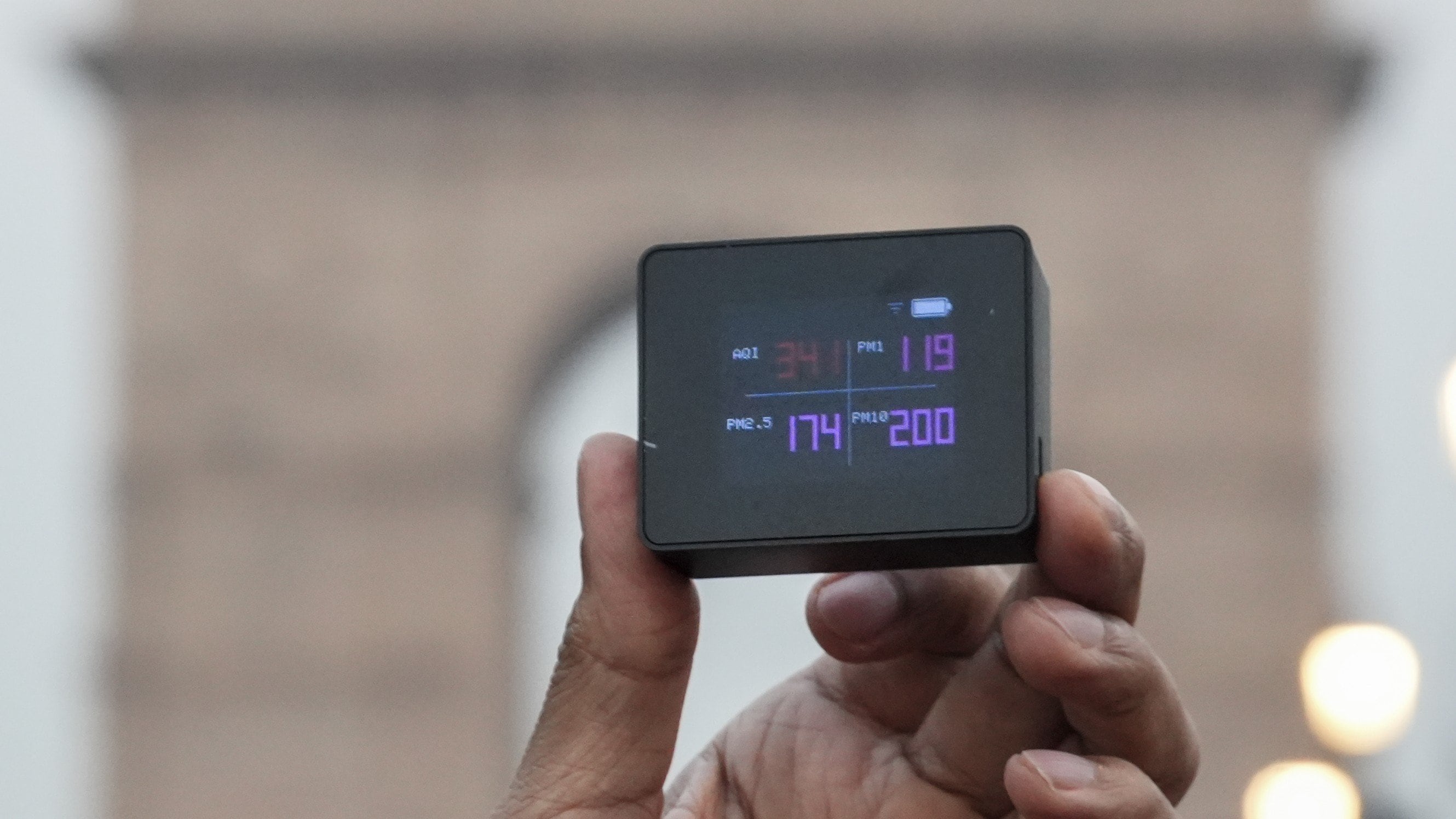
This is the part most people underestimate. Air pollution is not just a lung problem. Fine particulate matter, the PM2.5 you hear about in air quality reports, is small enough to settle on the skin and even penetrate it. These particles, along with ozone and traffic-related pollutants, generate what we call oxidative stress. In simple terms, they create unstable molecules that damage skin cells, break down collagen and switch on inflammation.
The visible results build up quietly. Pollution worsens pigmentation and melasma, which is already common in Indian skin and notoriously difficult to treat. It dulls the complexion, accelerates fine lines and premature ageing, and it is a genuine trigger for inflammatory conditions. I see eczema and atopic dermatitis flare in polluted, dry-wind conditions, and I see more urticaria, the sudden itchy welts, when the air quality is poor. For anyone with sensitive or barrier-compromised skin, pollution is like throwing petrol on a small fire.
Heat also drives rosacea and facial flushing, and sweat itself acts as an irritant on eczema-prone skin, which is why so many of my eczema patients tell me they are worse in summer, not better.
Our climate is changing, and our skin is on the front line of it. A little understanding, and a few consistent habits, go a long way toward keeping it calm through the hardest months Cleanse gently, but do not over-wash. Use a mild, soap-free cleanser twice a day. At night, I strongly recommend removing the day's pollution and sweat properly, because particles left sitting on the skin overnight continue to cause damage. This does not need an elaborate routine. A gentle cleanse is enough.
Repair and protect the barrier. A lightweight, non-greasy moisturiser keeps the skin barrier intact, which is your first defence against both irritants and infection. For pollution specifically, an antioxidant serum such as vitamin C in the morning helps neutralise some of that oxidative damage. And sunscreen is non-negotiable. Heat and sun worsen pigmentation together, so a broad-spectrum SPF, ideally a tinted mineral one, protects against both ultraviolet and the visible light that darkens Indian skin.
Support the skin from within. Stay well hydrated, eat plenty of colourful fruit and vegetables for their natural antioxidants, and protect your sleep. Skin repairs itself at night, and chronic stress and poor sleep make every inflammatory condition worse.
(By Dr Sonali Kohli, Senior Consultant, Dermatology, Sir HN Reliance Foundation Hospital, Mumbai)
\r\n
\r\n
Disclaimer: The opinions expressed within this article are the personal opinions of the author. NDTV is not responsible for the accuracy, completeness, suitability, or validity of any information on this article. All information is provided on an as-is basis. The information, facts or opinions appearing in the article do not reflect the views of NDTV and NDTV does not assume any responsibility or liability for the same.
Published: October 20, 2026 11:23 IST
also read
Can Pollution Affect Your Fertility Test Results? What The Evidence Actually Tells Us
Written by Dr Navina SinghSmog, Dust And Dry Winter Air Can Trigger Sinus Discomfort: What A Doctor Recommends
Written by Dr Ravinder GeraEye Irritation From Air Pollution: Symptoms And When To See A Doctor
Written by Dr Shibal Bhartiya
 Edited by Debanish Achom | Monday November 09, 2026 , New Delhi
The post-Diwali spike occurred despite the authorities invoking Stage III of GRAP on Friday
- Reported by Kumar Kunal | Monday November 09, 2026 , New Delhi
Sudden discontinuation of online data is not surprising for those who follow the website on Diwali evening regularly.
- Written by Vaishnavi Mishra | Monday November 09, 2026
The Commission for Air Quality Management had already invoked Stage III of the Graded Response Action Plan across Delhi-NCR on Friday.
- Reported by Reet Kaur Sahni | Monday November 09, 2026 , New Delhi
In the run-up to Diwali, the Commission for Air Quality Management (CAQM) enforced Stage 3 of the Graded Response Action Plan (GRAP) across Delhi-NCR.
- Written by Dr Navina Singh | Sunday November 08, 2026
Phthalates, found in certain plastics and personal care products, are potent endocrine disruptors, a classification that is well established and firmly supported by research.



................................ Advertisement ................................
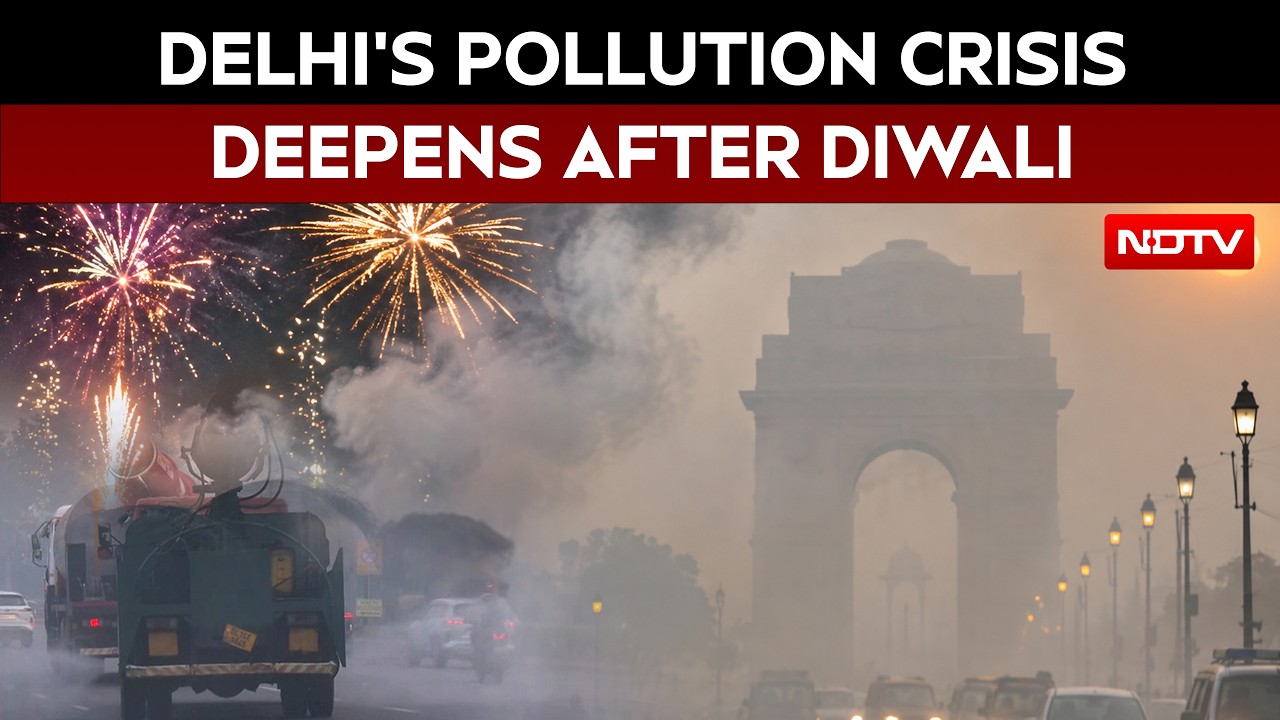
दीवाली की चौखट पर दिल्ली में सांसों का संकट: 30 साल की स्टडी ने हरियाली को लेकर क्या बताया?
Thursday November 05, 2026अध्ययन में हरियाली की मात्रा के साथ उसके फैलाव और आपसी जुड़ाव को भी महत्वपूर्ण पाया गया. जिन इलाकों में हरियाली ज्यादा बिखरी हुई थी, वहां सतही तापमान अधिक रहा. इसके विपरीत, बड़े और आपस में जुड़े हरित क्षेत्रों में तापमान कम पाया गया.
Opinion: Why Delhi's Smog Can't Be Fixed From SpaceDavid Fickling, Bloomberg
Monday October 19, 2026The clearest sign that Delhi is on a path to cleaner air would be a decline in the amount of paddy grown nearby, and therefore the acreage liable to be burned each year.
Don't Normalise Air Purifiers As Delhi Chokes | The Reason Why
Thursday December 11, 2025More than 90 cities in the world's top 100 polluting list are in India. With every passing year, the AQI is rising, reaching 'hazardous' levels.
Blog | Well Done, Delhi. You've Turned Lung Sacrifice Into A Badge Of HonourSaikat Kumar Bose
Monday November 10, 2025Till some years back, Delhiites would ask angry questions to those in power about the capitals annual tryst with toxic air. This has changed. Those in the driving seat dont see the need to answer now.
Opinion | Why Indians Have Just Given Up On Air Pollution CrisisTanushree Ganguly
Friday December 20, 2024While some may argue that people in Delhi are now more aware of air pollution than they were a decade back, my rebuttal would be that awareness does not mean that people are concerned.