


- Home/
- Mist Sprayers, Police Cases: Delhi's 'Toughest' Anti-Pollution Drive Yet
Mist Sprayers, Police Cases: Delhi's 'Toughest' Anti-Pollution Drive Yet
Reported by Ishika Verma | Updated: December 04, 2025 23:38 IST

Rekha Gupta said work is underway to install 305 mist sprayers at nine pollution hotspots in the city.
New Delhi: 
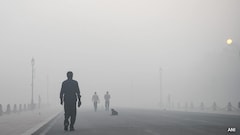
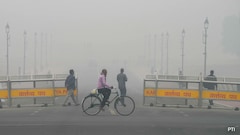
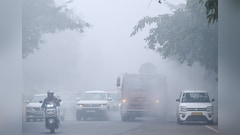
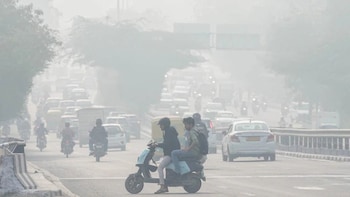
The Delhi government on Thursday rolled out its "toughest-ever" anti-pollution drive in the capital -- deploying mist spray technology, tightening enforcement, and warning officials of strict action.
The action comes after a high-level committee attended by Lieutenant Governor VK Saxena and the Chief Minister to counter pollution.
Chief Minister Rekha Gupta said work is underway to install 305 mist sprayers at nine pollution hotspots in the city.
Senior officials from the Delhi Development Authority (DDA), Municipal Corporation of Delhi (MCD), Delhi Pollution Control Committee (DPCC), and other departments were pulled up as the Lieutenant Governor and the Chief Minister demanded coordinated, on-ground action with zero tolerance for negligence.
Agencies were told to immediately intensify dust suppression, clear waste piles, and stop illegal dumping -- long-standing trouble spots that routinely worsen winter pollution.
The DDA has been ordered to clear vacant plots of debris and prevent repeat dumping, while MCD must conduct an "intensive, citywide cleanliness and anti-dust drive" across zones. Road-cleaning mechanisms, often criticised for patchy performance and limited coverage, were also flagged in the meeting.

Gupta further directed that District Magistrates must personally oversee all pollution-control measures and may enter adverse remarks in the Annual Confidential Reports (ACR) of any officer found negligent. A new high-level review committee, chaired by the Chief Secretary, will conduct daily inspections and issue binding directives to all agencies.
The Chief Minister warned that even government departments will be issued fines for breaching pollution norms, and First Information Reports (FIR) will be registered against those responsible for unauthorised road digging or failure to properly restore excavated stretches.
Earlier in the day, Gupta inspected mist sprayers installed at ITO.
Mist sprayers are an effective solution against pollution, Gupta said, adding that trials in some of the areas under the jurisdiction of the New Delhi Municipal Council (NDMC) areas have shown positive results.
Mist spray technology is specifically designed to control dust and airborne pollutants. The system is mounted on electricity poles and equipped with high-pressure pumps and nozzles that turn treated water into mist that traps suspended pollutant particles, said a statement issued by the Chief Minister's office.
However, past winter seasons have shown that such spot interventions often lose momentum without sustained oversight.
To widen public participation, the government has urged residents to use the revamped MCD-311 app to flag dust, potholes, waste dumping, and other issues. Departments have been told to resolve citizen complaints within 72 hours, a deadline that, if implemented, could significantly improve ground conditions but has historically seen mixed results.
Reiterating that "no agency, government or private, will be spared," Gupta said the focus is now on long-term solutions, not temporary fixes.
As Delhi enters another harsh pollution season, much will depend on whether the city's latest high-powered push can translate into measurable, visible change and not become yet another wintertime crackdown that fades with the season.
Published: December 04, 2025 23:38 IST
- Reported by Pallava Bagla | Thursday November 12, 2026 , New Delhi
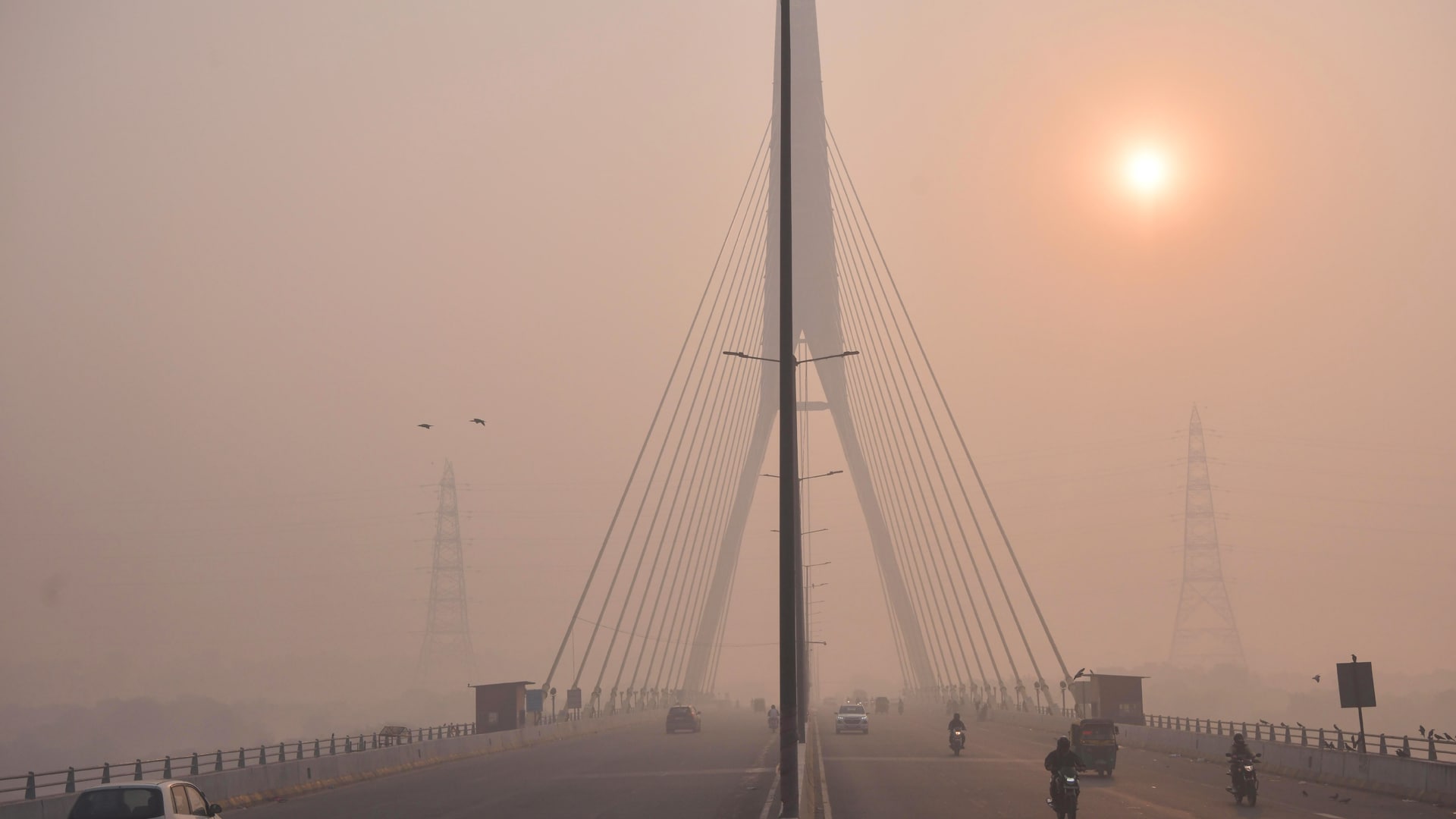
All are hoping for rain that may wash away the toxic cloud hanging overhead. But the weather office ended that hope today, saying rain is unlikely in the plains. There might be some over the Himalayan region, but none is expected in Delhi, where the pollution has reached severe levels.
- Reported by Ankita Tiwari | Wednesday November 11, 2026 , New Delhi
According to a Centre for Science and Environment (CSE) report, the average PM2.5 concentration during the week before Diwali stood at 236 micrograms per cubic metre, almost double the 120 ug/m3 recorded in 2025. It was also the highest pre-Diwali average in three years.
- Wednesday November 11, 2026 , New Delhi
The transport sector is expected to be the largest contributor to pollution on Wednesday, while the impact of stubble burning is anticipated to increase on Thursday, potentially worsening air quality further over the next few days, according to Indian Institute of Tropical Meteorology models.
- Reported by Himanshu Shekhar Mishra, Edited by Anindita Sanyal | Wednesday November 11, 2026 , New Delhi
Air pollution in Delhi-NCR has worsened during the onset of winter (from October to mid-November) this year. This has been revealed in a new analysis by the Centre for Science and Environment or CSE, an organisation that monitors environmental issues.
- Written by Vishesh Nagar | Wednesday November 11, 2026
All 10 cities in the ranking fall under the 'Hazardous' category, with Bathinda recording the highest AQI, followed by Rewari and Faridkot.

................................ Advertisement ................................
Opinion | Delhi Has Every Pollution Control Policy - Except One That Works
Monday November 09, 2026Every November, Delhi performs the same ritual. We check the AQI before stepping outdoors, children are kept indoors, masks reappear, schools consider shutting, construction is restricted, and emergency meetings are convened. Politicians blame the weather, neighbouring states, farmers, or firecrackers. And then, as the season changes, the urgency d...
दीवाली की चौखट पर दिल्ली में सांसों का संकट: 30 साल की स्टडी ने हरियाली को लेकर क्या बताया?
Thursday November 05, 2026अध्ययन में हरियाली की मात्रा के साथ उसके फैलाव और आपसी जुड़ाव को भी महत्वपूर्ण पाया गया. जिन इलाकों में हरियाली ज्यादा बिखरी हुई थी, वहां सतही तापमान अधिक रहा. इसके विपरीत, बड़े और आपस में जुड़े हरित क्षेत्रों में तापमान कम पाया गया.
Opinion: Why Delhi's Smog Can't Be Fixed From SpaceDavid Fickling, Bloomberg
Monday October 19, 2026The clearest sign that Delhi is on a path to cleaner air would be a decline in the amount of paddy grown nearby, and therefore the acreage liable to be burned each year.
Don't Normalise Air Purifiers As Delhi Chokes | The Reason Why
Thursday December 11, 2025More than 90 cities in the world's top 100 polluting list are in India. With every passing year, the AQI is rising, reaching 'hazardous' levels.
Blog | Well Done, Delhi. You've Turned Lung Sacrifice Into A Badge Of HonourSaikat Kumar Bose
Monday November 10, 2025Till some years back, Delhiites would ask angry questions to those in power about the capitals annual tryst with toxic air. This has changed. Those in the driving seat dont see the need to answer now.



