


- Home/
- Never Smoked? You Could Still Be Harming Your Lungs With These 7 Habits
Never Smoked? You Could Still Be Harming Your Lungs With These 7 Habits
Written by Dr Ankit Kumar Sinha | Updated: September 25, 2026 12:12 IST
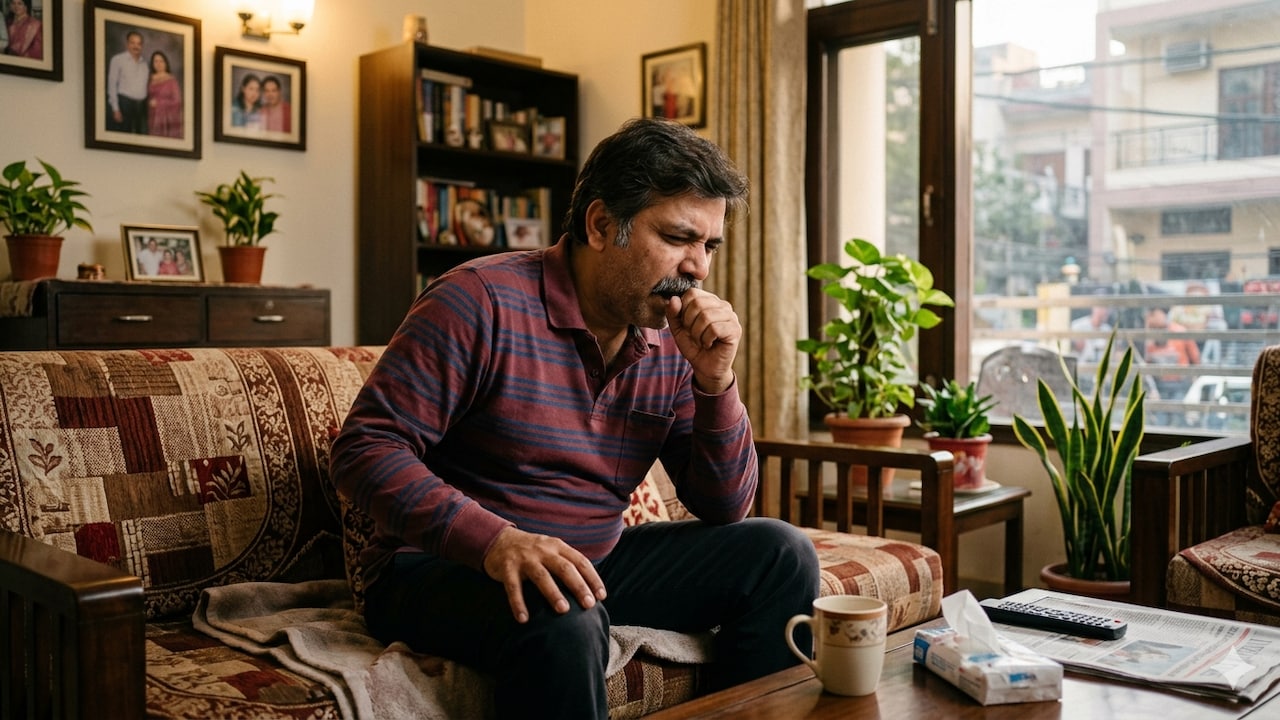
Persistent coughing should not be attributed merely to weather changes or pollution
Highlights
- Lung health is affected by air pollution, including traffic and industrial emissions
- Indoor pollution from cooking smoke and poor ventilation harms respiratory health
- Occupational hazards expose workers to dust, fumes, and particles causing lung issues
When thinking about lung damage, smoking often comes to mind. While avoiding smoking is an effective way to protect lung health, it doesn't offer complete immunity against potential harm. On a daily basis, your lungs are exposed to various environmental factors, and consistent exposure to poor air quality can significantly affect lung health. Certain habits and lifestyle choices can also contribute to respiratory issues.
1. Exposure to air pollution
One major concern is the time spent breathing unhealthy or contaminated air. Pollution from traffic, particulate matter, and industrial emissions can irritate your airways, potentially leading to symptoms like wheezing or coughing. Spending extended periods outdoors or in jobs with high exposure to harmful substances increases the risk. To reduce lung exposure to pollution, it's essential to follow common-sense guidelines during bad weather and use protective measures when necessary.
2. Indoor pollution
Indoor air pollution is another significant health issue. This type of pollution originates from cooking emissions, smoke from burning biomass fuels, incense, and mosquito coils, as well as poor ventilation. Prolonged stays in poorly ventilated rooms expose the respiratory system to irritants. To mitigate this, it is advisable to use a quality kitchen exhaust, improve indoor ventilation, and minimise indoor smoke production.
3. Occupational hazards
Exposure to occupational hazards should not be considered a normal part of one's job. Those employed in construction, manufacturing, laboratories, or factories may regularly encounter dust, chemical fumes, or industrial particles. Long-term exposure can lead to respiratory diseases and other health problems. Adhering to workplace safety regulations is crucial for individuals spending several hours in potentially hazardous environments.
4. Secondhand smoke
Additionally, the effects of secondhand smoke cannot be overlooked. You don't need to be a smoker to inhale harmful tobacco-related chemicals; simply being near someone who smokes can expose you to toxins that irritate the respiratory system. It's important to maintain smoke-free homes, cars, and other shared spaces, especially to protect children, the elderly, and those with existing respiratory conditions.
5. Everyday products that can be harmful
Many everyday products also release noxious fumes. Items such as paints, solvents, and cleaning supplies can emit harmful chemicals, particularly in poorly ventilated spaces. It's essential to follow usage recommendations and ensure proper ventilation during use. Minimising exposure to concentrated vapours can help reduce airway irritation.
6. Sedetary lifestyle
Inactivity is another behaviour that may indirectly affect lung function. While it doesn't directly harm the lungs like smoking or pollution, physical inactivity can lower overall cardiorespiratory fitness. Individuals who are sedentary may experience shortness of breath during everyday activities sooner than those who are physically fit. This can lead to confusion about when to seek medical help. Incorporating appropriate physical activity into one's lifestyle can enhance fitness and endurance.
7. Ignoring symptoms
Perhaps the least recognised issue is the tendency to dismiss ongoing respiratory problems as normal. Persistent coughing, wheezing, chest discomfort, or unexplained shortness of breath should not be attributed merely to weather changes or pollution. Chronic symptoms may indicate underlying conditions such as asthma, chronic airway diseases, infections, or other respiratory issues.
In conclusion, lung health goes beyond simply avoiding cigarettes. Your lungs are constantly exposed to environmental conditions, making daily choices critical. To improve respiratory health, it is important to minimise exposure to polluted air, enhance indoor ventilation, adhere to workplace safety regulations, and promote physical activity. Most importantly, any unusual or persistent breathing issues should not be overlooked.
(Dr Ankit Kumar Sinha, Senior Consultant & Unit Head - Pulmonology, Respiratory & Sleep , Max Super Speciality Hospital, Vaishali)
\r\n
\r\n
Disclaimer: The opinions expressed within this article are the personal opinions of the author. NDTV is not responsible for the accuracy, completeness, suitability, or validity of any information on this article. All information is provided on an as-is basis. The information, facts or opinions appearing in the article do not reflect the views of NDTV and NDTV does not assume any responsibility or liability for the same.
Published: September 25, 2026 12:00 IST
also read
Delhi AQI: Is Toxic Air Making You Tired? Impact Of Air Pollution On Energy, Sleep And Concentration
Written by Debosmita GhoshHeavy Chest In The Morning Amid High AQI: Why It Happens And How To Get Relief
Written by Sambhav KumarIt's Not Just AQI: Why Tiny Particulate Matter Poses A Bigger Health Risk
Written by Sneha Mordani, Edited by Sambhav Kumar
 Delhi AQI: Is Toxic Air Making You Tired? Impact Of Air Pollution On Energy, Sleep And ConcentrationWritten by Debosmita Ghosh | Wednesday November 11, 2026
Fine particles such as PM2.5 can enter deep into the lungs and lead to inflammation and oxidative stress in the body. Prolonged exposure may also affect the cardiovascular system and overall physical health.
- Written by Niharika Raj | Wednesday November 11, 2026
A Pakistani air quality body has found no evidence linking Lahore's post-Diwali smog to fireworks in India, pointing instead to thousands of crop-residue fires in Pakistan's own Punjab.
- Written by Sambhav Kumar | Wednesday November 11, 2026
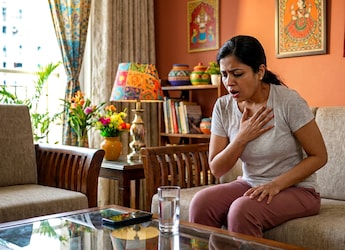
Morning chest heaviness should not automatically be attributed to air pollution. Persistent or worsening symptoms warrant medical evaluation, particularly if accompanied by coughing, wheezing or breathlessness.
- Edited by Sanstuti Nath | Wednesday November 11, 2026 , Islamabad
The Pakistan report said the available evidence did not support attributing Lahore's poor air quality after Diwali to fireworks across the border.
- Written by Sneha Mordani , Edited by Sambhav Kumar | Wednesday November 11, 2026
India should retain the AQI for public advisories but must publish uncapped PM2.5 and PM10 concentrations alongside it. An index may have a ceiling. Pollution does not.

................................ Advertisement ................................


Opinion | Delhi Has Every Pollution Control Policy - Except One That Works
Monday November 09, 2026Every November, Delhi performs the same ritual. We check the AQI before stepping outdoors, children are kept indoors, masks reappear, schools consider shutting, construction is restricted, and emergency meetings are convened. Politicians blame the weather, neighbouring states, farmers, or firecrackers. And then, as the season changes, the urgency d...
दीवाली की चौखट पर दिल्ली में सांसों का संकट: 30 साल की स्टडी ने हरियाली को लेकर क्या बताया?
Thursday November 05, 2026अध्ययन में हरियाली की मात्रा के साथ उसके फैलाव और आपसी जुड़ाव को भी महत्वपूर्ण पाया गया. जिन इलाकों में हरियाली ज्यादा बिखरी हुई थी, वहां सतही तापमान अधिक रहा. इसके विपरीत, बड़े और आपस में जुड़े हरित क्षेत्रों में तापमान कम पाया गया.
Opinion: Why Delhi's Smog Can't Be Fixed From SpaceDavid Fickling, Bloomberg
Monday October 19, 2026The clearest sign that Delhi is on a path to cleaner air would be a decline in the amount of paddy grown nearby, and therefore the acreage liable to be burned each year.
Don't Normalise Air Purifiers As Delhi Chokes | The Reason Why
Thursday December 11, 2025More than 90 cities in the world's top 100 polluting list are in India. With every passing year, the AQI is rising, reaching 'hazardous' levels.
Blog | Well Done, Delhi. You've Turned Lung Sacrifice Into A Badge Of HonourSaikat Kumar Bose
Monday November 10, 2025Till some years back, Delhiites would ask angry questions to those in power about the capitals annual tryst with toxic air. This has changed. Those in the driving seat dont see the need to answer now.



