


- Home/
- PM2.5 Identified As Leading Air Pollutant Driving Global Cancer Burden: Nature Study
PM2.5 Identified As Leading Air Pollutant Driving Global Cancer Burden: Nature Study
| Updated: August 26, 2026 12:34 IST
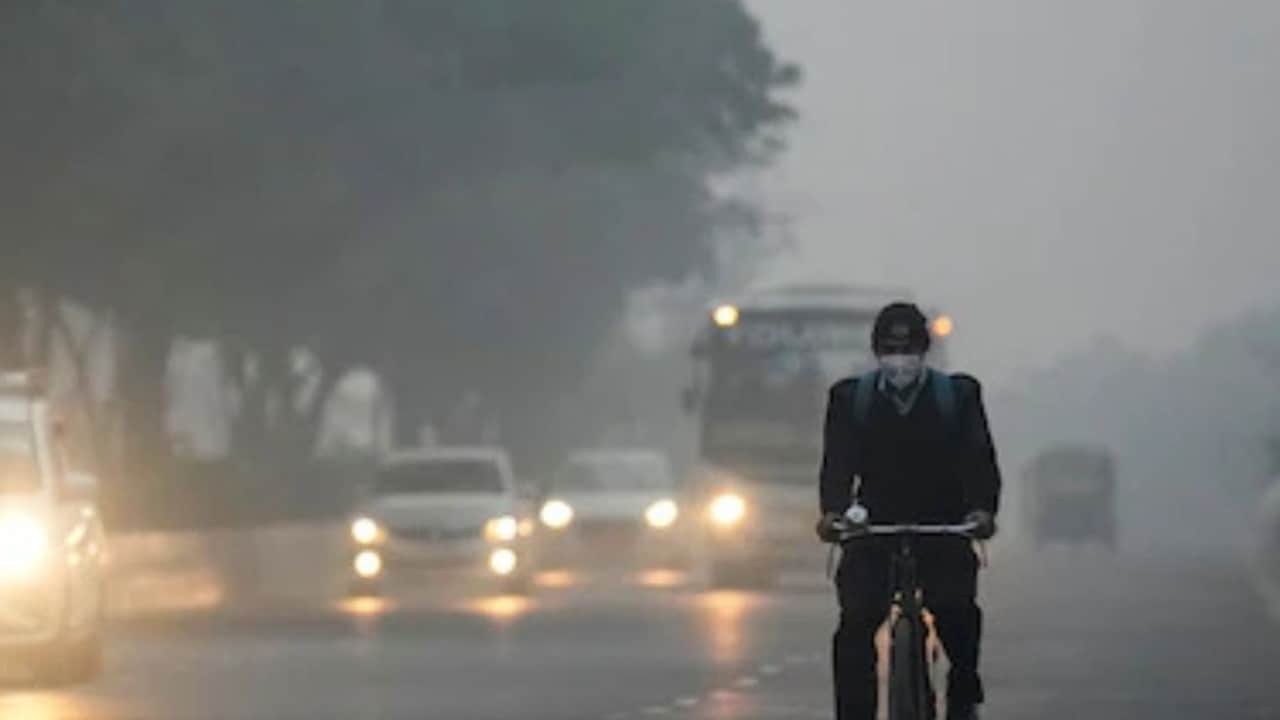
Air pollution adversely affects nearly every organ system in the body
Highlights
- PM2.5 caused 8.82 million cancer cases of 109 million globally from 2000 to 2020
- Each 10 µg/m³ rise in PM2.5, ozone, and NO2 increased cancer risk by 16%, 4.23%, 11.7%
- Women showed greater vulnerability to cancers linked to air pollution exposure
A study that analysed global cancer burden with a long-term exposure to common air pollutants across 952 locations found that PM2.5 is the dominant contributor.
Particulate matter sized under 2.5 microns or 0.0025 millimetres (PM2.5) accounted for 8.82 million cases of the total 109 million cases identified between 2000 and 2020, according to findings published in the journal Nature Health.
Highest preventable fraction of cancers in the population due to PM2.5 exposure was observed for cancers of the respiratory, reproductive and endocrine systems.
Researchers, including those from the Chinese Academy of Sciences, also found that globally, each 10 microgram per cubic metre increase in PM2.5, ozone and nitrous oxide levels was associated with an increased risk of cancer by 16 per cent, 4.23 per cent and 11.7 per cent, respectively.
Exposure to nitrous oxide was attributable to 6.67 million incident cases, while exposure to ozone was attributable to about 2.6 million incident cases during the study period. Women were found to be consistently more vulnerable for most malignancies.
Almost the entire global population (99 per cent) breathes air containing pollutant levels exceeding the World Health Organization's air quality guidelines, with the highest exposures seen in low and middle-income countries, the researchers said.
Air pollution adversely affects nearly every organ system in the body, they said.
"This study evaluated the effects of long-term exposure to PM2.5, O3 (ozone) and NO2 (nitrous oxide) on cancer incidence and quantified their attributable burdens worldwide, encompassing 109 million cases from 952 locations between 2000 and 2020," the authors wrote.
"PM2.5 emerged as the dominant contributor to the global cancer burden, accounting for approximately 8.82 million attributable cases during the study period," they said.
About 17.9 per cent of tracheal, bronchial and lung cancer cases could be prevented if exposure to PM2.5 was removed or addressed, the study found.
The results reinforce the International Agency for Research on Cancer's (IARC) -- the United Nations' cancer agency -- group 1 classification of PM2.5 as a carcinogen, particularly for lung cancer, signifying the existence of definitive, sufficient evidence of PM2.5's carcinogenic properties, the researchers said.
However, the study also showed that PM2.5's cancer-inducing gene mutations extend beyond the respiratory system, particularly cancers of the thyroid, oesophagus, colon and rectal, and breast.
Further, each 10 microgram per cubic metre increase in PM2.5 was found to correspond with a 17.9 per cent higher risk of kidney cancer and a 21.1 per cent higher risk of bladder cancer.
Biologically, PM2.5 exerts broad cancer-related impacts, possibly due to its small size and driving multiple processes, including systemic oxidative stress, DNA damage and immune dysregulation, the researchers said.
The study uses high-quality, globally representative cancer datasets involving populations from low, middle and high-income countries and therefore, ensures a generalisability of the findings, they said.
The findings provide critical evidence to inform air quality policies, the team added.
(Except for the headline, this story has not been edited by NDTV staff and is published from a syndicated feed.)
Published: August 26, 2026 12:12 IST
also read
Keerthy Suresh's 41-Hour No-Sleep Stretch: How It Affects Your Brain And Heart
Written by Sambhav KumarBlood Filtration May Help Lower Cholesterol And Microplastics In Your Body: Study
Written by Sambhav KumarWhen A Persistent Cough Is More Than Just 'Pollution' Or 'Acidity': The Red Flags To Watch For
Written by Debosmita Ghosh
 Wednesday August 26, 2026
Almost the entire global population (99 per cent) breathes air containing pollutant levels exceeding the World Health Organization's air quality guidelines, with the highest exposures seen in low and middle-income countries, the researchers said.
- Reported by Reet Kaur Sahni | Friday August 07, 2026
As per the ministry, prior Environmental Clearance becomes mandatory for data centres depending on their physical footprint under Schedule 8 of the EIA Notification, 2006.
- Written by Sambhav Kumar | Thursday August 06, 2026
Keerthy Suresh's 41-hour no-sleep stretch highlights the intense demands many professionals face, but experts warn that prolonged sleep deprivation should never become routine.
- Written by Sambhav Kumar | Wednesday August 05, 2026
Preliminary evidence suggests the blood filtration treatment could reduce some microplastic particles, though findings are limited and require more study.
- Monday August 03, 2026 , New Delhi
Study reveals black crust from pollution weakens Humayuns Tomb sandstone



................................ Advertisement ................................




Blog | Well Done, Delhi. You've Turned Lung Sacrifice Into A Badge Of HonourSaikat Kumar Bose
Monday November 10, 2025Till some years back, Delhiites would ask angry questions to those in power about the capitals annual tryst with toxic air. This has changed. Those in the driving seat dont see the need to answer now.
Opinion | Why Indians Have Just Given Up On Air Pollution CrisisTanushree Ganguly
Friday December 20, 2024While some may argue that people in Delhi are now more aware of air pollution than they were a decade back, my rebuttal would be that awareness does not mean that people are concerned.
Opinion | You Must Outrage Over Filthy Air More Than Once A YearJyoti Pande Lavakare
Tuesday December 10, 2024Delhi welcomed us with monsoon rains and mangos. We were home. Fast forward a couple of years, in the winter of 2012, I found myself in denial about something other parents, mostly expats, were calling toxic air.
Opinion | Delhi's Air Pollution Situation Is Like A Bad MarriageNishtha Gautam
Friday November 22, 2024On a good day, such as today, the AQI reading in Delhi is 407. We are jubilant at the sickly sunshine trickling through the slightly dissipated smog. At least its not 1600.
दिवाली... पराली... सियासी जुगाली!Ashwini kumar
Monday November 18, 2024दिल्ली-एनसीआर में प्रदूषण का समाधान तो आज तक मिला नहीं. हर साल चिंतित होकर हम-आप सांसों की तकलीफ के साथ-साथ दिल और ब्लड प्रेशर के मरीज भी क्यों बनें?


