


- Home/
- Super El Nino Health Impacts: Doctors Explain How Indians Will Be Affected, Share Precautions
Super El Nino Health Impacts: Doctors Explain How Indians Will Be Affected, Share Precautions
Written by Shreya Goswami | Updated: April 28, 2026 17:50 IST
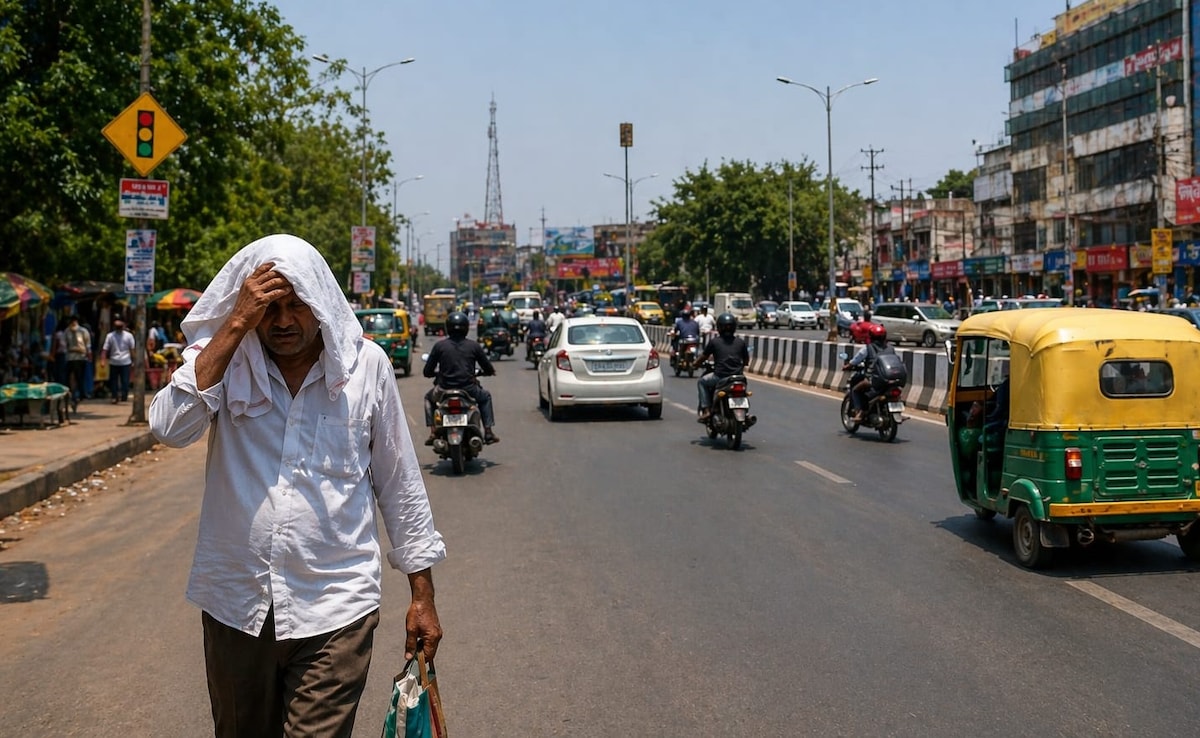
The cascading effects of a Super El Nino can strain both individuals and healthcare systems
Highlights
- El Nino's intensification into Super El Nino worsens heatwaves and disrupts rainfall in India
- Heatwaves increase heatstroke, dehydration, especially among children, elderly, and chronic patients
- High temperatures worsen air pollution, triggering asthma and respiratory issues in vulnerable groups
Climate events are no longer distant environmental phenomena; they are increasingly shaping public health outcomes. Among them, El Nino, a warming of ocean surface temperatures in the Pacific, has far-reaching consequences across the globe. When intensified into a "Super El Nino" its effects become even more pronounced, disrupting weather systems and amplifying extreme conditions. In India, this can mean prolonged heatwaves, erratic rainfall, water scarcity in some regions, and flooding in others. While these changes are often discussed in terms of agriculture and the economy, doctors warn that the health implications are just as serious, and often underestimated.
From dehydration and heatstroke to respiratory illnesses and vector-borne diseases, the cascading effects of a Super El Nino can strain both individuals and healthcare systems. Vulnerable populations, including children, the elderly, and those with chronic illnesses, are particularly at risk.
As India braces for increasingly unpredictable weather patterns, understanding how such climate events impact health, and what can be done to mitigate these risks, has never been more important. Here's what doctors say about the potential health impacts of a Super El Nino and how to stay protected.
What is a Super El Nino and why does it matter for health?
El Nino is a natural climate pattern, but a "Super El Nino" significantly amplifies its effects. According to the World Meteorological Organization (WMO), strong El Nino events are linked to higher global temperatures and increased frequency of extreme weather events.
"Super El Nino typically raises baseline temperatures and reduces rainfall across parts of India, which translates on the ground into longer, more intense heat waves, poorer air quality, and higher risk of dehydration-related illness," Dr. Swati Maheshwari, Additional Director - Internal Medicine, Fortis Manesar, explains. This combination of heat and environmental stress creates multiple pathways for health risks.
Also Read: 'Super El Nino' In 2026? Possible Global Climate Impacts Explained
Rising heatwaves and dehydration risks
One of the most immediate impacts is the surge in heat-related illnesses. "From a medical perspective, we expect a rise in heat exhaustion and heat stroke, especially among outdoor workers, children, the elderly, and people with chronic conditions like heart disease, kidney disease, or diabetes," says Dr. Maheshwari.
The World Health Organization (WHO) warns that heatwaves can overwhelm the body's ability to regulate temperature, leading to life-threatening conditions. Symptoms such as dizziness, confusion, and reduced sweating should not be ignored. "Prolonged heatwaves increase cases of dehydration, heat exhaustion, and heatstroke. We often see a spike in hospital visits during extreme heat periods," adds Dr. Manoj Kumar, Consultant - Internal Medicine, Manipal Hospital, Vijayawada.
Air pollution and respiratory issues
Heat doesn't act alone, it worsens air quality. "High temperatures also worsen pollution and dust levels, aggravating asthma and other respiratory problems," Dr. Maheshwari notes. Higher temperatures accelerate the formation of ground-level ozone, a harmful pollutant that can trigger breathing difficulties, especially in urban areas. People with asthma, chronic obstructive pulmonary disease (COPD), or allergies may experience more frequent flare-ups during such periods.
Water, food safety, and infectious diseases
Erratic rainfall patterns linked to El Nino can create a dual burden, drought in some areas and flooding in others. "El Nino disrupts rainfall patterns. Some regions face drought, leading to water scarcity and poor sanitation, while others may experience intense, erratic rains that increase the risk of vector-borne diseases like dengue and malaria," Dr. Kumar explains.
The National Centre for Vector Borne Diseases Control (NCVBDC) in India highlights that stagnant water during irregular rainfall creates ideal breeding grounds for mosquitoes. Dr. Maheshwari also warns: "Food and water contamination during erratic weather can increase diarrheal illnesses."
Hidden impacts: Sleep, fatigue, and productivity
Beyond visible illnesses, there are subtler health effects. "Persistent heat leads to sleep disturbance, fatigue, and reduced work capacity, quietly affecting overall health," says Dr. Maheshwari. High nighttime temperatures disrupt sleep cycles, which can impact mental health, immunity, and cognitive function over time.
"Crop disruptions can affect nutrition, particularly in vulnerable populations, increasing risks of deficiencies and weakened immunity," Dr. Kumar also points to broader implications.
Who is most at risk?
Both experts highlight vulnerable groups:
- Outdoor workers
- Children
- Elderly individuals
- People with chronic illnesses (heart, kidney, diabetes)
- Individuals on medications like diuretics or blood pressure drugs
"People on medications such as diuretics or blood pressure drugs should be extra cautious and consult their doctor if symptoms worsen," advises Dr. Maheshwari.
Precautions: What can Indians do?
The good news is that many risks are preventable with simple, consistent measures. "Avoid outdoor exposure during peak heat hours (12-4 pm), stay well hydrated with water and oral rehydration solutions rather than just sugary drinks, wear loose, light-coloured cotton clothing, and never ignore early warning signs," Dr. Maheshwari recommends.
Dr. Kumar adds: "Stay well-hydrated even if you don't feel thirsty... Ensure proper storage of water and food to prevent contamination. Using mosquito protection nets, repellents, and eliminating stagnant water is critical."
Key preventive steps include:
- Hydration: Drink water regularly; include ORS during extreme heat.
- Limit sun exposure: Avoid stepping out during peak afternoon hours.
- Protect against mosquitoes: Use nets, repellents, and remove stagnant water.
- Maintain hygiene: Ensure safe food and drinking water.
- Community care: "Checking on vulnerable individuals, ensuring access to clean drinking water, and creating shaded, ventilated spaces can significantly reduce harm," Dr. Maheshwari emphasises.
A Super El Nino is not just a climate anomaly, it is a public health challenge with far-reaching consequences. From heatwaves and pollution to infections and nutrition risks, its impact touches multiple aspects of daily life in India. However, doctors stress that awareness and preparedness can significantly reduce these risks. By adopting simple preventive measures and staying alert to early warning signs, individuals and communities can protect themselves against the health effects of extreme climate events.
Disclaimer: This content, including advice, provides generic information only. It is in no way a substitute for a qualified medical opinion. Always consult a specialist or your own doctor for more information. NDTV does not claim responsibility for this information.
Published: April 28, 2026 17:31 IST
also read
Delhi AQI: Is Toxic Air Making You Tired? Impact Of Air Pollution On Energy, Sleep And Concentration
Written by Debosmita GhoshHeavy Chest In The Morning Amid High AQI: Why It Happens And How To Get Relief
Written by Sambhav KumarIt's Not Just AQI: Why Tiny Particulate Matter Poses A Bigger Health Risk
Written by Sneha Mordani, Edited by Sambhav Kumar
 Delhi AQI: Is Toxic Air Making You Tired? Impact Of Air Pollution On Energy, Sleep And ConcentrationWritten by Debosmita Ghosh | Wednesday November 11, 2026
Fine particles such as PM2.5 can enter deep into the lungs and lead to inflammation and oxidative stress in the body. Prolonged exposure may also affect the cardiovascular system and overall physical health.
- Written by Niharika Raj | Wednesday November 11, 2026
A Pakistani air quality body has found no evidence linking Lahore's post-Diwali smog to fireworks in India, pointing instead to thousands of crop-residue fires in Pakistan's own Punjab.
- Written by Sambhav Kumar | Wednesday November 11, 2026
Morning chest heaviness should not automatically be attributed to air pollution. Persistent or worsening symptoms warrant medical evaluation, particularly if accompanied by coughing, wheezing or breathlessness.
- Edited by Sanstuti Nath | Wednesday November 11, 2026 , Islamabad
The Pakistan report said the available evidence did not support attributing Lahore's poor air quality after Diwali to fireworks across the border.
- Written by Sneha Mordani , Edited by Sambhav Kumar | Wednesday November 11, 2026
India should retain the AQI for public advisories but must publish uncapped PM2.5 and PM10 concentrations alongside it. An index may have a ceiling. Pollution does not.

................................ Advertisement ................................

Opinion | Delhi Has Every Pollution Control Policy - Except One That Works
Monday November 09, 2026Every November, Delhi performs the same ritual. We check the AQI before stepping outdoors, children are kept indoors, masks reappear, schools consider shutting, construction is restricted, and emergency meetings are convened. Politicians blame the weather, neighbouring states, farmers, or firecrackers. And then, as the season changes, the urgency d...
दीवाली की चौखट पर दिल्ली में सांसों का संकट: 30 साल की स्टडी ने हरियाली को लेकर क्या बताया?
Thursday November 05, 2026अध्ययन में हरियाली की मात्रा के साथ उसके फैलाव और आपसी जुड़ाव को भी महत्वपूर्ण पाया गया. जिन इलाकों में हरियाली ज्यादा बिखरी हुई थी, वहां सतही तापमान अधिक रहा. इसके विपरीत, बड़े और आपस में जुड़े हरित क्षेत्रों में तापमान कम पाया गया.
Opinion: Why Delhi's Smog Can't Be Fixed From SpaceDavid Fickling, Bloomberg
Monday October 19, 2026The clearest sign that Delhi is on a path to cleaner air would be a decline in the amount of paddy grown nearby, and therefore the acreage liable to be burned each year.
Don't Normalise Air Purifiers As Delhi Chokes | The Reason Why
Thursday December 11, 2025More than 90 cities in the world's top 100 polluting list are in India. With every passing year, the AQI is rising, reaching 'hazardous' levels.
Blog | Well Done, Delhi. You've Turned Lung Sacrifice Into A Badge Of HonourSaikat Kumar Bose
Monday November 10, 2025Till some years back, Delhiites would ask angry questions to those in power about the capitals annual tryst with toxic air. This has changed. Those in the driving seat dont see the need to answer now.



