


'kushalta ke kadam' - 194 News Result(s)
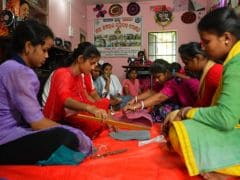 Team NDTV | Monday February 16, 2026
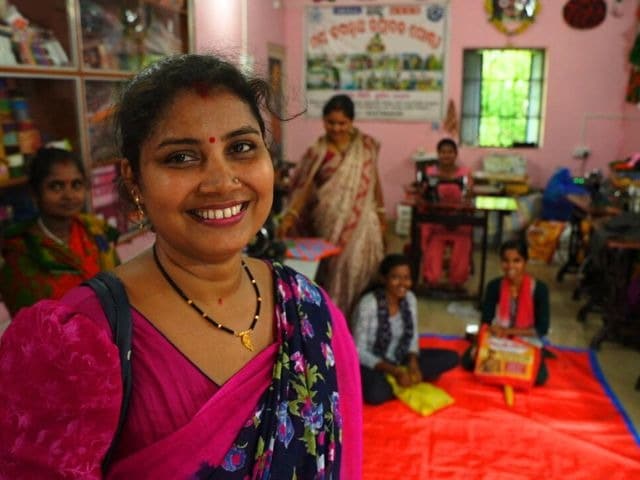
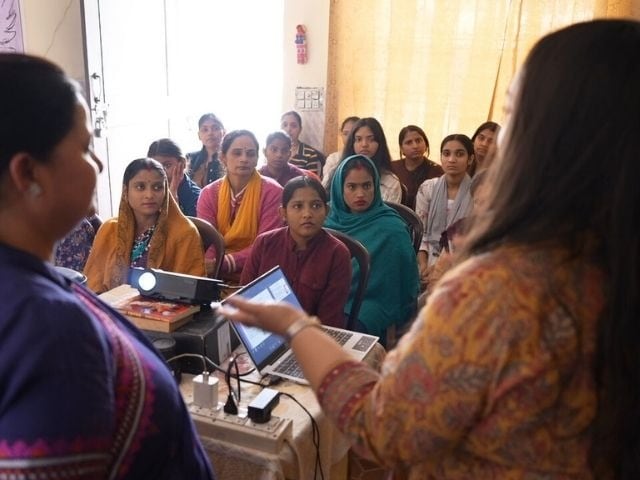
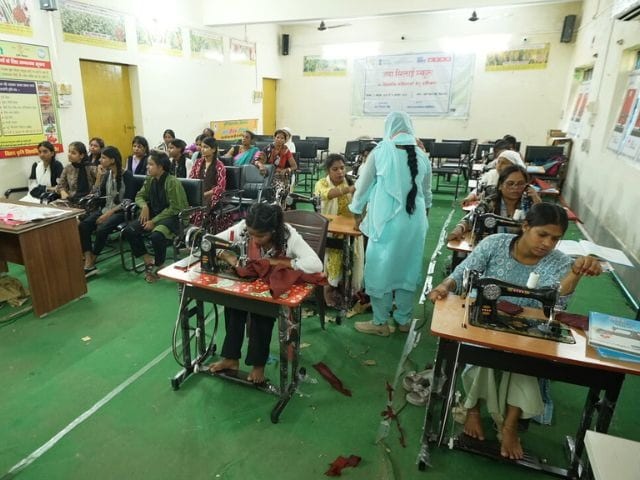
Odisha's Suchismita Sahu, Rajasthan's Preeti Prajapat, Manipur's Akhirun—Usha Silai School's Kushalta Ke Kadam celebrates these awardees, from homemakers to master trainers earning accolades
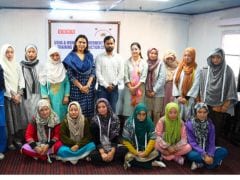 Team NDTV | Thursday February 12, 2026
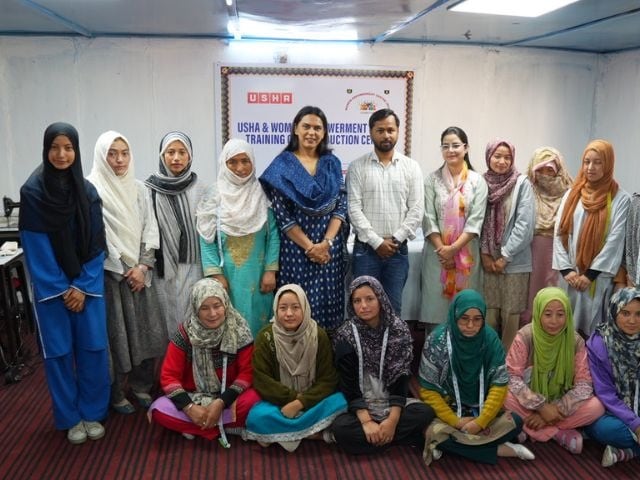
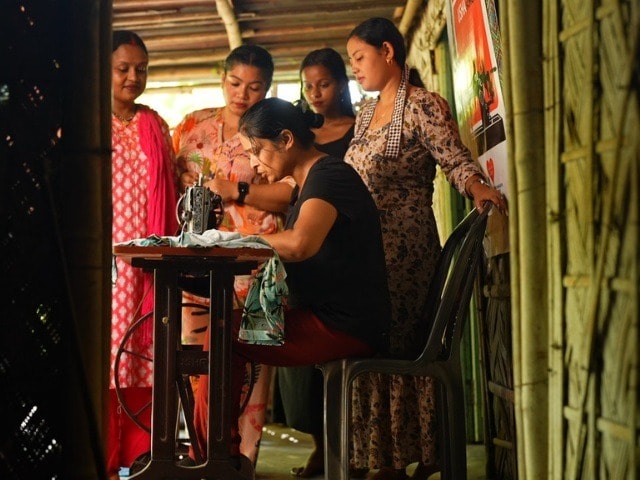
From Ladakh peaks to Assam fringes, Usha Silai School trains tribal women in Turtuk, Kargil & Dakhinkuchi—crafting livelihoods with armed forces, NHPC & NGOs. Stitching national resilience
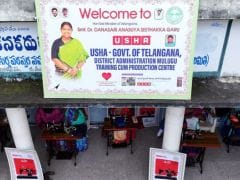 Team NDTV | Thursday January 29, 2026
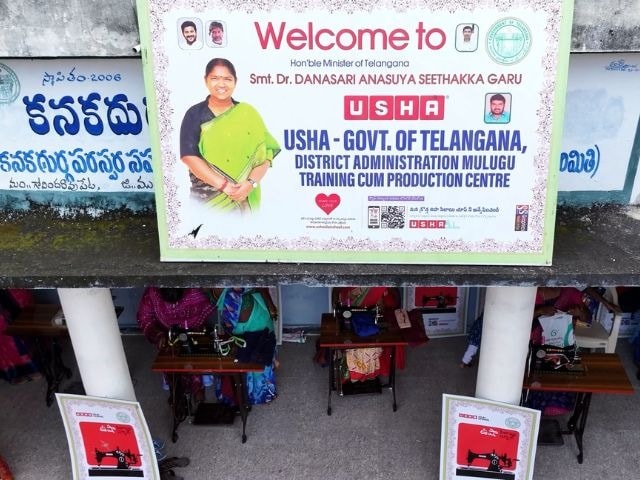
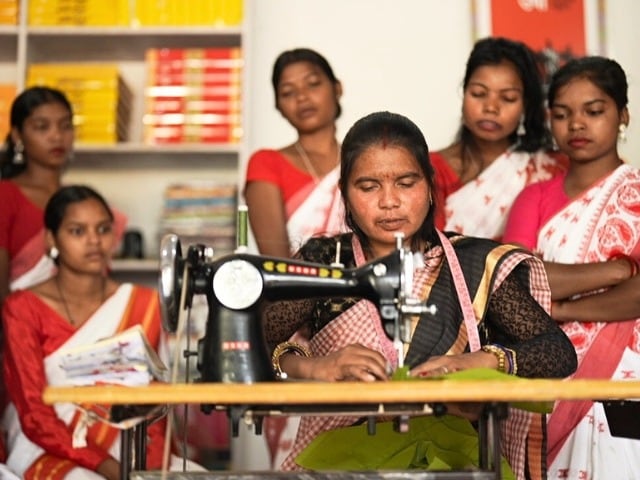
From West Bengal's transgender tailors to Telangana's tribal seamstresses and Meghalaya's embroidery revivalists, Usha Silai School's Kushalta Ke Kadam partners with NIRDPR and state governments
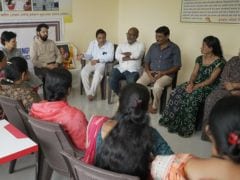 Team NDTV | Tuesday February 03, 2026
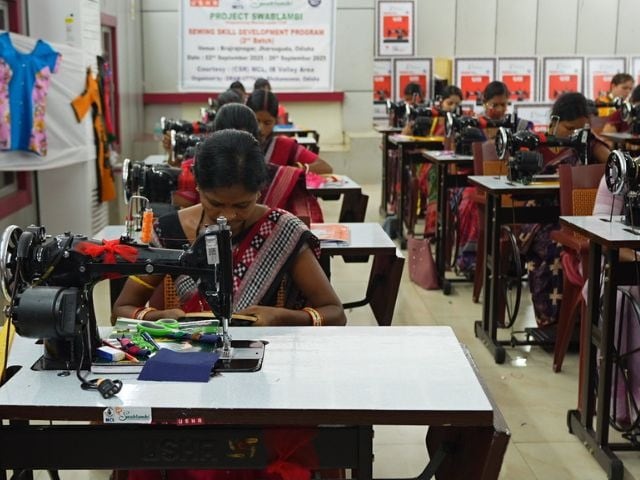
In Odisha's mining heartlands, Mahanadi Coalfields Limited teams with Usha Silai School's Kushalta Ke Kadam and Gram Utthan, empowering tribal women turning them into entrepreneurs
 Team NDTV | Thursday January 15, 2026
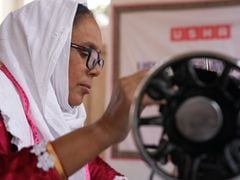
Noida's reusable pads break menstrual taboos, Hardoi's master trainers scale via NITI Aayog, Hoshangabad women master digital finance—Usha Silai School's Kushalta Ke Kadam with NDTV stitches knowledge into power
 Team NDTV | Wednesday January 07, 2026
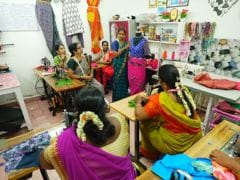
From Madhya Pradesh's stigma to Bihar's child marriages, Usha Silai School's NDTV-backed Kushalta Ke Kadam empowers women like Kalpana and Shabnam to stitch dignity and self-reliance
 Written by Team NDTV | Friday January 02, 2026
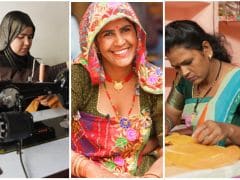
Usha Silai Schools give second chances to women like Srinagar's Marifat, who rebuilt after widowhood; Madhya Pradesh's Jyoti, escaping abuse to run her own center; and Rajasthan's Vimla, rising from child marriage to tailor and teacher. Through nine-day training, they gain sewing skills, confidence, and income proving one stitch mends lives and inspires communities.
 Team NDTV | Friday December 26, 2025
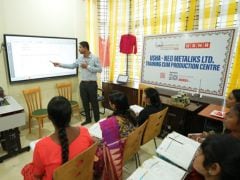
A new wave of corporate-community partnerships is equipping rural women with skills, income and confidence
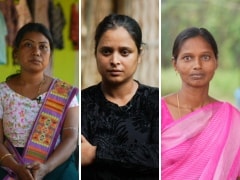 Written by Team NDTV | Friday December 12, 2025
USHAs Silai School Programme empowers women across India by turning sewing into independence. Women become trainers and leaders, transforming their lives and communities through skills, confidence, and income
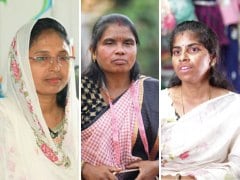 Written by Team NDTV | Thursday December 11, 2025
USHA Silai School is empowering women across India by turning sewing skills into leadership and income. Women like Lalita, Yashira, and Pushpakala have become mentors, reviving traditions and building stronger communities. Their stories show how one skill can weave a brighter future.
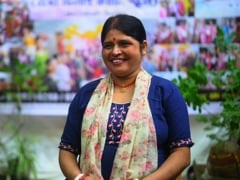 Written by Team NDTV | Wednesday December 10, 2025
From homemaker to celebrated teacher, Lakhi Debnath transformed her life via Usha Silai School, funding her daughters' education and buying land through tailoring
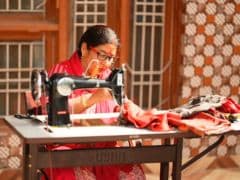 Written by Team NDTV | Tuesday December 09, 2025
In Takkar Birpur village, Jammu and Kashmir, Kanta Devi escaped domestic violence and poverty through the Usha Silai School's tailoring training. Earning ₹10,00020,000 monthly, she now teaches women in border areas while inspiring her daughter Tanya to dream of a bourtique
 Written by Team NDTV | Thursday December 11, 2025
The USHA Silai School Program empowers women across India by teaching sewing skills, enabling them to earn an income, achieve financial independence, and build better futures for themselves and their families.
 Team NDTV | Saturday March 22, 2025
The USHA Silai School Program empowers women across India with sewing skills, transforming them into trainers and fostering community growth and independence
 Team NDTV | Thursday March 13, 2025
Celebrating women entrepreneurs and their handmade crafts, empowering communities through creativity at the 5th Meghalaya Aajivika Saras Mela
 Team NDTV | Tuesday February 03, 2026
USHA Silai School in Ramanathapuram empowers local women through tailoring education, enabling them to build businesses and achieve financial independence
 Team NDTV | Monday March 10, 2025
Mamata Devi's inspiring journey from hardship to empowerment through sewing training, uplifting her community and transforming lives
 Team NDTV | Thursday March 06, 2025
Women in rural India, like Geetaben and Leelaben, are transforming lives through Silai Schools and Training Cum Production Centres, fostering empowerment, skill development, and community resilience
 Team NDTV | Wednesday March 05, 2025
Anwara Begum's journey with USHA Silai School in Odisha showcases her transformation into a successful entrepreneur, empowering her community and inspiring young girls toward financial independence
 Team NDTV | Wednesday March 05, 2025
Prabha turned her life around through the USHA Silai School, empowering herself and other women with sewing skills and financial independence
 Team NDTV | Tuesday February 25, 2025
The USHA Silai School empowers women in Ariyalur, like Menaka, fostering financial independence and reshaping family dynamics through essential vocational training
 Team NDTV | Thursday February 20, 2025
USHA International and Rourkela Steel Plant empower rural Odisha women through sewing training, fostering financial independence, sustainable livelihoods and boosting local economies
 Team NDTV | Wednesday February 19, 2025
USHA Silai School and NTPC's Jharkhand initiative builds skills and fosters financial freedom for woman like Jasinta Devi
 Team NDTV | Thursday February 20, 2025
USHA partners with Mahanadi Coalfields Limited (MCL) and Gram Utthan to empower women in Odisha through the USHA Silai School, transforming skills into livelihoods and fostering a brighter future
'kushalta ke kadam' - 34 Photo Result(s)


 NDTV News Desk | Thursday April 02, 2020
Prime Minister Narendra Modi today announced a total lockdown in India from midnight for 21 days to fight the spread of coronavirus.
- NDTV News Desk | Friday April 03, 2020
India must also straight away allow internationally-recognized testing kits to be used here - these are already in use in the USA and Europe (do not delay by waiting for Indian clearance).
- Written by Garima Arora | Sunday April 12, 2020
Coronavirus outbreak: Take necessary precautions. Practise personal hygiene and social isolation. Utilise this time to do all the things you never found the time to do earlier. Here are some more tips to maintain your mental health by Psychiatrist Dr Sanjay Chugh
- NDTV News Desk | Thursday April 02, 2020
Hopefully, you are following social distancing and not mingling, especially with large groups or in crowded places. Can wearing a mask help? Here's what doctors say:
- NDTV News Desk | Thursday April 02, 2020
People across the world are worried about the rising cases of COVID-19, a highly contagious disease caused by the Novel Coronavirus that was first detected in China's Wuhan in December last year. What should you do if you're feeling any little ill, flu-ish and you are worried that you have symptoms of coronavirus?
- Edited by Deepshikha Ghosh | Thursday April 02, 2020
Coronavirus India: Airlines have been asked to ensure distance at check-in counters and enough space as passengers wait for their flights
- Dr P Raghu Ram | Thursday April 02, 2020
With some 400 positive cases within a population of 1.3 billion, the burning question in the minds of many is whether India is under-reporting. Until a couple of days ago, there were strict, conservative criteria for COVID 19 testing.


Soap or sanitizer?
Soap and water is still the best way to clean your hands. Wash your hands often with soap and water for at least 20 seconds.

How to wash with soap
Wash hands with warm or cold water. Lather soap to get it on the backs of hands, between fingers and under finger nails before rinsing off. According to the Centres for Disease Control and Prevention, the time spent should be 20 seconds (or the time taken to sing the “Happy Birthday” song from beginning to end twice).

What is the right sanitizer?
If soap and water are not available, use a hand sanitizer with at least 60 per cent alcohol.

How to use sanitizer
The hand sanitizer should be applied to one palm before rubbing the hands together. While rubbing, the gel should be spread all over the hands and fingers, covering all surfaces until completely dry.

Can we use anything else to disinfect?
Cleansers and wipes are effective in cleaning and disinfecting objects and surfaces that are frequently touched.

Why alcohol-based sanitisers?
Alcohol is effective at killing different types of microbes, including both viruses and bacteria. Coronavirus is the type of virus with an outer wrapping, called an envelope, which alcohol can kills.

Is Vodka ok to use as sanitizer?
Despite many DIY sites and programmes suggesting it, vodka doesn’t have enough alcohol content to effectively kill microbes.


