


- Home/
- Delhi Air Pollution: How Long Does It Actually Take Your Lungs To Recover?
Delhi Air Pollution: How Long Does It Actually Take Your Lungs To Recover?
Written by Debosmita Ghosh | Updated: November 12, 2026 20:14 IST
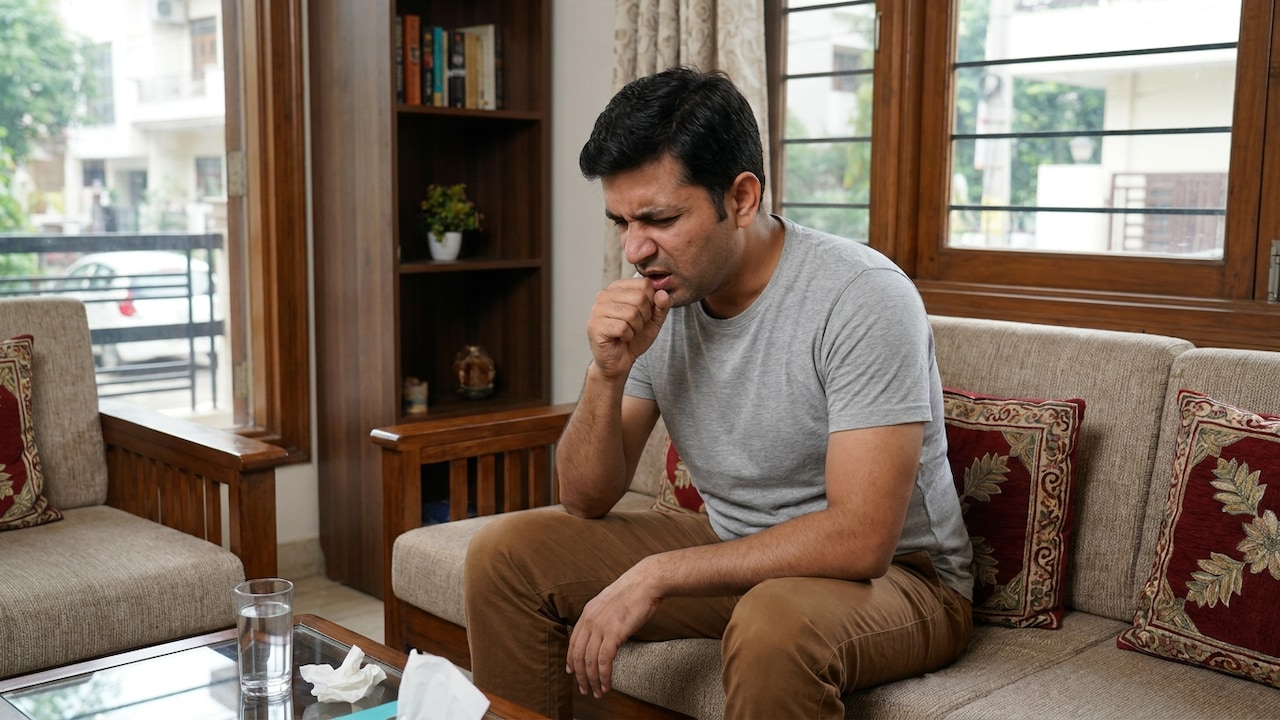
People living in polluted cities may experience repeated inflammation because exposure continues for days
Highlights
- Delhi-NCR recorded very poor air quality with AQI values between 317 and 400 on November 12
- PM2.5 particles in polluted air can cause lung inflammation and worsen respiratory conditions
- Lung recovery time varies based on exposure duration, intensity, age, and health status
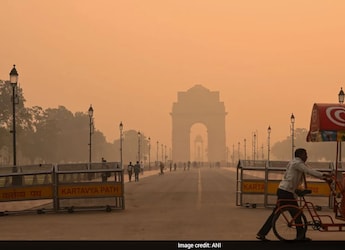
Delhi and the National Capital Region (NCR) are once again battling very poor air quality. On Thursday (November 12), Delhi's overall AQI was around 317-325, putting it in the 'very poor' category, while several monitoring stations recorded readings above 350 and some crossed 400. The thick layer of smog contains fine particles such as PM2.5, which can enter deep into the respiratory system and cause irritation and inflammation.
For people living in Delhi-NCR, repeated exposure to polluted air can mean that the lungs rarely get a prolonged break. Pollutants can cause coughing, throat irritation, wheezing, breathlessness and worsening of asthma or other respiratory conditions. But what happens after you move away from polluted air or the air quality improves? Do the lungs recover quickly, or does the damage continue? The answer depends on the intensity and duration of exposure, a person's age and existing health conditions. Read on to know more.
How Does Air Pollution Affect The Lungs?
When you inhale polluted air, tiny particles can travel beyond the nose and throat and reach the smaller airways and air sacs of the lungs. PM2.5 is particularly concerning due to its small size. The particles can cause inflammation and increase oxidative stress in lung tissue.
Short-term exposure may cause temporary irritation, coughing, wheezing, mucus production or breathlessness. Repeated exposure can keep the airways inflamed and may worsen conditions such as asthma and chronic obstructive pulmonary disease (COPD). Some particles can also stay in deeper parts of the lungs for much longer than particles that are trapped in the upper airways.
How Long Does It Take For Your Lungs To Recover?
There is no single recovery time for everyone. It depends on how much pollution a person was exposed to and whether the exposure was brief or repeated.
- After a short exposure: For an otherwise healthy person, the irritation caused by particle pollution can start settling once exposure stops. Respiratory effects may get better in the next few days, depending on the intensity of exposure.
- After several days of heavy pollution: If someone has spent days breathing highly polluted air, the airways may remain irritated even after the AQI improves. Studies have found that respiratory effects from high air pollution can be present for at least several days and, for some conditions, longer than a week.
- After a prolonged pollution episode: Recovery can take weeks when exposure has been intense or prolonged. Experimental research on high-concentration PM2.5 exposure found that some lung tissue damage showed partial recovery after about 15 days without exposure. But, this should not be interpreted as a fixed recovery period.
- After repeated seasonal exposure: People living in polluted cities may experience repeated inflammation because exposure continues day after day. In such cases, there may not be a clear point wherein the lungs completely 'reset'. Reducing exposure becomes more important than waiting for a particular number of days.
Do The Lungs Completely Clean Themselves?
The lungs have natural defence mechanisms, including mucus and tiny hair-like structures called cilia, which help trap and move particles out of the airways. Immune cells in the lungs also help remove particles that reach deeper areas. However, not every particle is removed quickly. Research on particulate matter suggests that particles deposited in the deeper parts of the lungs can take weeks to years to clear, depending on their size and location.
What Can Help Your Lungs Recover?
The most important step is to reduce further exposure while the lungs recover.
- Limit outdoor exposure: Avoid unnecessary outdoor activity when AQI levels are very poor or severe, particularly during peak pollution periods.
- Wear a well-fitting mask: A properly fitted N95 or equivalent respirator can reduce inhalation of fine particles when you need to go outside.
- Keep indoor air cleaner: Keep windows closed when outdoor pollution is high and avoid adding indoor pollutants such as cigarette smoke, incense and unnecessary burning.
- Avoid strenuous outdoor exercise: Running or intense workouts outdoors can increase the amount of polluted air you breathe. Choose indoor exercise when air quality is poor.
- Spot the symptoms: Persistent cough, wheezing, chest tightness or breathlessness should not simply be blamed on the weather. People with asthma, COPD or heart and lung disease should check with a doctor.
When Should You See A Doctor?
A cough or mild throat irritation after a polluted day may improve as exposure falls. However, persistent or worsening breathlessness, chest pain, severe wheezing, bluish lips, confusion or difficulty breathing requires medical attention. For most healthy people, the lungs can recover from the effects of short-term pollution exposure once the exposure stops. But recovery is not necessarily immediate, and repeated exposure can prolong inflammation and increase health risks.
Disclaimer: This content including advice provides generic information only. It is in no way a substitute for a qualified medical opinion. Always consult a specialist or your own doctor for more information. NDTV does not claim responsibility for this information.
Published: November 12, 2026 20:04 IST
also read
Lifeline Originals | Oxygen Cylinders, Cancer, Soot: Inside Loni's Year-Round Air Crisis
Written by Sneha MordaniCan Pollution Affect Your Brain? The Neurological Side Of Delhi's Air Crisis
Written by Tanushka DuttaThe Economic Cost Of Toxic Air: How Pollution Impacts Workforce Productivity And Healthcare Spending
Written by Dr Sabine Kapasi
 Written by Vishesh Nagar | Thursday November 12, 2026
The ranking was led by Bulandshahr, followed by Aligarh and Faridkot, as AQI readings crossed 600 in all 10 cities.
- Written by Debosmita Ghosh | Thursday November 12, 2026
There is no single recovery time for everyone. It depends on how much pollution a person was exposed to and whether the exposure was brief or repeated.
- Written by Vishesh Nagar | Thursday November 12, 2026
The national capital's AQI was above 600, significantly higher than the readings recorded in Mumbai, Kolkata, Chennai, Hyderabad and Bengaluru.
- Written by Sneha Mordani | Thursday November 12, 2026
Worse than Delhi, Loni is the world's most polluted city. Beyond Diwali, illegal kilns, dust, and toxic waste make every breath a daily battle.
- Written by Tanushka Dutta | Thursday November 12, 2026
Studies have linked long-term exposure to particulate matter, particularly PM2.5, with changes in brain structure, accelerated brain ageing and a higher risk of dementia.

................................ Advertisement ................................
Opinion | Delhi Has Every Pollution Control Policy - Except One That Works
Monday November 09, 2026Every November, Delhi performs the same ritual. We check the AQI before stepping outdoors, children are kept indoors, masks reappear, schools consider shutting, construction is restricted, and emergency meetings are convened. Politicians blame the weather, neighbouring states, farmers, or firecrackers. And then, as the season changes, the urgency d...
दीवाली की चौखट पर दिल्ली में सांसों का संकट: 30 साल की स्टडी ने हरियाली को लेकर क्या बताया?
Thursday November 05, 2026अध्ययन में हरियाली की मात्रा के साथ उसके फैलाव और आपसी जुड़ाव को भी महत्वपूर्ण पाया गया. जिन इलाकों में हरियाली ज्यादा बिखरी हुई थी, वहां सतही तापमान अधिक रहा. इसके विपरीत, बड़े और आपस में जुड़े हरित क्षेत्रों में तापमान कम पाया गया.
Opinion: Why Delhi's Smog Can't Be Fixed From SpaceDavid Fickling, Bloomberg
Monday October 19, 2026The clearest sign that Delhi is on a path to cleaner air would be a decline in the amount of paddy grown nearby, and therefore the acreage liable to be burned each year.
Don't Normalise Air Purifiers As Delhi Chokes | The Reason Why
Thursday December 11, 2025More than 90 cities in the world's top 100 polluting list are in India. With every passing year, the AQI is rising, reaching 'hazardous' levels.
Blog | Well Done, Delhi. You've Turned Lung Sacrifice Into A Badge Of HonourSaikat Kumar Bose
Monday November 10, 2025Till some years back, Delhiites would ask angry questions to those in power about the capitals annual tryst with toxic air. This has changed. Those in the driving seat dont see the need to answer now.



