


- Home/
- Delhi's AQI Soars Past 600; How Bad Is Air Quality In Mumbai, Chennai And Other Cities?
Delhi's AQI Soars Past 600; How Bad Is Air Quality In Mumbai, Chennai And Other Cities?
Written by Vishesh Nagar | Updated: November 12, 2026 19:41 IST
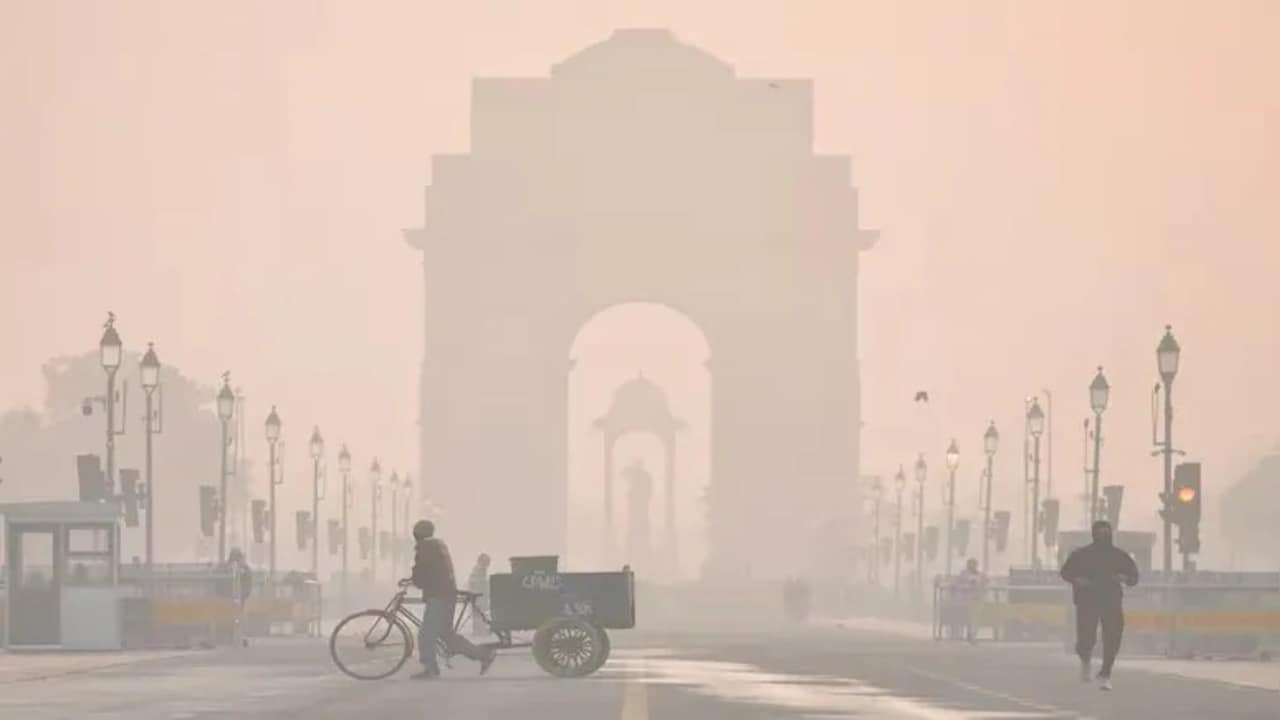
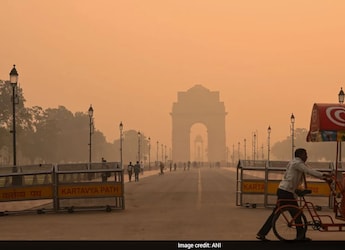
New Delhi recorded the highest Air Quality Index (AQI) among six Indian cities, with a reading of 613, indicating hazardous levels of air pollution. The national capital's AQI was significantly higher than that of the other five cities.
Among the other cities, Hyderabad recorded an AQI of 166, followed by Chennai at 164 and Kolkata at 156. Mumbai reported an AQI of 135, while Bengaluru recorded 110.
The readings highlight the difference in air quality across Indian cities, with New Delhi facing considerably higher pollution levels than the other five cities.
India's Cities AQI Today
The air quality readings across six Indian cities are:
| City | AQI |
| New Delhi | 613 |
| Hyderabad | 166 |
| Chennai | 164 |
| Kolkata | 156 |
| Mumbai | 135 |
| Bengaluru | 110 |
What Do The AQI Readings Mean?
The Air Quality Index is used to measure air pollution levels and indicate their potential impact on health. India's Central Pollution Control Board (CPCB) classifies AQI readings into six categories.
An AQI between 0 and 50 is classified as 'Good', while readings between 51 and 100 are considered 'Satisfactory'. The 'Moderate' category covers readings between 101 and 200, followed by 'Poor' (201-300), 'Very Poor' (301-400) and 'Severe' (401-500).
New Delhi's reading of 613 is above the upper limit of the CPCB's 0-500 AQI scale. The other five cities fall in the 'Moderate' category.
Even at moderate AQI levels, people with asthma or other respiratory conditions, children and older adults may experience breathing discomfort. Sensitive individuals should monitor local air quality updates and consider limiting prolonged or strenuous outdoor activity when pollution levels rise.
What Are PM2.5 And PM10?
The AQI is calculated using different air pollutants, including particulate matter.
PM2.5 refers to fine particles with a diameter of 2.5 micrometres or less, while PM10 refers to particles with a diameter of 10 micrometres or less.
These particles can enter the respiratory system when inhaled. PM2.5 particles are particularly concerning because their small size allows them to travel deep into the lungs.
High concentrations of particulate matter can cause breathing difficulties and aggravate existing respiratory and heart-related conditions.
Who Should Be Careful?
People with asthma and other respiratory conditions, children, older adults and those with heart-related illnesses are more vulnerable to the effects of air pollution.
During periods of elevated pollution, prolonged outdoor exposure and strenuous physical activity can increase the risk of health problems.
Residents are advised to monitor local air quality levels and limit outdoor exposure when pollution levels are high.
Published: November 12, 2026 19:41 IST
also read
Bulandshahr AQI At Staggering 1,017, Aligarh Close To 800: Check India's 10 Most-Polluted Cities Today
Author: Vishesh NagarMumbai Continues To Breathe Unhealthy Air, Delhi's AQI Remains Hazardous; Check Pollution Levels In Other Cities
Author: Vaishnavi MishraAir Pollution Alert: Bathinda Records AQI Of 771; 10 Indian Cities In 'Hazardous' Category
Author: Vishesh Nagar
 Written by Vishesh Nagar | Thursday November 12, 2026
The ranking was led by Bulandshahr, followed by Aligarh and Faridkot, as AQI readings crossed 600 in all 10 cities.
- Written by Debosmita Ghosh | Thursday November 12, 2026
There is no single recovery time for everyone. It depends on how much pollution a person was exposed to and whether the exposure was brief or repeated.
- Written by Vishesh Nagar | Thursday November 12, 2026
The national capital's AQI was above 600, significantly higher than the readings recorded in Mumbai, Kolkata, Chennai, Hyderabad and Bengaluru.
- Written by Sneha Mordani | Thursday November 12, 2026
Worse than Delhi, Loni is the world's most polluted city. Beyond Diwali, illegal kilns, dust, and toxic waste make every breath a daily battle.
- Written by Tanushka Dutta | Thursday November 12, 2026
Studies have linked long-term exposure to particulate matter, particularly PM2.5, with changes in brain structure, accelerated brain ageing and a higher risk of dementia.

................................ Advertisement ................................

Opinion | Delhi Has Every Pollution Control Policy - Except One That Works
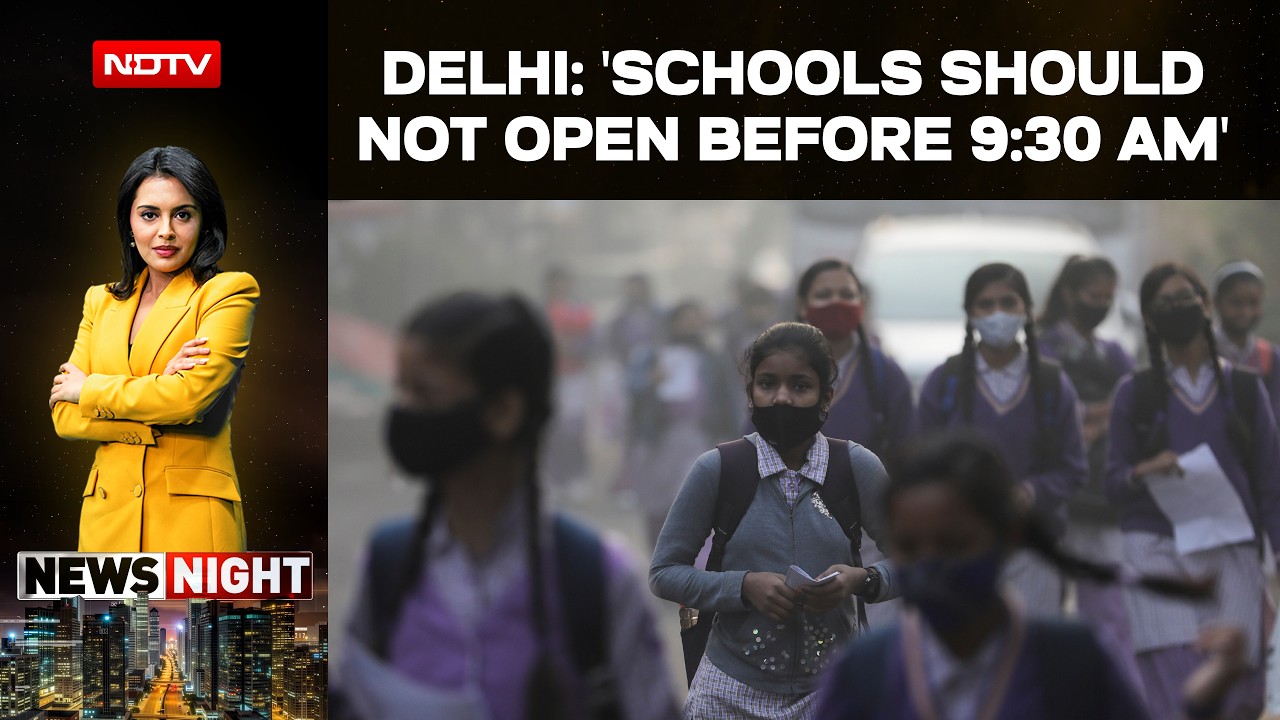
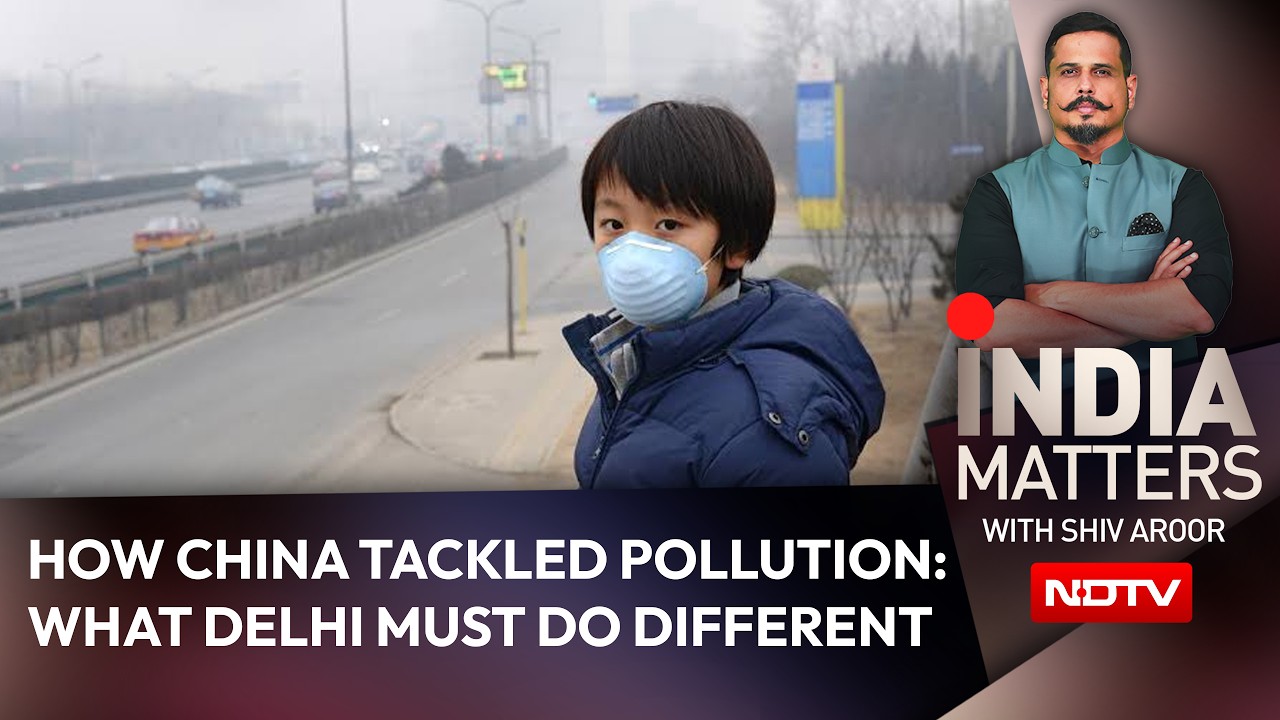
Monday November 09, 2026Every November, Delhi performs the same ritual. We check the AQI before stepping outdoors, children are kept indoors, masks reappear, schools consider shutting, construction is restricted, and emergency meetings are convened. Politicians blame the weather, neighbouring states, farmers, or firecrackers. And then, as the season changes, the urgency d...
दीवाली की चौखट पर दिल्ली में सांसों का संकट: 30 साल की स्टडी ने हरियाली को लेकर क्या बताया?
Thursday November 05, 2026अध्ययन में हरियाली की मात्रा के साथ उसके फैलाव और आपसी जुड़ाव को भी महत्वपूर्ण पाया गया. जिन इलाकों में हरियाली ज्यादा बिखरी हुई थी, वहां सतही तापमान अधिक रहा. इसके विपरीत, बड़े और आपस में जुड़े हरित क्षेत्रों में तापमान कम पाया गया.
Opinion: Why Delhi's Smog Can't Be Fixed From SpaceDavid Fickling, Bloomberg
Monday October 19, 2026The clearest sign that Delhi is on a path to cleaner air would be a decline in the amount of paddy grown nearby, and therefore the acreage liable to be burned each year.
Don't Normalise Air Purifiers As Delhi Chokes | The Reason Why
Thursday December 11, 2025More than 90 cities in the world's top 100 polluting list are in India. With every passing year, the AQI is rising, reaching 'hazardous' levels.
Blog | Well Done, Delhi. You've Turned Lung Sacrifice Into A Badge Of HonourSaikat Kumar Bose
Monday November 10, 2025Till some years back, Delhiites would ask angry questions to those in power about the capitals annual tryst with toxic air. This has changed. Those in the driving seat dont see the need to answer now.



