


- Home/
- Pollution And COPD: Why Winters Are A Nightmare For Lung Patients
Pollution And COPD: Why Winters Are A Nightmare For Lung Patients
Dr. Manish Garg | Updated: November 22, 2025 08:51 IST

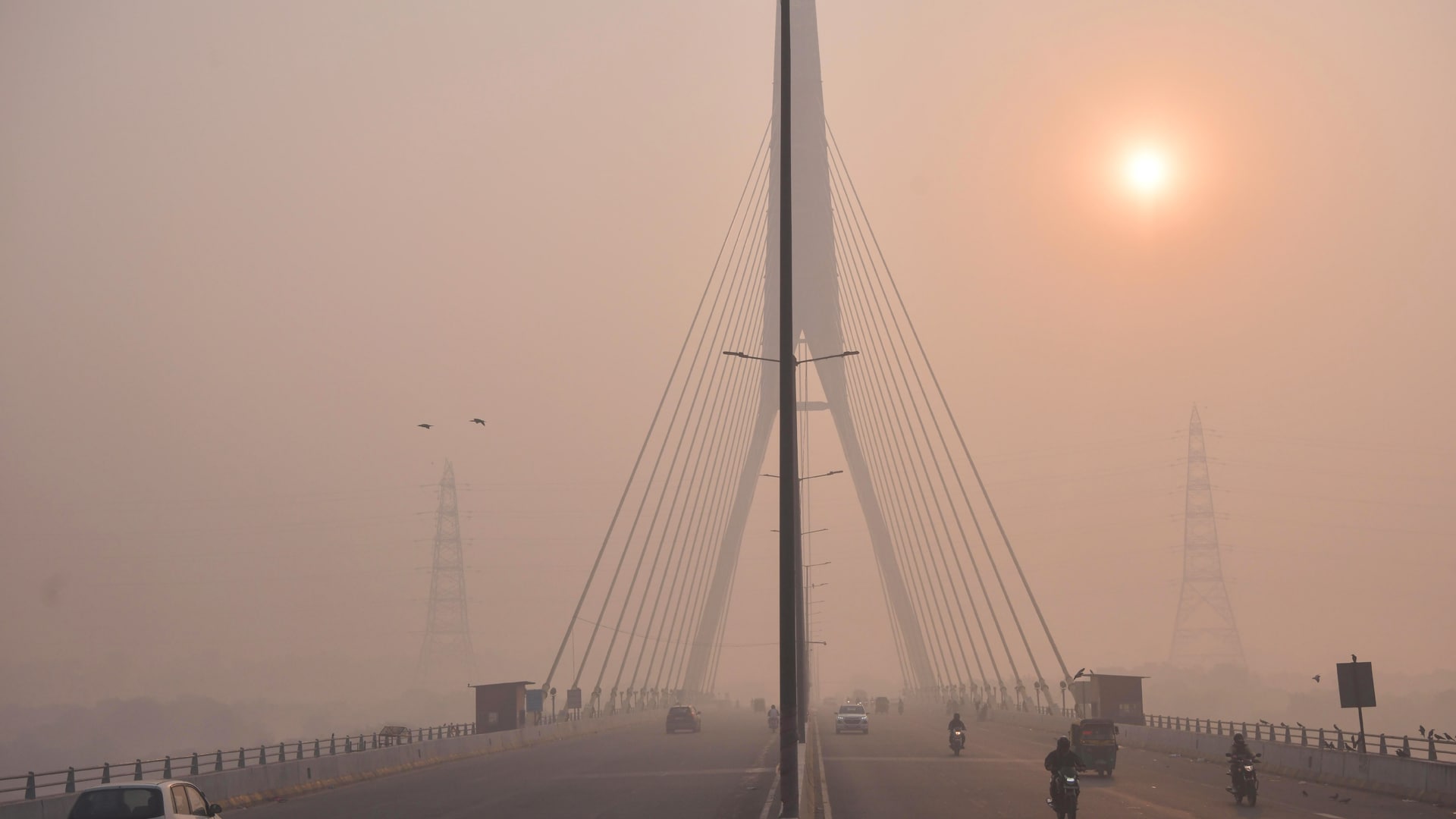
Fine pollution particles can penetrate deep into the lungs
Winters often bring a sense of relief from the heat, but for people living with Chronic Obstructive Pulmonary Disease (COPD), this season can be extremely challenging. A combination of cold air, rising pollution levels, and viral infections makes winter the most difficult time of the year for those with fragile lungs.
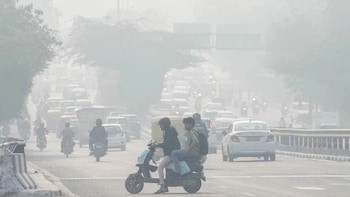
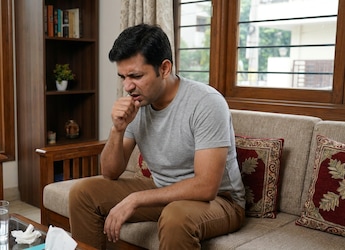
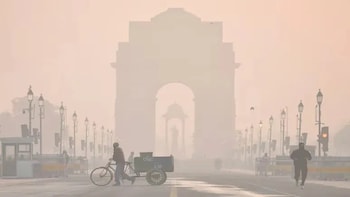
Cold air itself is a major trigger. When temperatures drop, the air becomes dry and constricts the airways, making it harder for COPD patients to breathe. This can lead to coughing, wheezing, and sudden breathlessness even with minimal physical activity. For many patients, stepping outdoors early in the morning or late in the evening can immediately provoke symptoms because the cold air irritates the already inflamed airways. However, the biggest winter culprit is pollution. During the winter months, the Air Quality Index (AQI) in many Indian cities often lounges in the hazardous zone. The rise in particulate matter (PM2.5 and PM10) is usually caused by a combination of vehicular emissions, industrial smoke, construction dust and seasonal climate factors such as stubble burning.
These fine particles penetrate deep into the lungs and worsen inflammation, leading to COPD flare-ups and, in many cases, hospital admissions. Pollutants also impair the natural defense mechanisms of the respiratory tract, making patients more prone to infections.
Winters also see a spike in viral respiratory illnesses. Flu, RSV, and other viruses circulate more widely during this season. For COPD patients, even a mild viral infection can quickly escalate into an exacerbation because their lungs are already compromised. The consequences become even more serious when pollution coincides with viral infections.
In winter months, COPD patients need to be careful, and heed some precautions. It is advisable to refrain from going outside in mornings and evenings when it is coldest and outdoor pollution is also highest. If you wear a properly fitted N95 mask, you can significantly cut down your exposure to harmful pollutants.
Consider using HEPA air cleaners inside your home to clean indoor air, wash your hands regularly especially after being out in public places, keep current with flu and pneumonia vaccinations, and take your inhalers that your doctor has prescribed regularly to manage your COPD and any other lung conditions; all of these will help you lower risk in the winter months.
With these advance preparations and timely medical interventions, COPD patients can be more secure in navigating the winter season. In the long run, achieving better air quality and a globally shared responsibility to care for the environment are key drivers of lower morbidity in vulnerable lungs.
(Dr. Manish Garg, Associate Director & Unit Head, Pulmonology, Critical Care & Sleep Medicine, Max Super Speciality Hospital, Dwarka)
Disclaimer: The opinions expressed within this article are the personal opinions of the author. NDTV is not responsible for the accuracy, completeness, suitability, or validity of any information on this article. All information is provided on an as-is basis. The information, facts or opinions appearing in the article do not reflect the views of NDTV and NDTV does not assume any responsibility or liability for the same.
Published: November 22, 2025 08:49 IST
also read
Delhi AQI: How 'Very Poor' Air Quality Impacts Even Those Without Asthma
Written by Debosmita GhoshDelhi Air Pollution: How Long Does It Actually Take Your Lungs To Recover?
Written by Debosmita GhoshLifeline Originals | Oxygen Cylinders, Cancer, Soot: Inside Loni's Year-Round Air Crisis
Written by Sneha Mordani
 Written by Debosmita Ghosh | Thursday November 12, 2026
Even people who do not have asthma can experience respiratory symptoms when pollution levels are high. In some cases, repeated or prolonged exposure may also affect lung function and increase the risk of respiratory and other health problems.
- Written by Vishesh Nagar | Thursday November 12, 2026
The ranking was led by Bulandshahr, followed by Aligarh and Faridkot, as AQI readings crossed 600 in all 10 cities.
- Written by Debosmita Ghosh | Thursday November 12, 2026
There is no single recovery time for everyone. It depends on how much pollution a person was exposed to and whether the exposure was brief or repeated.
- Written by Vishesh Nagar | Thursday November 12, 2026
The national capital's AQI was above 600, significantly higher than the readings recorded in Mumbai, Kolkata, Chennai, Hyderabad and Bengaluru.
- Written by Sneha Mordani | Thursday November 12, 2026
Worse than Delhi, Loni is the world's most polluted city. Beyond Diwali, illegal kilns, dust, and toxic waste make every breath a daily battle.


................................ Advertisement ................................
Opinion | Delhi Has Every Pollution Control Policy - Except One That Works
Monday November 09, 2026Every November, Delhi performs the same ritual. We check the AQI before stepping outdoors, children are kept indoors, masks reappear, schools consider shutting, construction is restricted, and emergency meetings are convened. Politicians blame the weather, neighbouring states, farmers, or firecrackers. And then, as the season changes, the urgency d...
दीवाली की चौखट पर दिल्ली में सांसों का संकट: 30 साल की स्टडी ने हरियाली को लेकर क्या बताया?
Thursday November 05, 2026अध्ययन में हरियाली की मात्रा के साथ उसके फैलाव और आपसी जुड़ाव को भी महत्वपूर्ण पाया गया. जिन इलाकों में हरियाली ज्यादा बिखरी हुई थी, वहां सतही तापमान अधिक रहा. इसके विपरीत, बड़े और आपस में जुड़े हरित क्षेत्रों में तापमान कम पाया गया.
Opinion: Why Delhi's Smog Can't Be Fixed From SpaceDavid Fickling, Bloomberg
Monday October 19, 2026The clearest sign that Delhi is on a path to cleaner air would be a decline in the amount of paddy grown nearby, and therefore the acreage liable to be burned each year.
Don't Normalise Air Purifiers As Delhi Chokes | The Reason Why
Thursday December 11, 2025More than 90 cities in the world's top 100 polluting list are in India. With every passing year, the AQI is rising, reaching 'hazardous' levels.
Blog | Well Done, Delhi. You've Turned Lung Sacrifice Into A Badge Of HonourSaikat Kumar Bose
Monday November 10, 2025Till some years back, Delhiites would ask angry questions to those in power about the capitals annual tryst with toxic air. This has changed. Those in the driving seat dont see the need to answer now.



