


- Home/
- Unhealthy AQI: Immediate Steps To Protect Your Family From Air Pollution
Unhealthy AQI: Immediate Steps To Protect Your Family From Air Pollution
Written by Rupashi Chhabra | Updated: October 21, 2025 12:43 IST

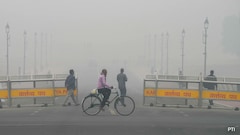
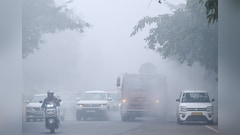
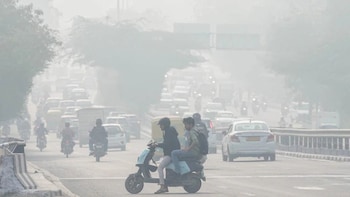
The air quality in major Indian cities has plummeted to “very poor” levels, with particulate matter being the dominant pollutant. As usual, after Diwali celebrations, Delhi-NCR is leading the way with the smog hitting early today morning. But it is crucial to understand what PM2.5 and PM10 (particulate matter) refer to and deal with the problem accordingly. Particulate matter, refers to coarse inhalable particles in the air, which cause dangerous health issues over prolonged exposure. The side effects of this pollutant's varieties affect the lungs and cause respiratory and cardiovascular issues like tightening of the chest, difficulty breathing, and sore throat coupled with watery eyes and dry skin.
According to the most recent air quality report, the current real-time PM2.5 level in India is 81 per cubic meter and PM10 level is 142 per cubic meter, which puts the air quality in the poor level or hazardous category. If you are experiencing severe side effects or specific health concerns, please contact a doctor for medical advice.
How To Control Indoor Pollution During High Pollution Levels?
- To seek immediate relief from the rising air pollution, seal your house. Namely, you can close all doors and windows, but after proper ventilation, as if the stale air is trapped inside, it will feel stuffy and uncomfortable.
- The number one priority should be a HEPA (high-efficiency particulate matter) air purifier, which removes 99.9% of particulate matter from the air. But ensure that the filter works according to the size of the room it runs in and will need to be continuously used to filter the air properly.
- Keep the air purifier running 24/7 on a moderate setting in the primary rooms, like bedrooms and living rooms, where the family members generally spend most of their time.
- As air purifiers can be expensive, for budget-conscious readers, a low-cost temporary filter can be made by attaching a high-grade furnace filter to a box fan.
- To avoid indoor air pollutants, strictly prohibit smoking, as the fumes will add to the concentration of the particulate matter.
- Avoid burning incense and candles, which can be a bit difficult given the festive season, but you can choose smokeless candles and high-quality incense, which can control the fume emissions.
- Avoid burning fireplaces/gas stoves excessively, and if necessary, be sure to use an exhaust to control emissions.
How To Control Exposure To Outdoor Pollution During High Pollution Levels?
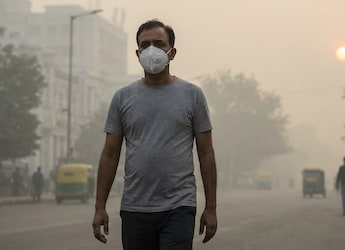
Wearing a mask outdoors is mandatory, namely an N95 or N99 (respirators are not resistant to oil-based particles, which means that the mask filters particulate matter effectively) mask while stepping outside.
Note: Surgical masks are ineffective against PM10 as well as PM2.5 levels. Please use replaceable filters in the masks, as after repeated usage, the mask filter needs to be changed, replaced, and washed in plain liquid soap and water to maintain proper mask hygiene to avoid mask acne and skin breakouts.
- When it comes to children, make sure that they are wearing properly secured masks and that they avoid strenuous outdoor activities during hazardous levels of particulate matter in the air. As their lungs are in the developmental stage, repeated exposure to hazardous levels of particulate matter can give rise to chronic and lifelong respiratory issues.
- If stepping outside is inevitable, as with dog caretakers and office-going people, they should adjust their timings.
- Avoid going outside during peak or rush hours, like late evenings or early mornings before sunrise. If you can't, wear a properly secured mask every time, while going outside to protect your airways.
How Essential Is It To Protect Vulnerable Groups During High Pollution?
The most vulnerable groups during high PM10 levels are children and the elderly, as they have undeveloped lungs and compromised immunity, respectively. People with special immunocompromised conditions like asthma or cardiovascular issues should keep their medication handy. The most important aspect is to have an emergency action plan and take all necessary precautions.
What Are The Dietary Defense Measures During High Pollution Levels?
There are a myriad of pollution-fighting foods that can mitigate the effects of air pollution. In the food system, there are various fruits and seeds that can mitigate the risk of developing the side effects of prolonged exposure to air pollution.
They are as follows:
- Vitamin C-rich fruits like amla, or Indian gooseberry, and seasonal guava;
- Vitamin E sources like nuts/seeds and omega-3, -6, and -9, which are commonly found in walnuts/flaxseeds (this trio is responsible for overall enhanced immunity to fight the side effects of air pollution).
- Consuming these foods on a daily basis enhances overall immunity to fight the spike in air pollution levels.
- The most important aspect is to stay hydrated, as increased levels of PM10 cause the airways to be blocked, which gives rise to respiratory issues, so drinking water is key.
- Keeping your airways clear and healthy is of utmost importance.
The challenge of unhealthy air quality index (AQI) demands immediate and decisive action to protect your family. While systemic changes are crucial, the most effective first line of defense lies in the steps you take today.
Don't wait for the skies to clear naturally; empower yourself with these protective measures. And diligently implement them to safeguard your long-term health and well-being and those of your loved ones from the invisible threat of air pollution by creating a safe and breathable environment for your family.
Disclaimer: This content, including advice, provides generic information only. It is in no way a substitute for a qualified medical opinion. Always consult a specialist or your own doctor for more information. NDTV does not claim responsibility for this information.
Published: October 21, 2025 11:18 IST
also read
Delhi Air Pollution: Is There A 'Safer' Time To Step Outdoors? Here's What You Should Know
Written by Debosmita GhoshPost-Diwali Smog Got Your Throat Irritated? Nutritionist Shares 4 Soothing Drinks To Try
Written by NDTV Health DeskFrom Black To Pink: Can Your Lungs Recover From The Damage Caused By Air Pollution?
Written by Sambhav Kumar
 Reported by Ankita Tiwari | Wednesday November 11, 2026 , New Delhi
According to a Centre for Science and Environment (CSE) report, the average PM2.5 concentration during the week before Diwali stood at 236 micrograms per cubic metre, almost double the 120 ug/m3 recorded in 2025. It was also the highest pre-Diwali average in three years.
- Wednesday November 11, 2026 , New Delhi
The transport sector is expected to be the largest contributor to pollution on Wednesday, while the impact of stubble burning is anticipated to increase on Thursday, potentially worsening air quality further over the next few days, according to Indian Institute of Tropical Meteorology models.
- Reported by Himanshu Shekhar Mishra, Edited by Anindita Sanyal | Wednesday November 11, 2026 , New Delhi
Air pollution in Delhi-NCR has worsened during the onset of winter (from October to mid-November) this year. This has been revealed in a new analysis by the Centre for Science and Environment or CSE, an organisation that monitors environmental issues.
- Written by Vishesh Nagar | Wednesday November 11, 2026
All 10 cities in the ranking fall under the 'Hazardous' category, with Bathinda recording the highest AQI, followed by Rewari and Faridkot.
- Written by Debosmita Ghosh | Wednesday November 11, 2026
Recent AQI data has also shown how pollution can change between night, early morning and daytime hours. In Delhi, pollution increased after sunset and in the early hours following Diwali, while levels fell later in the morning.

................................ Advertisement ................................


Opinion | Delhi Has Every Pollution Control Policy - Except One That Works
Monday November 09, 2026Every November, Delhi performs the same ritual. We check the AQI before stepping outdoors, children are kept indoors, masks reappear, schools consider shutting, construction is restricted, and emergency meetings are convened. Politicians blame the weather, neighbouring states, farmers, or firecrackers. And then, as the season changes, the urgency d...
दीवाली की चौखट पर दिल्ली में सांसों का संकट: 30 साल की स्टडी ने हरियाली को लेकर क्या बताया?
Thursday November 05, 2026अध्ययन में हरियाली की मात्रा के साथ उसके फैलाव और आपसी जुड़ाव को भी महत्वपूर्ण पाया गया. जिन इलाकों में हरियाली ज्यादा बिखरी हुई थी, वहां सतही तापमान अधिक रहा. इसके विपरीत, बड़े और आपस में जुड़े हरित क्षेत्रों में तापमान कम पाया गया.
Opinion: Why Delhi's Smog Can't Be Fixed From SpaceDavid Fickling, Bloomberg
Monday October 19, 2026The clearest sign that Delhi is on a path to cleaner air would be a decline in the amount of paddy grown nearby, and therefore the acreage liable to be burned each year.
Don't Normalise Air Purifiers As Delhi Chokes | The Reason Why
Thursday December 11, 2025More than 90 cities in the world's top 100 polluting list are in India. With every passing year, the AQI is rising, reaching 'hazardous' levels.
Blog | Well Done, Delhi. You've Turned Lung Sacrifice Into A Badge Of HonourSaikat Kumar Bose
Monday November 10, 2025Till some years back, Delhiites would ask angry questions to those in power about the capitals annual tryst with toxic air. This has changed. Those in the driving seat dont see the need to answer now.



