


- Home/
- Using Air Purifiers During Sleep May Improve Blood Sugar Control In Prediabetics, Study Suggests
Using Air Purifiers During Sleep May Improve Blood Sugar Control In Prediabetics, Study Suggests
| Updated: November 10, 2026 12:51 IST
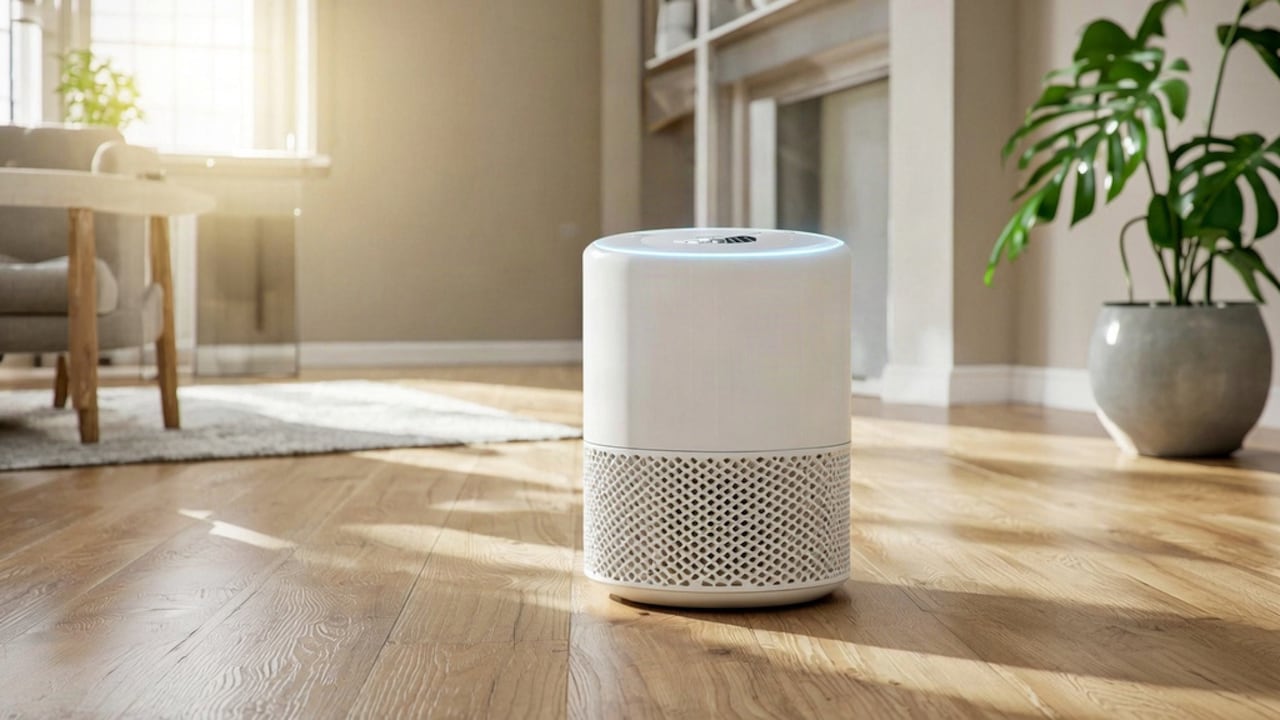
A cleaner air was linked to a drop in daily blood sugar swings and smaller morning sugar surges
Highlights
- Using portable air filters during sleep may improve blood sugar control in prediabetics
- Study involved over 150 prediabetic adults without arterial cholesterol buildup
- HEPA filters reduced harmful air particles by 36 percent in participants' bedrooms
Using portable filters which clean particulate matter from air, or air purifiers, during sleep may help improve blood sugar control among prediabetics, a new study suggests.
The study, published in the American Heart Journal, found that using portable filters to reduce exposure to air pollution during sleep stabilised large spikes in blood sugar experienced by people with prediabetes, a condition in which sugar or glucose levels are higher than normal.
Researchers led by those at New York University, US, assessed more than 150 men and women with prediabetes who did not have any known buildup of cholesterol in their arteries, a condition called atherosclerosis.
Prediabetes raises the risk of heart disease and diabetes, and large swings in blood sugar during the day are tied to worsening disease.
Air pollution has been linked to both prediabetes and cardiovascular disease. However, it is unclear whether using high efficiency particulate air (HEPA) filters at home could improve blood sugar control, the researchers said.
HEPA filtration systems can remove more than 99 per cent of airborne particles sized 0.3 microns in diameter.
"Our findings suggest that (a) cleaner air at home, especially in the bedroom, may help people with prediabetes keep their blood sugar steady and blunt morning spikes," lead author and cardiologist Sharine L. Wittkopp, a clinical instructor in New York University's school of medicine's department of medicine and its division of cardiology, said.
"Installing HEPA filters offers an easy, low cost tool to help protect heart and metabolic health along with healthy eating, regular exercise, and prescribed medications," Wittkopp said.
Half the study participants slept with real bedroom air filters for about a month, while the other half used sham filters that did not clean air. The real filters cut levels of tiny, harmful air particles by 36 per cent, the researchers said.
The participants wore continuous glucose monitors, small sensors that track blood sugar every few minutes, for one week before and again after four weeks of filtration so the researchers could see how daily blood sugar changed over time.
A cleaner air was linked to a drop in daily blood sugar swings and smaller morning sugar surges after breakfast. The total extra glucose in the blood after eating breakfast was found to fall on average, while peak levels following breakfast decreased.
"... demonstrating clinically meaningful reductions in cardiometabolic risk through personal air pollution reduction may have important implications for health policy and air quality regulation, particularly as millions of individuals remain exposed to unsafe levels of particulate matter," the authors wrote.
"Our results add to a growing body of evidence that poor air quality is a threat not only to lung health but to heart and metabolic health as well," senior author Jonathan Newman, an associate professor in New York University's school of medicine's department of medicine and its division of cardiology, said.
"These findings support broader efforts to reduce air pollution and suggest that healthcare providers should consider indoor air quality when helping patients manage their cardiometabolic risk," Newman said.
(Except for the headline, this story has not been edited by NDTV staff and is published from a syndicated feed.)
Published: November 10, 2026 12:49 IST
also read
It's Not Just AQI: Why Tiny Particulate Matter Poses A Bigger Health Risk
Written by Sneha Mordani, Edited by Sambhav KumarMeeting WHO Air Quality Guidelines Could Save Over 9 Million Lives Annually, Finds Cambridge Study
Written by Debosmita GhoshDoctor-Approved Daily Routine To Strengthen Your Lungs Amid Rising Pollution Levels
Written by Shreya Goswami
 Edited by Sanstuti Nath | Wednesday November 11, 2026 , Islamabad
The Pakistan report said the available evidence did not support attributing Lahore's poor air quality after Diwali to fireworks across the border.
- Written by Sneha Mordani , Edited by Sambhav Kumar | Wednesday November 11, 2026
India should retain the AQI for public advisories but must publish uncapped PM2.5 and PM10 concentrations alongside it. An index may have a ceiling. Pollution does not.
- Reported by Vedika Sud Sachdeva, Edited by Aastha Ahuja | Wednesday November 11, 2026 , New Delhi
In an exclusive interview with NDTV, former WHO Chief Dr Soumya Swaminathan detailed how we are sacrificing the health of an entire generation by simply ignoring the irreversible damage caused by pollution.
- Written by Debosmita Ghosh | Wednesday November 11, 2026
The WHO recommends an annual average concentration of no more than 5 micrograms per cubic metre for PM2.5 and 10 micrograms per cubic metre for nitrogen dioxide.
- Edited by Debanish Achom | Wednesday November 11, 2026 , New Delhi
UP Chief Minister Yogi Adityanath said his government had imposed no restrictions on Diwali celebrations and had instead encouraged people to observe the festival "wholeheartedly"



................................ Advertisement ................................




Opinion | Delhi Has Every Pollution Control Policy - Except One That Works
Monday November 09, 2026Every November, Delhi performs the same ritual. We check the AQI before stepping outdoors, children are kept indoors, masks reappear, schools consider shutting, construction is restricted, and emergency meetings are convened. Politicians blame the weather, neighbouring states, farmers, or firecrackers. And then, as the season changes, the urgency d...
दीवाली की चौखट पर दिल्ली में सांसों का संकट: 30 साल की स्टडी ने हरियाली को लेकर क्या बताया?
Thursday November 05, 2026अध्ययन में हरियाली की मात्रा के साथ उसके फैलाव और आपसी जुड़ाव को भी महत्वपूर्ण पाया गया. जिन इलाकों में हरियाली ज्यादा बिखरी हुई थी, वहां सतही तापमान अधिक रहा. इसके विपरीत, बड़े और आपस में जुड़े हरित क्षेत्रों में तापमान कम पाया गया.
Opinion: Why Delhi's Smog Can't Be Fixed From SpaceDavid Fickling, Bloomberg
Monday October 19, 2026The clearest sign that Delhi is on a path to cleaner air would be a decline in the amount of paddy grown nearby, and therefore the acreage liable to be burned each year.
Don't Normalise Air Purifiers As Delhi Chokes | The Reason Why
Thursday December 11, 2025More than 90 cities in the world's top 100 polluting list are in India. With every passing year, the AQI is rising, reaching 'hazardous' levels.
Blog | Well Done, Delhi. You've Turned Lung Sacrifice Into A Badge Of HonourSaikat Kumar Bose
Monday November 10, 2025Till some years back, Delhiites would ask angry questions to those in power about the capitals annual tryst with toxic air. This has changed. Those in the driving seat dont see the need to answer now.



