


- Home/
- Where To Travel In India For Clean Air In January
Where To Travel In India For Clean Air In January
Written by Payal, Edited by Shubham Bhatnagar | Updated: December 23, 2025 17:05 IST
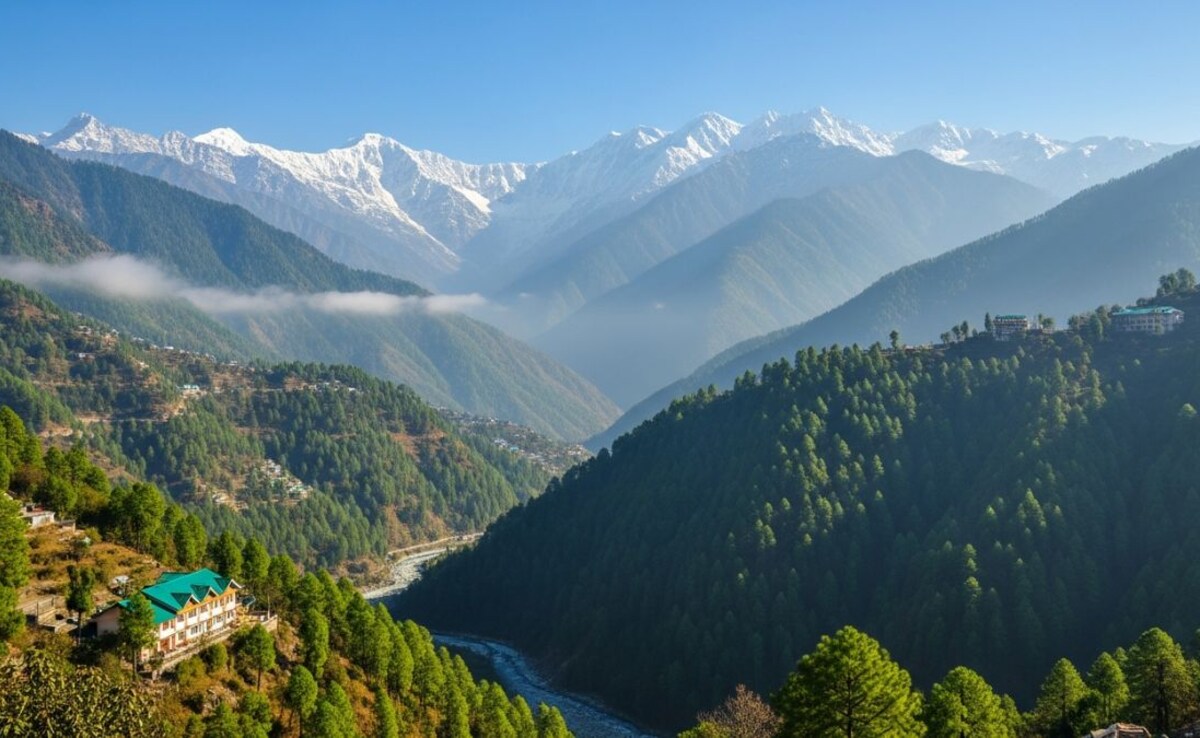
January paints most Indian cities in shades of grey.
January paints most Indian cities in shades of grey. The cold settles in, traffic crawls, and pollution levels rise across major metros. It becomes the kind of month where even a short walk can feel heavy. That is exactly why clean-air destinations feel more meaningful this time of year. A place where you can feel the breeze, see the horizon clearly, and breathe without checking an AQI app can change the whole pace of a winter break.
Many regions across India still enjoy fresh, low-pollution air during January. The difference is immediate the moment you arrive: quieter roads, denser green cover, clearer skies, and landscapes that feel far removed from city life. This guide brings together six destinations that consistently offer better air quality in January, along with a quick snapshot table to help you compare them. From high-altitude towns to islands carried by sea breeze, these locations show that winter travel can be both beautiful and healthy.
Also Read: Where To Go This New Year If You Want Relaxed Travel And No Rush
Clean Air Destinations In India: Quick Overview
| Destination | State | Air Quality Advantage | January Experience |
|---|---|---|---|
| Munnar | Kerala | Green cover, low traffic | Cool mornings, misty valleys |
| Tawang | Arunachal Pradesh | Minimal industries | Snowy views, quiet settings |
| Coorg | Karnataka | Forest cover, plantations | Fresh mornings, relaxed pace |
| Andaman and Nicobar Islands | A and N | Sea breeze | Dry weather, clean coastal air |
| Spiti Valley | Himachal Pradesh | Sparse population |
This table is your snapshot. The list below gives you the full picture. You can move through the hills, forests, coasts, and valleys in a way that feels natural, with each destination building on the last.
6 Best Places In India For Clean Air Travel In January
1. Munnar, Kerala
The journey begins in the Western Ghats, where Munnar continues to stand out as a dependable clean-air retreat. Surrounded by tea gardens, rolling hills, and thick forest cover, the region benefits from low traffic and steady mist through January. The mornings feel cold and refreshing, and that freshness stays with you throughout the day. The air quality is consistently strong, which makes Munnar ideal for long walks, scenic drives, and slow mornings in nature. If you want a clean, calm, and visually rich winter break, Munnar sets the tone well.

Photo Credit: Pexels
2. Tawang, Arunachal Pradesh
From the Western Ghats, the route shifts naturally to the eastern Himalayas. Tawang offers a completely different winter setting but the same promise of clean air. Minimal industrial activity and an uncluttered lifestyle help keep pollution levels low. January often brings snowfall, which adds a sense of stillness to the landscape. The town feels peaceful, the air feels sharp, and the surroundings create a sense of quiet that many travellers look for in winter. The clean environment enhances visits to monasteries, lakes, and local settlements.

3. Coorg, Karnataka
Moving from the mountains back to the Western Ghats, Coorg maintains the clean-air thread through a softer, greener landscape. Coffee plantations, forested hills, and cool January temperatures keep the air fresh and light. The region is far from major metros, which helps reduce pollution significantly. Days feel relaxed, mornings feel crisp, and the natural setting makes it an excellent break for those who want a quieter holiday. Coorg offers the comfort of greenery without the crowds, and the air quality lifts the entire experience.
4. Andaman and Nicobar Islands
From forests and hills, the narrative shifts smoothly to the coast. The Andaman and Nicobar Islands sit far from mainland pollution, and the constant sea breeze keeps the air consistently clean. January is dry, bright, and comfortable, which makes it one of the best months to visit. The air feels lighter than anything you experience in cities, and that clarity enhances every coastal moment. Walks on the beach, boat rides, or time spent near untouched forests feel noticeably cleaner and calmer.
5. Spiti Valley, Himachal Pradesh
Back to the mountains, but this time to an entirely different terrain. Spiti Valley is a cold desert with wide open landscapes, low population density, and almost no industrial activity. These conditions create some of the cleanest air in the country. January brings freezing temperatures, but it also brings skies so clear that the mountains look etched against the horizon. The absence of traffic and noise adds to the purity of the environment. For travellers who value clarity, silence, and long views, Spiti feels exceptional in winter.

Photo Credit: unsplash
6. Ziro Valley, Arunachal Pradesh
The transition from Spiti's stark landscape to Ziro's green valley is gentle and natural. Surrounded by pine forests and rice fields, Ziro maintains excellent air quality because of its eco-friendly local lifestyle. January days are cold but manageable, and the valley feels calm in a way that encourages slow travel. The clean air enhances the experience of moving through villages, fields, and wooded stretches. Ziro is ideal for visitors who want a mix of culture, nature, and a peaceful pace.
Also Read: 8 Offbeat Indian Destinations For A Quiet January Getaway
What Helps These Places Maintain Clean Air
Low population density
- Fewer vehicles and lower traffic flow
- Higher elevation in hill regions
- Dense forest cover in Western Ghats and North-East India
- Constant sea breeze in coastal and island regions
- Minimal or no industrial activity
- Community-led eco-friendly practices
These factors work together to keep pollution levels significantly lower than in most urban areas.
What People Search Before Planning A Clean Air Holiday
1. Which Indian places have the cleanest air in January?
Popular choices for clean air in January include hill stations and remote areas with high greenery or sea breeze. Places with consistently good air quality often include regions in the Himalayas, the Western Ghats, the northeast and coastal locations. These areas typically record lower pollution than major cities during winter months.
2. Does coastal air stay clean in January?
Yes. Coastal regions often benefit from sea breeze that disperses pollutants and keeps the air lighter compared with inland metros struggling with winter pollution spikes.
3. Can air quality improve naturally during winter in some tourist destinations?
Yes. Wind patterns, elevation, tree cover and distance from industrial areas contribute to better air quality in certain destinations during winter. These natural factors can make a region consistently cleaner than busy urban centres.
4. Are hill stations always cleaner than cities in winter?
Not always. While altitude and vegetation help reduce pollution in many hill stations, valleys with heavy traffic or poor wind flow can trap smog. Ridge-top or well-forested locations typically perform better than congested valley towns.
Published: December 23, 2025 17:00 IST
also read
Delhi AQI: Is Toxic Air Making You Tired? Impact Of Air Pollution On Energy, Sleep And Concentration
Written by Debosmita GhoshPakistan's Diwali Pollution Claim Backfires As Its Own Agency Points To 16,714 Farm Fires
Author: Niharika RajHeavy Chest In The Morning Amid High AQI: Why It Happens And How To Get Relief
Written by Sambhav Kumar
clean air destinations Indiabest places in India for fresh airpollution-free travel India
 Delhi AQI: Is Toxic Air Making You Tired? Impact Of Air Pollution On Energy, Sleep And ConcentrationWritten by Debosmita Ghosh | Wednesday November 11, 2026
Fine particles such as PM2.5 can enter deep into the lungs and lead to inflammation and oxidative stress in the body. Prolonged exposure may also affect the cardiovascular system and overall physical health.
- Written by Niharika Raj | Wednesday November 11, 2026
A Pakistani air quality body has found no evidence linking Lahore's post-Diwali smog to fireworks in India, pointing instead to thousands of crop-residue fires in Pakistan's own Punjab.
- Written by Sambhav Kumar | Wednesday November 11, 2026
Morning chest heaviness should not automatically be attributed to air pollution. Persistent or worsening symptoms warrant medical evaluation, particularly if accompanied by coughing, wheezing or breathlessness.
- Edited by Sanstuti Nath | Wednesday November 11, 2026 , Islamabad
The Pakistan report said the available evidence did not support attributing Lahore's poor air quality after Diwali to fireworks across the border.
- Written by Sneha Mordani , Edited by Sambhav Kumar | Wednesday November 11, 2026
India should retain the AQI for public advisories but must publish uncapped PM2.5 and PM10 concentrations alongside it. An index may have a ceiling. Pollution does not.


................................ Advertisement ................................



Opinion | Delhi Has Every Pollution Control Policy - Except One That Works
Monday November 09, 2026Every November, Delhi performs the same ritual. We check the AQI before stepping outdoors, children are kept indoors, masks reappear, schools consider shutting, construction is restricted, and emergency meetings are convened. Politicians blame the weather, neighbouring states, farmers, or firecrackers. And then, as the season changes, the urgency d...
दीवाली की चौखट पर दिल्ली में सांसों का संकट: 30 साल की स्टडी ने हरियाली को लेकर क्या बताया?
Thursday November 05, 2026अध्ययन में हरियाली की मात्रा के साथ उसके फैलाव और आपसी जुड़ाव को भी महत्वपूर्ण पाया गया. जिन इलाकों में हरियाली ज्यादा बिखरी हुई थी, वहां सतही तापमान अधिक रहा. इसके विपरीत, बड़े और आपस में जुड़े हरित क्षेत्रों में तापमान कम पाया गया.
Opinion: Why Delhi's Smog Can't Be Fixed From SpaceDavid Fickling, Bloomberg
Monday October 19, 2026The clearest sign that Delhi is on a path to cleaner air would be a decline in the amount of paddy grown nearby, and therefore the acreage liable to be burned each year.
Don't Normalise Air Purifiers As Delhi Chokes | The Reason Why
Thursday December 11, 2025More than 90 cities in the world's top 100 polluting list are in India. With every passing year, the AQI is rising, reaching 'hazardous' levels.
Blog | Well Done, Delhi. You've Turned Lung Sacrifice Into A Badge Of HonourSaikat Kumar Bose
Monday November 10, 2025Till some years back, Delhiites would ask angry questions to those in power about the capitals annual tryst with toxic air. This has changed. Those in the driving seat dont see the need to answer now.



