


- Home/
- From Training To Success: The Story Of Miktoksi And USHA Silai School
From Training To Success: The Story Of Miktoksi And USHA Silai School
Team NDTV | Updated: January 29, 2025 13:02 IST
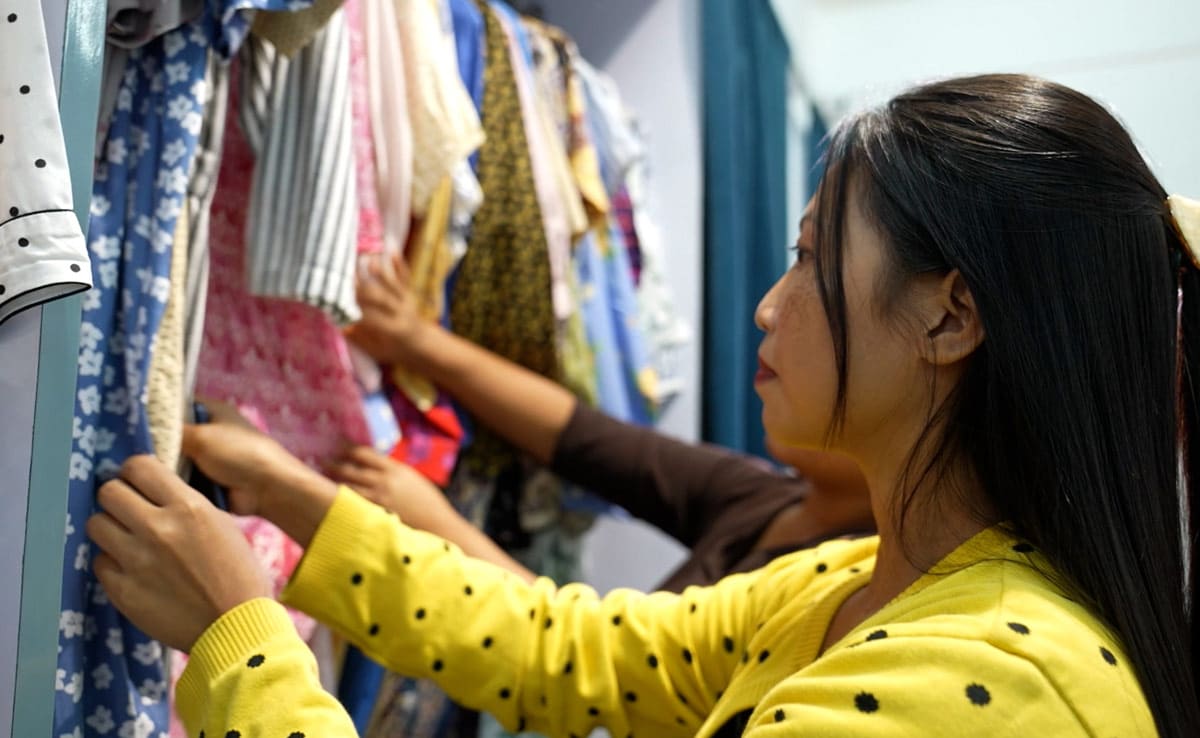
Nestled in the serene Garo hills of Meghalaya, the town of Tura is a beacon of hope for marginalized communities. More than 2,000 kilometers from Kashmir, this region has witnessed a transformative tale of women empowerment. Central to this success story is the partnership between USHA and Galaxy Enterprise, which has been crafting a path for rural women to achieve financial independence and personal growth.
Balsitha G. Sangma, a 32-year-old woman from Tura's Burny hills, begins her day with household chores but soon becomes part of a community of women transforming female entrepreneurship in this matrilineal society. In 2021, Galaxy Enterprise, in partnership with USHA Silai School, launched a Training cum Production Centre (TCPC) in Tura to support rural, marginalized women, many of whom were previously daily wage laborers. The initiative aimed to help them acquire skills and resources for more stable and rewarding livelihoods.
The centre has become a launchpad for women-led enterprises. Today, these women have not only gained the ability to stitch garments but have also developed their own brand, Miktoksi, named after a flower indigenous to the Garo hills, symbolizing grace, modesty, and simplicity. They now sell their creations in a dedicated store, showcasing their work and the impact of their newfound skills.
The story of Miktoksi began with a rigorous training program conducted by USHA Silai School, where 30 women were trained in the art of garment-making. The comprehensive curriculum covered various techniques, including sewing, pattern making, cutting, stitching, and finishing. This training enabled the women to produce high-quality, marketable products, giving them the tools to thrive in a competitive marketplace.
Empowering Women Through Skill and Opportunity: The Inspiring Journey of Kaneez Fatima
Balsitha G. Sangma, a graduate of the program, shared her experience,
“We used to do a little bit of sewing at home. But now that we've been called here, it's been very beneficial for us. Earlier, we didn't earn much, but now we're working because we're earning more.”
With the skills they acquired, these women transitioned from daily wage laborers to skilled artisans, receiving job orders for their sewn products, which were then sold in the local market. This consistent work not only improved their financial stability but also brought dignity to their work, empowering them to dream bigger.
In 2023, Galaxy Enterprise and USHA Silai School decided to expand their efforts, envisioning a broader scope for their operations. Beyond fulfilling job orders, the aim was to establish a dedicated retail space to showcase and sell the women's creations. This vision materialized in 2024, with the opening of Miktoksi, a store that now proudly displays the products made by the women of Tura.
As the project grew, more rural women began seeking training at the TCPC, hoping to follow in the footsteps of those who had already tasted success.
Noschilla R. Marak, a trainee at the USHA Silai School, expressed her future aspirations,
“My goal in life is to get a machine and start a small shop at home. This is where I will start, and this is where I will end.”
The impact of this initiative on the women of Tura has been transformative. Today, these women earn approximately Rs.10,000 each per month, a significant improvement over their previous incomes. This economic empowerment has instilled a sense of pride and accomplishment in their work, turning them into role models for others in their community.
Amrita Meheruna Ch. Marak, another trainee shared,
“It felt very good to complete the training because now I can open my own shop. I will also have to teach other girls. That's why I took this training.”
Bhojpur Mahila Kala Kendra's Transformative Journey
With a growing customer base and expanding production capacity, Miktoksi has not only uplifted these women's lives but has also become a beacon of hope for others in the region. The store stands as a testament to the power of skill development and entrepreneurial support in transforming the lives of marginalized women.
The success of Miktoksi has ignited a new wave of ambition among the women involved in the project. A new batch of trainees is currently undergoing training, and soon they will be part of the design, production, and management teams at the store. This will help cement Miktoksi as a truly ‘Made in Meghalaya' brand, proudly showcasing the region's rich cultural heritage and craftsmanship.
The collaboration between USHA and Galaxy Enterprise has not only empowered these women but has also created a road map for sustainable growth.
Together, USHA and Galaxy Enterprise have crafted a powerful and inspiring story of success in Meghalaya, one that serves as a shining example of how skill development and entrepreneurial support can unlock the potential of marginalized communities.
Published: January 27, 2025 11:51 IST
also read
Despite Nationwide Lockdown, People Employed In Health And Financial Sector Continue To Provide Services
Written by Ambika Singh KahmaHow Police Officers Are Battling The Crisis Of Coronavirus And Going Beyond The Call Of Duty
Written by Ambika Singh Kahma28-Year-Old From UP Donates Disability Pension Money To COVID-19 Fund, Urges Others To Help The Cause
PTI
 NDTV News Desk | Thursday April 02, 2020
Prime Minister Narendra Modi today announced a total lockdown in India from midnight for 21 days to fight the spread of coronavirus.
- NDTV News Desk | Friday April 03, 2020
India must also straight away allow internationally-recognized testing kits to be used here - these are already in use in the USA and Europe (do not delay by waiting for Indian clearance).
- Written by Garima Arora | Sunday April 12, 2020
Coronavirus outbreak: Take necessary precautions. Practise personal hygiene and social isolation. Utilise this time to do all the things you never found the time to do earlier. Here are some more tips to maintain your mental health by Psychiatrist Dr Sanjay Chugh
- NDTV News Desk | Thursday April 02, 2020
Hopefully, you are following social distancing and not mingling, especially with large groups or in crowded places. Can wearing a mask help? Here's what doctors say:
- NDTV News Desk | Thursday April 02, 2020
People across the world are worried about the rising cases of COVID-19, a highly contagious disease caused by the Novel Coronavirus that was first detected in China's Wuhan in December last year. What should you do if you're feeling any little ill, flu-ish and you are worried that you have symptoms of coronavirus?
- Edited by Deepshikha Ghosh | Thursday April 02, 2020
Coronavirus India: Airlines have been asked to ensure distance at check-in counters and enough space as passengers wait for their flights


