


- Home/
- Caring For Your Throat: October Health Tips People In Delhi-NCR Need
Caring For Your Throat: October Health Tips People In Delhi-NCR Need
Written by Shreya Goswami | Updated: October 01, 2026 17:05 IST

Sore throat remedies: Gargling with lukewarm water helps
Highlights
- October in Delhi-NCR brings cooler air, dust, and rising pollution causing throat irritation
- Particulate pollution, especially PM2.5 and PM10, worsens respiratory symptoms and hospital visits
- Hydration, checking AQI, and wearing fitted N95 masks help protect the throat and lungs
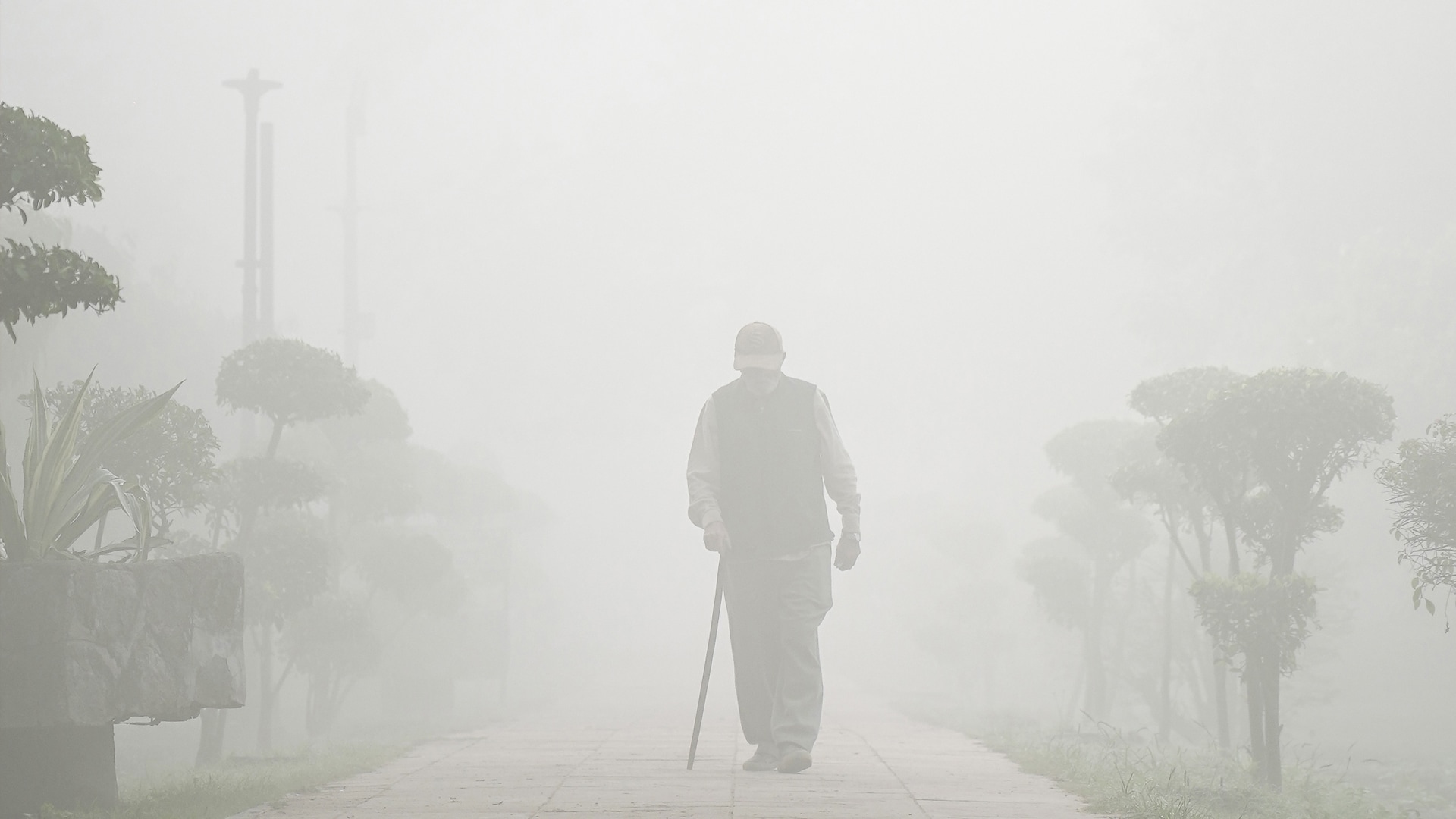
For many people in Delhi-NCR, October marks the beginning of a familiar shift in the air. Mornings and evenings can turn cooler while afternoons remain warm, humidity changes and dust and air pollution increasingly become part of the daily environment. For the throat and upper airways, this combination can be uncomfortable.
A dry or scratchy throat, frequent throat clearing, mild cough, a sensation of irritation or even temporary hoarseness may appear. People with allergies, asthma or recurrent respiratory problems can be particularly sensitive to changes in air quality.
The problem is not simply the weather. Particulate matter and other air pollutants can irritate the respiratory tract, while prolonged exposure to poor air quality can aggravate existing respiratory conditions. Research from Delhi has found that poor air quality, particularly during the October-to-December period, is associated with increased acute respiratory symptoms and hospital visits.
"October can bring noticeable changes in Delhi-NCR, with fluctuating temperatures, dry air, dust and gradually worsening air pollution, all of which can irritate the throat," says Dr Ravi Bhatia, Director - ENT & Cochlear Implant, Sarvodaya Hospital, Faridabad.
So, what can Delhi-NCR residents do to protect their throat as October progresses?
Why October Can Trigger Throat Irritation
The transition between seasons can expose the upper respiratory tract to several potential irritants at the same time. Cooler mornings and evenings, relatively dry air, dust and increasing particulate pollution can leave the throat feeling dry and uncomfortable.
Air pollution is particularly relevant. The World Health Organization (WHO) says particulate matter can penetrate the respiratory system, with PM2.5 capable of reaching deep into the lungs. Delhi-specific research has also found a seasonal relationship between air pollution and respiratory symptoms. One study examining emergency-room data in Delhi found that poor air quality was observed particularly from October to December, with acute respiratory emergency visits increasing with higher PM10 exposure. Another study involving adults in Delhi found that short-term increases in PM2.5 and nitrogen dioxide were associated with increased emergency-room visits for acute respiratory symptoms.
This does not mean every sore throat in October is caused by pollution. Viral infections, allergies and other respiratory conditions remain common causes of throat symptoms.
1. Keep Your Throat Hydrated
One of the simplest measures is also one of the easiest to overlook: drink enough fluids throughout the day. "Keep sipping water through the day instead of waiting until you feel thirsty. Warm fluids can also help soothe a dry or irritated throat," says Dr Om Prakash, Consultant, ENT, Kailash Hospital & Neuro Institute.
Water helps maintain normal hydration, while warm fluids may provide temporary symptomatic relief. A warm-water gargle may also provide temporary comfort when the throat feels irritated. At the same time, avoid extremely hot beverages. Repeated exposure to very hot liquids can irritate the lining of the mouth and throat.
2. Check The AQI Before Heading Outdoors
If you live in Delhi-NCR, checking the Air Quality Index (AQI) should become part of your daily routine during periods of worsening pollution.
Dr Prakash recommends checking AQI particularly before exercising outdoors. On days when pollution is high, consider postponing strenuous outdoor exercise or moving it indoors. Avoid exercising close to heavy traffic, where exposure to vehicle-related pollutants can be higher.
The Central Pollution Control Board (CPCB) monitors air quality through its network and publishes AQI information and forecasts for Delhi-NCR. This is especially important for children, older adults and people with asthma or other chronic respiratory conditions, who may be more vulnerable to poor air quality.
3. Use A Well-Fitting N95 When Pollution Is High
If you need to be outdoors when particulate pollution is elevated, a properly fitted particulate respirator can reduce exposure. "Make sure you wear a properly fitting N95 mask to limit the exposure to fine particles," Dr Prakash advises.
The CDC's National Institute for Occupational Safety and Health (NIOSH) explains that N95 respirators are designed to filter at least 95% of airborne particles, provided they are properly fitted and used. Fit matters because gaps around the nose and cheeks can allow polluted air to bypass the filter. A respirator also does not remove every type of pollutant: particulate respirators filter particles but do not protect against gases or vapours.
4. Do Not Ignore Indoor Air Pollution
Staying indoors does not automatically mean escaping pollution. "Smoking, incense burning, cooking, and dust build-up can also lead to a sore throat," says Dr Prakash. Tobacco smoke is a particularly important respiratory irritant. Dust and smoke generated indoors can also add to the overall pollutant burden.
Keep indoor spaces clean and well-ventilated when outdoor air quality permits. If outdoor pollution is very high, however, opening windows may not always be appropriate. The priority should be to reduce the overall exposure to polluted air.
5. Pay Attention To Nasal Hygiene
The nose is the first major passage through which inhaled air reaches the respiratory tract. When the nasal passages become dry or irritated, people may experience increased discomfort and mouth breathing can further contribute to throat dryness. Saline nasal sprays or rinses may help moisturise the nasal passages in some people.
However, nasal irrigation needs to be done safely. The US Food and Drug Administration (FDA) advises using distilled, sterile or previously boiled and cooled water, rather than untreated tap water, for nasal rinsing. Devices should also be cleaned and dried properly.
People with recurrent symptoms or underlying respiratory problems should discuss regular nasal irrigation with a doctor rather than assuming it is appropriate for everyone.
6. Stop Repeatedly Clearing Your Throat
A scratchy throat can create the urge to repeatedly clear it. But doing this over and over can further irritate the vocal cords. "Voice care should not be overlooked. Avoid shouting, prolonged talking and repeated throat clearing, particularly if the throat already feels irritated," says Dr Bhatia.
People whose work involves prolonged speaking, such as teachers, broadcasters, call-centre professionals or presenters, may need to take regular voice breaks. If your voice becomes hoarse, reducing unnecessary talking can give the vocal cords time to recover.
7. Don't Assume Every Sore Throat Needs Antibiotics
A sore throat does not automatically mean a bacterial infection. The CDC states that most sore throats are caused by viruses, and most do not require antibiotics. Antibiotics do not work against viral infections and unnecessary use can cause side effects and contribute to antimicrobial resistance.
This is particularly important during seasonal changes, when people may attribute every episode of throat irritation to an infection. If a doctor suspects a bacterial infection such as streptococcal pharyngitis, appropriate testing and treatment may be recommended.
8. Know When A Sore Throat Needs Medical Attention
Not every episode of throat irritation requires a consultation. Mild irritation caused by dryness or environmental exposure may settle after the trigger is reduced. However, persistent or recurrent symptoms should not simply be blamed on Delhi's weather or pollution.
"Do not assume continuing throat soreness is simply due to weather pattern changes," says Dr Prakash. Medical evaluation is advisable if throat symptoms are severe, keep returning or fail to improve, particularly when accompanied by high fever, difficulty swallowing, breathing difficulty, blood in saliva or significant swelling. People with asthma or other chronic respiratory illnesses should be particularly cautious when air quality deteriorates.
For Delhi-NCR residents, October is a useful time to make throat and respiratory hygiene part of the daily routine. Staying hydrated, limiting exposure to dust and smoke, checking the AQI before outdoor activity, using a properly fitted particulate respirator when needed and giving the voice adequate rest can all help reduce irritation.
But throat discomfort should not automatically be dismissed as a seasonal problem. Pollution can aggravate respiratory symptoms, while infections and other conditions can produce similar complaints. Paying attention to persistent, severe or recurrent symptoms, and seeking medical advice when necessary, is an important part of protecting both throat and respiratory health.
\r\n
\r\n
Disclaimer: This content including advice provides generic information only. It is in no way a substitute for a qualified medical opinion. Always consult a specialist or your own doctor for more information. NDTV does not claim responsibility for this information.
Published: October 01, 2026 16:53 IST
also read
Delhi Air Pollution: Is There A 'Safer' Time To Step Outdoors? Here's What You Should Know
Written by Debosmita GhoshPost-Diwali Smog Got Your Throat Irritated? Nutritionist Shares 4 Soothing Drinks To Try
Written by NDTV Health DeskFrom Black To Pink: Can Your Lungs Recover From The Damage Caused By Air Pollution?
Written by Sambhav Kumar
 Reported by Pallava Bagla | Thursday November 12, 2026 , New Delhi
All are hoping for rain that may wash away the toxic cloud hanging overhead. But the weather office ended that hope today, saying rain is unlikely in the plains. There might be some over the Himalayan region, but none is expected in Delhi, where the pollution has reached severe levels.
- Reported by Ankita Tiwari | Wednesday November 11, 2026 , New Delhi
According to a Centre for Science and Environment (CSE) report, the average PM2.5 concentration during the week before Diwali stood at 236 micrograms per cubic metre, almost double the 120 ug/m3 recorded in 2025. It was also the highest pre-Diwali average in three years.
- Wednesday November 11, 2026 , New Delhi
The transport sector is expected to be the largest contributor to pollution on Wednesday, while the impact of stubble burning is anticipated to increase on Thursday, potentially worsening air quality further over the next few days, according to Indian Institute of Tropical Meteorology models.
- Reported by Himanshu Shekhar Mishra, Edited by Anindita Sanyal | Wednesday November 11, 2026 , New Delhi
Air pollution in Delhi-NCR has worsened during the onset of winter (from October to mid-November) this year. This has been revealed in a new analysis by the Centre for Science and Environment or CSE, an organisation that monitors environmental issues.
- Written by Vishesh Nagar | Wednesday November 11, 2026
All 10 cities in the ranking fall under the 'Hazardous' category, with Bathinda recording the highest AQI, followed by Rewari and Faridkot.

................................ Advertisement ................................
Opinion | Delhi Has Every Pollution Control Policy - Except One That Works
Monday November 09, 2026Every November, Delhi performs the same ritual. We check the AQI before stepping outdoors, children are kept indoors, masks reappear, schools consider shutting, construction is restricted, and emergency meetings are convened. Politicians blame the weather, neighbouring states, farmers, or firecrackers. And then, as the season changes, the urgency d...
दीवाली की चौखट पर दिल्ली में सांसों का संकट: 30 साल की स्टडी ने हरियाली को लेकर क्या बताया?
Thursday November 05, 2026अध्ययन में हरियाली की मात्रा के साथ उसके फैलाव और आपसी जुड़ाव को भी महत्वपूर्ण पाया गया. जिन इलाकों में हरियाली ज्यादा बिखरी हुई थी, वहां सतही तापमान अधिक रहा. इसके विपरीत, बड़े और आपस में जुड़े हरित क्षेत्रों में तापमान कम पाया गया.
Opinion: Why Delhi's Smog Can't Be Fixed From SpaceDavid Fickling, Bloomberg
Monday October 19, 2026The clearest sign that Delhi is on a path to cleaner air would be a decline in the amount of paddy grown nearby, and therefore the acreage liable to be burned each year.
Don't Normalise Air Purifiers As Delhi Chokes | The Reason Why
Thursday December 11, 2025More than 90 cities in the world's top 100 polluting list are in India. With every passing year, the AQI is rising, reaching 'hazardous' levels.
Blog | Well Done, Delhi. You've Turned Lung Sacrifice Into A Badge Of HonourSaikat Kumar Bose
Monday November 10, 2025Till some years back, Delhiites would ask angry questions to those in power about the capitals annual tryst with toxic air. This has changed. Those in the driving seat dont see the need to answer now.



