


- Home/
- No Longer A Smoker's Illness: The Hidden Lung Disease Epidemic Behind India's Winter Death Spike
No Longer A Smoker's Illness: The Hidden Lung Disease Epidemic Behind India's Winter Death Spike
Written by Dr Shachi Dave | Updated: November 22, 2025 16:10 IST
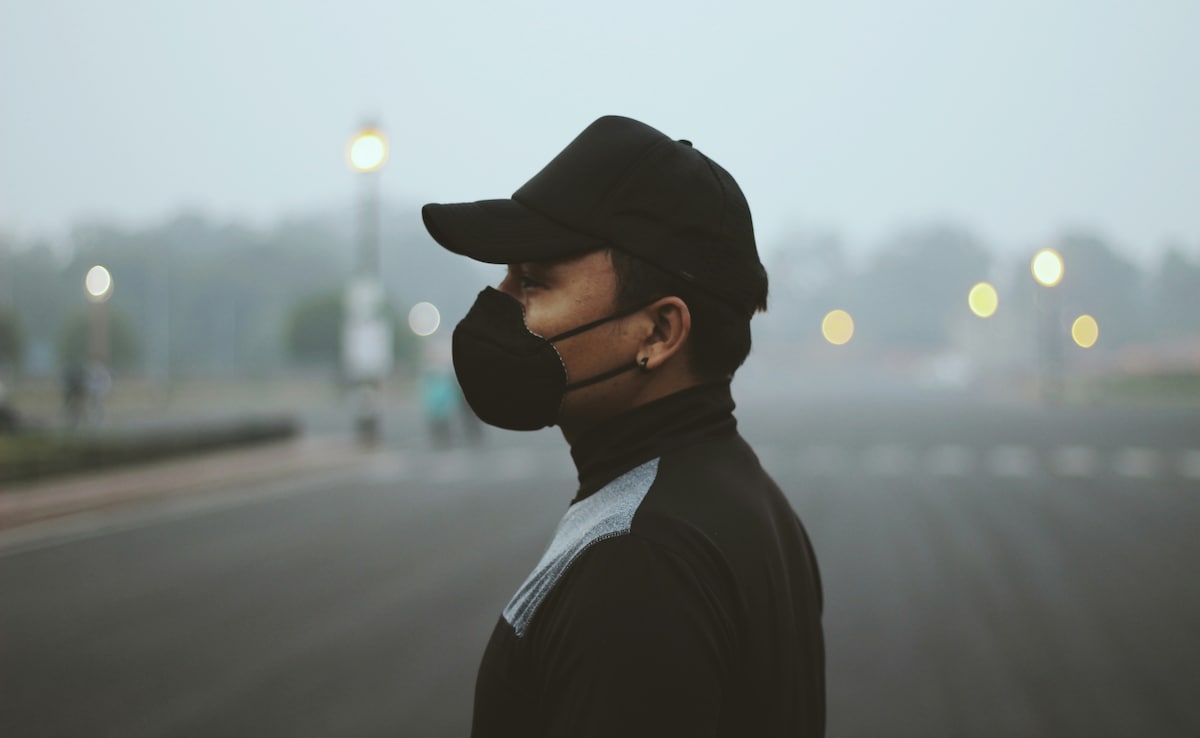
For years, chronic obstructive pulmonary disease (COPD) was seen as a condition that mainly affected older smokers. That picture has changed completely now. In several states across India, COPD is now emerging as a major cause of death, sometimes even surpassing heart disease in reported mortality. The rise is not because the illness has suddenly become more dangerous but because India continues to face a unique mix of environmental exposures, lifestyle patterns and gaps in healthcare access.
Why COPD Is Rising Sharply
The reasons for the sharp rise in COPD cases can be attributed to a broad spectrum of factors from environmental to lifestyle, and even delayed diagnosis.
Smoke from biomass fuels
Large parts of India still rely on biomass fuels such as wood, coal, charcoal and crop residue for daily cooking and heating. Many women cook inside small, poorly ventilated spaces. This creates continuous indoor smoke exposure which acts in the same way as cigarette smoke to harm the lungs. Long term exposure causes persistent airway inflammation, and airway remodelling (structural changes that cause airway walls to thicken) that eventually leads to irreversible airflow limitation. Over time, this results in COPD in people who have never smoked.
Severe outdoor pollution
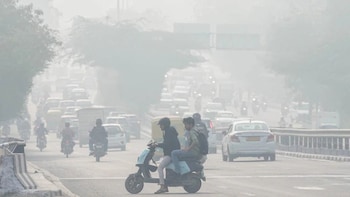
High levels of particulate matter, dust and smog, especially in the northern parts of India, prolonged exposure to traffic emissions, crop burning, industrial smoke and construction dust are some of the most significant causes that trigger COPD. These particles reach deep into the lungs, trigger oxidative stress and cause chronic inflammation that eventually causes COPD.
Tobacco exposure
Tobacco use in both smoked and smokeless forms is widespread in many states. Combined with high levels of passive smoke exposure inside households, this adds significantly to disease burden from both smokers and non-smokers.
The Role of Delayed Diagnosis
Along with environmental challenges, the availability of specialised lung care remains limited in many regions across the country. People in these areas still do not have access to pulmonologists, spirometry testing or good diagnostic facilities.
As a result, COPD is often detected late, only when breathlessness becomes severe. Many cardiac conditions also remain undiagnosed and present suddenly as cardiac deaths. This makes COPD appear more dominant in mortality statistics in certain regions.
- The Winter Surge: November to February is the most dangerous period for COPD patients. Every year, hospitals see a clear rise in acute attacks with exacerbations sometimes spiking by nearly 30 per cent.
- Cold weather: Cold air irritates the airways, increases bronchospasm and makes mucus clearance more difficult. This leads to worsening breathlessness and chest tightness.
- Seasonal viral infections: Respiratory viruses spread more easily in winter. These infections inflame the airways and rapidly worsen COPD symptoms.
- Indoor crowding and pollution: People generally stay indoors with closed doors and windows to cut out the winter chill. If biomass fuels are used, the concentration of indoor smoke rises sharply. Even without smoke, poor ventilation increases the risk of infections.
- Heavy outdoor pollution: Winter inversion traps pollutants close to the ground. Combined with crop burning smoke and industrial emissions, this makes the air extremely toxic for vulnerable individuals.
COPD Is No Longer a Smoker's Disease
Modern clinical evidence shows that COPD now affects many people who have never touched tobacco. The disease is linked to biomass smoke exposure, outdoor particulate pollution, industrial and construction dust, and chemical fumes from workplace industries, among environmental factors. The medical risk factors range from childhood pneumonia, to prematurity birth and low birth weight which result in underdeveloped lungs, post-tuberculosis lung damage, as well as genetic factors such as alpha one antitrypsin deficiency.
In India, post-tuberculosis lung damage alone contributes significantly to COPD cases, making the illness common among younger adults as well.
The Way Forward
There is an urgent need to strengthen air pollution control, improve access to specialised lung care and create wider awareness about early symptoms. Timely diagnosis through spirometry, prompt treatment and avoidance of smoke exposure can slow disease progression dramatically.
Chronic obstructive pulmonary disease may be creeping up silently, but with better prevention, early detection and cleaner air, this burden can be reduced. The biggest shift required is recognising that this is no longer a disease of elderly smokers but a widespread public health problem driven by the air that millions breathe every day.
(By Dr Shachi Dave, Consultant Pulmonologist, Narayana Hospital, Ahmedabad)
Disclaimer: The opinions expressed within this article are the personal opinions of the author. NDTV is not responsible for the accuracy, completeness, suitability, or validity of any information on this article. All information is provided on an as-is basis. The information, facts or opinions appearing in the article do not reflect the views of NDTV and NDTV does not assume any responsibility or liability for the same.
Published: November 21, 2025 12:21 IST
also read
Delhi Air Pollution: Is There A 'Safer' Time To Step Outdoors? Here's What You Should Know
Written by Debosmita GhoshPost-Diwali Smog Got Your Throat Irritated? Nutritionist Shares 4 Soothing Drinks To Try
Written by NDTV Health DeskFrom Black To Pink: Can Your Lungs Recover From The Damage Caused By Air Pollution?
Written by Sambhav Kumar
 Reported by Pallava Bagla | Thursday November 12, 2026 , New Delhi
All are hoping for rain that may wash away the toxic cloud hanging overhead. But the weather office ended that hope today, saying rain is unlikely in the plains. There might be some over the Himalayan region, but none is expected in Delhi, where the pollution has reached severe levels.
- Reported by Ankita Tiwari | Wednesday November 11, 2026 , New Delhi
According to a Centre for Science and Environment (CSE) report, the average PM2.5 concentration during the week before Diwali stood at 236 micrograms per cubic metre, almost double the 120 ug/m3 recorded in 2025. It was also the highest pre-Diwali average in three years.
- Wednesday November 11, 2026 , New Delhi
The transport sector is expected to be the largest contributor to pollution on Wednesday, while the impact of stubble burning is anticipated to increase on Thursday, potentially worsening air quality further over the next few days, according to Indian Institute of Tropical Meteorology models.
- Reported by Himanshu Shekhar Mishra, Edited by Anindita Sanyal | Wednesday November 11, 2026 , New Delhi
Air pollution in Delhi-NCR has worsened during the onset of winter (from October to mid-November) this year. This has been revealed in a new analysis by the Centre for Science and Environment or CSE, an organisation that monitors environmental issues.
- Written by Vishesh Nagar | Wednesday November 11, 2026
All 10 cities in the ranking fall under the 'Hazardous' category, with Bathinda recording the highest AQI, followed by Rewari and Faridkot.

................................ Advertisement ................................
Opinion | Delhi Has Every Pollution Control Policy - Except One That Works
Monday November 09, 2026Every November, Delhi performs the same ritual. We check the AQI before stepping outdoors, children are kept indoors, masks reappear, schools consider shutting, construction is restricted, and emergency meetings are convened. Politicians blame the weather, neighbouring states, farmers, or firecrackers. And then, as the season changes, the urgency d...
दीवाली की चौखट पर दिल्ली में सांसों का संकट: 30 साल की स्टडी ने हरियाली को लेकर क्या बताया?
Thursday November 05, 2026अध्ययन में हरियाली की मात्रा के साथ उसके फैलाव और आपसी जुड़ाव को भी महत्वपूर्ण पाया गया. जिन इलाकों में हरियाली ज्यादा बिखरी हुई थी, वहां सतही तापमान अधिक रहा. इसके विपरीत, बड़े और आपस में जुड़े हरित क्षेत्रों में तापमान कम पाया गया.
Opinion: Why Delhi's Smog Can't Be Fixed From SpaceDavid Fickling, Bloomberg
Monday October 19, 2026The clearest sign that Delhi is on a path to cleaner air would be a decline in the amount of paddy grown nearby, and therefore the acreage liable to be burned each year.
Don't Normalise Air Purifiers As Delhi Chokes | The Reason Why
Thursday December 11, 2025More than 90 cities in the world's top 100 polluting list are in India. With every passing year, the AQI is rising, reaching 'hazardous' levels.
Blog | Well Done, Delhi. You've Turned Lung Sacrifice Into A Badge Of HonourSaikat Kumar Bose
Monday November 10, 2025Till some years back, Delhiites would ask angry questions to those in power about the capitals annual tryst with toxic air. This has changed. Those in the driving seat dont see the need to answer now.



